
Have you ever wondered why your cordless drill sometimes strips screws or barely makes a dent? The secret lies in understanding torque settings.
Getting to know how your drill’s torque works can save you time, protect your materials, and make every project smoother. You’ll discover exactly what torque settings are, why they matter, and how to adjust them for the best results. Keep reading to unlock the full power of your cordless drill and take your DIY skills to the next level.

Credit: www.today.pl
Cordless Drill Basics
Cordless drill torque settings control the power used to turn screws or drill holes. Adjusting the torque helps prevent damage to materials and fasteners. Understanding these settings makes your work easier and more precise.
A cordless drill is a handy tool for many jobs. It uses a battery to work without wires. This makes it easy to move and use anywhere. Many people use cordless drills for drilling holes and driving screws.
Understanding the basics helps you use the drill better. It also helps you avoid damaging materials or the tool. Learning about torque settings is part of this knowledge.
Key Components
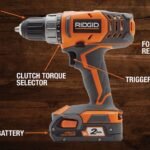
The main parts of a cordless drill include the motor, battery, chuck, and trigger. The motor powers the drill. The battery provides energy to the motor. The chuck holds the drill bit or screwdriver bit. The trigger controls the speed of the drill.
Some drills also have a clutch, which controls the torque. Torque means the twisting force the drill uses. The clutch helps prevent over-tightening screws or breaking bits.
How Torque Works
Torque is the force that turns the drill bit. Higher torque means more power to turn screws or drill into hard materials. Lower torque is good for delicate tasks to avoid damage.
Cordless drills let you adjust torque by changing the clutch setting. This setting controls how much force the drill uses. When the set torque level is reached, the clutch slips to stop more force.
This feature protects your work and the drill. It helps you work more precisely and safely.

Credit: www.youtube.com
Torque Settings Breakdown
Understanding torque settings on a cordless drill helps you work better. Torque controls how much force the drill uses to turn screws or drill holes.
Choosing the right torque setting prevents damage to materials and tools. This section explains low, medium, and high torque uses clearly.
Low Torque Uses
Low torque settings are for delicate tasks. Use them to drive small screws into soft wood or plastic. This setting avoids stripping screws or cracking materials.
It also works well for assembling furniture or light DIY projects. Low torque is gentle but effective for these jobs.
Medium Torque Applications
Medium torque fits most everyday drilling and screwing tasks. It handles harder wood and metal surfaces without much effort.
This setting is good for hanging shelves, installing cabinets, or building decks. It balances power and control well.
High Torque Tasks
High torque delivers maximum force for tough jobs. Use it to drill large holes or drive long screws into dense wood.
This setting works best for construction work and heavy-duty repairs. High torque can strain the drill, so use it carefully.
Choosing The Right Torque
Choosing the right torque setting on a cordless drill is important for good results. Too much torque can damage materials or strip screws. Too little torque might not hold parts together well. Adjusting torque depends on what you are working with and the type of fasteners.
Material Considerations
Different materials need different torque levels. Soft materials like wood or plastic require low torque. High torque can crack or break these materials. Hard materials like metal or hardwood need higher torque. This ensures screws go in tight and stay secure. Always test on a scrap piece first to avoid mistakes.
Screw And Bolt Types
Screws and bolts come in many sizes and types. Small screws need lower torque to avoid stripping the head. Large bolts need higher torque to keep parts from loosening. Using the right torque setting protects the fastener and the material. Check the packaging or manual for recommended torque levels for specific screws and bolts.
Adjusting Torque For Precision
Adjusting torque on a cordless drill helps control the power used to drive screws. This makes your work cleaner and more accurate. Correct torque prevents damage to materials and keeps screws from going too deep. It also helps avoid stripping screw heads or breaking bits.
Setting the right torque is key for precision tasks. It allows you to work on different surfaces without problems. Soft wood, hard wood, or metal each need different torque settings. Learning to adjust torque correctly saves time and effort.
Step-by-step Adjustment
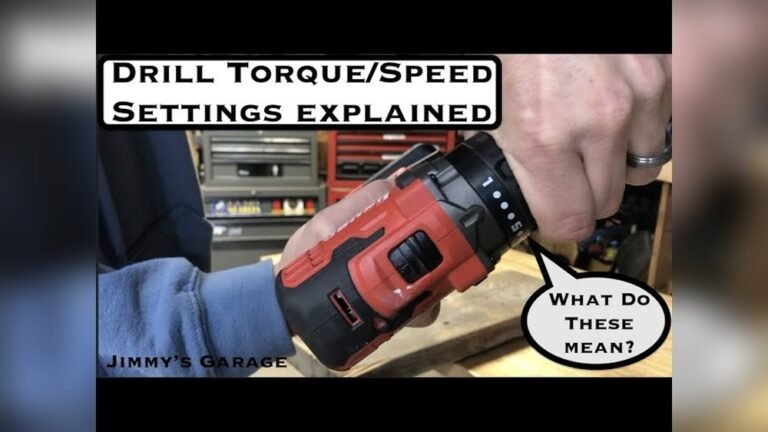
First, check your drill’s torque collar. It is usually a numbered ring near the chuck. Turn the collar to select a lower number for less torque. Higher numbers provide more power for tougher materials. Start low and increase the setting if screws don’t go in easily. Test on a scrap piece to find the best torque level before starting your project.
Avoiding Overdriving
Overdriving happens when screws go too deep or break the surface. It can ruin your project and waste materials. Use a lower torque setting for delicate tasks to stop this. Watch the drill closely as it drives screws. Stop as soon as the screw is flush or slightly below the surface. This careful control prevents damage and keeps your work neat.
Maximizing Power Efficiency
Maximizing power efficiency in cordless drills helps you work longer and better. It ensures the drill uses just enough power for the task. This saves battery life and reduces wear on the tool. Understanding how to manage torque settings plays a big role in this process.
Knowing how torque and power work together lets you get the best results with less effort. It also keeps your drill running smoothly over time. Let’s explore key factors that affect power efficiency in cordless drills.
Battery Impact On Torque
The battery type and charge affect the drill’s torque output. A full battery delivers strong torque for tough jobs. As the battery drains, torque power drops. This can slow down your work or cause the drill to stall.
Using high-quality batteries improves torque consistency. Lithium-ion batteries hold charge longer and provide steady power. Proper battery care, like avoiding deep discharges, keeps torque steady. Always check battery level before starting a project.
Maintaining Drill Performance
Clean and maintain your drill to keep torque and power efficient. Dirt and dust can block vents and slow motor function. Regularly check the drill bit for wear or damage. A sharp bit uses less torque and works faster.
Lubricate moving parts as recommended by the manufacturer. This reduces friction and power loss. Store your drill and batteries in a cool, dry place. Proper care extends battery life and maintains strong torque output.

Credit: www.blackanddecker.com
Common Mistakes To Avoid
Many users make common mistakes with cordless drill torque settings. These errors can damage materials or reduce tool life. Understanding these mistakes helps you use your drill correctly and safely.
Setting Torque Too High
Setting the torque too high can strip screws or damage surfaces. It puts too much force on small screws and soft materials. This causes holes to become too large or screws to break. Always start with a lower torque and increase only if needed.
Ignoring Torque Settings
Ignoring torque settings wastes the drill’s potential and risks damage. Using the drill without adjusting torque can cause uneven screw depth. It may lead to overdriven or loose screws. Check and adjust torque for each task to get the best results.
Advanced Tips For Experts
Experts often need more than basic torque settings on cordless drills. Advanced users can adjust settings to match tough tasks. These tips help improve accuracy and protect materials. Knowing how to customize torque and use accessories extends drill capabilities.
Customizing Torque Settings
Many cordless drills offer adjustable torque rings. Experts can set torque precisely for each job. Lower torque prevents stripping screws in soft wood. Higher torque handles dense materials like metal or hardwood. Some drills allow digital torque control for exact values. Custom settings save time and reduce damage to workpieces. Always test settings on scrap material before starting.
Using Torque With Accessories
Torque settings work differently with drill bits and drivers. Drill bits need higher torque for boring holes. Screwdriver bits require controlled torque to avoid over-tightening. Use torque settings to protect delicate fasteners and surfaces. Accessories like countersink bits also benefit from proper torque control. Experts adjust torque depending on accessory size and task type. This approach ensures clean results and longer tool life.
Frequently Asked Questions
What Does Torque Setting Mean On A Cordless Drill?
Torque setting controls the drill’s rotational force. It prevents overdriving or stripping screws by adjusting the power. Lower settings suit delicate tasks. Higher settings handle tougher materials. Correct torque ensures precision and protects workpieces and drill bits.
How To Choose The Right Torque Setting?
Select torque based on screw size and material hardness. Start with a low setting for soft materials. Increase torque gradually for harder surfaces. Test on scrap material first. Proper torque avoids damage and improves fastening quality.
Can Incorrect Torque Damage My Cordless Drill?
Yes, using too high torque can strain the motor. Too low torque may cause incomplete fastening. Incorrect settings can strip screws or damage materials. Always match torque to the job to extend drill life and maintain performance.
Why Is Torque Important For Cordless Drills?
Torque determines the drill’s effectiveness in driving screws. It ensures screws are tight without damaging surfaces. Proper torque improves accuracy and prevents tool wear. It adapts the drill to various tasks and materials efficiently.
Conclusion
Understanding cordless drill torque settings helps you work smarter. Adjusting torque prevents damage to screws and materials. It also improves control and precision in your projects. Choose the right setting for each task you face. This knowledge saves time and effort while keeping tools safe.
Practice using different settings to gain confidence. Small steps lead to better results every time. Keep these tips in mind for your next drill job. Simple adjustments make a big difference in your work.

Ms.Sultana
Affiliate Marketer | SEO Specialist | Blogger at Elite Global Marketing Agency
Ms.Sultana brings over 16 years of expertise working with global Clients by providing different skills and Services. For the last 5 years working as an Affiliate marketer, specializing in high-ticket campaigns that drive exponential growth. She holds a degree in Computer Science and Engineering as well as achieved many more skills certificates from different institute/academies/Platform. As part of the Elite Global Marketing team, Sultana has helped clients generate millions in revenue through strategic partnerships, innovative funnels, and data-driven insights. She’s passionate about empowering businesses to scale by connecting them with the right affiliate opportunities.
Explore our resources or connect with us on LinkedIn to stay ahead in affiliate marketing.