What Size Drill Bit Should I Use for Wood? Expert Guide
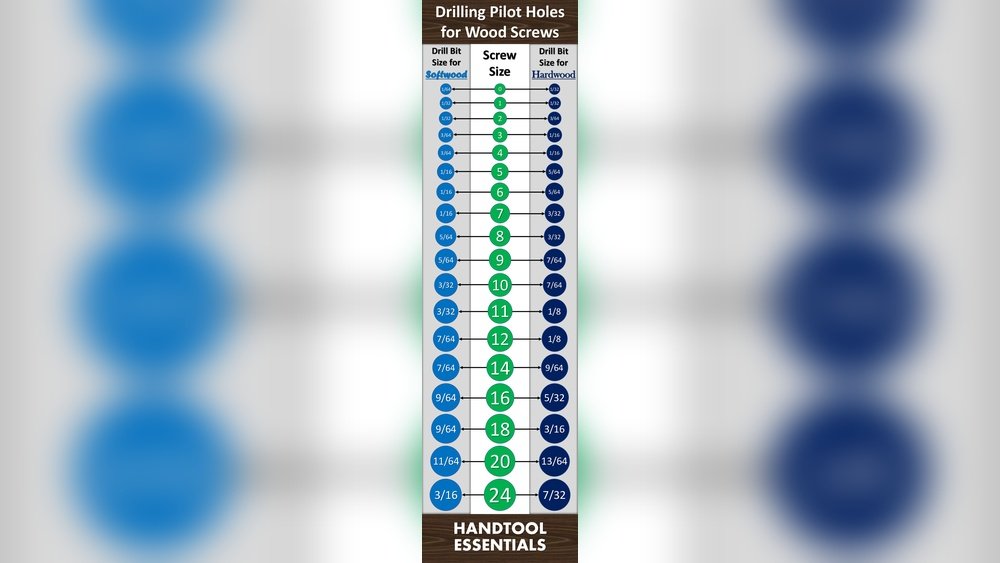
Are you about to start a woodworking project and wondering, “What size drill bit should I use for wood?” Choosing the right drill bit size can make all the difference between a clean, precise hole and a frustrating mess. If you pick a bit that’s too big or too small, your wood might split, your screws won’t hold properly, or your project could look sloppy.
Don’t worry—you’re not alone in this. You’ll discover simple tips to pick the perfect drill bit size every time, so your work looks professional and lasts longer. Ready to get it right? Let’s dive in.

Credit: www.allenstrading.com
Choosing The Right Drill Bit
Choosing the right drill bit is key for working with wood. The correct size helps create clean holes without damaging the material. It affects the strength of screws and the overall finish of your project.
Understanding different drill bits and what size to pick ensures better results. It saves time and prevents mistakes during your woodworking tasks.
Types Of Drill Bits For Wood
Wood drill bits come in many types. Twist bits are common and work for soft and hard wood. Spade bits create larger holes quickly. For precise holes, brad point bits are best. They have sharp tips that keep the bit from slipping.
Hole saws cut big circles in wood. They are good for pipes or cables. Each bit type fits a specific job. Choose the type before picking the size.
Factors Influencing Bit Size
Bit size depends on screw thickness. The hole must be slightly smaller than the screw’s width. This keeps the screw tight in the wood. For dowels or bolts, match the bit size exactly.
Wood type matters too. Hard wood needs a bit slightly larger to reduce cracking. Soft wood can use a bit closer to the screw size. Depth of the hole also changes bit choice.

Credit: vadania.com
Common Drill Bit Sizes For Wood
Choosing the right drill bit size for wood is key for strong, clean holes. Different projects need different sizes. Understanding common drill bit sizes helps you pick the best one for your work. This guide covers the most used sizes and how to read their measurements.
Standard Sizes And Their Uses
Wood drill bits come in many sizes. The most common range from 1/16 inch to 1/2 inch. Smaller bits, like 1/16 to 1/8 inch, are good for pilot holes. Pilot holes prevent wood from splitting. Medium sizes, such as 3/16 to 3/8 inch, work well for screws and bolts. Larger bits, 1/2 inch and above, create holes for pipes or large bolts. Using the right size keeps your wood safe and your project strong.
Metric Vs Imperial Measurements
Drill bits use two main size systems: metric and imperial. Metric sizes are measured in millimeters. Common metric bits for wood range from 1 mm to 13 mm. Imperial sizes use inches, like 1/8 or 1/4 inch. Some drill sets mix both types. Knowing both helps in buying the correct bit. Most wood screws follow imperial sizes in the U.S. Metric sizes are popular worldwide. Always check your project’s requirements before choosing.
Matching Bit Size To Screw Size
Choosing the right drill bit size for screws is essential for strong wood joints. The drill bit must match the screw size to avoid wood splitting or loose screws. Using the correct bit size helps the screw enter smoothly and hold tightly. Understanding the types of holes needed can improve your woodworking results.
Pilot Holes For Screws
Pilot holes are small holes drilled before driving screws. They guide the screw and reduce wood splitting. The pilot hole diameter should be slightly smaller than the screw’s core diameter. This allows the threads to grip the wood firmly. For softwood, use a bit size close to the screw’s inner shaft. For hardwood, use a bit size equal to the screw’s core diameter. Pilot holes make screwing easier and protect the wood.
Clearance Holes And Their Importance
Clearance holes are larger than pilot holes. They allow the screw’s shaft to pass freely through the top wood piece. The hole size should match the screw’s outer thread diameter. This prevents the top wood from splitting or cracking. Clearance holes help tighten the screw firmly against the second piece of wood. They improve joint strength and ensure proper alignment. Drilling clearance holes is crucial in woodworking projects.
Drilling Techniques For Wood
Drilling wood requires the right technique to get clean holes and avoid damage. Using the correct drill bit size is important, but how you drill matters too. Good technique helps protect the wood and improves your work quality. Below are some key tips for drilling wood effectively.
Preventing Wood Splitting
Wood can split when drilling, especially near edges. To stop splitting, use a sharp drill bit that cuts cleanly. Start drilling slowly to control the cut. Place a scrap piece of wood under the workpiece to support it. You can also drill a small pilot hole first to guide the larger bit. Avoid pushing too hard; let the drill do the work.
Drilling Deep Vs Shallow Holes
Shallow holes are easier to drill and less likely to cause problems. For deep holes, remove the drill bit often to clear wood shavings. This keeps the hole clean and prevents the bit from overheating. Use a drill bit with a long flute for better chip removal. Drill straight and steady to avoid crooked holes. Measure depth carefully to avoid drilling too far.
Special Considerations
Choosing the right drill bit size for wood involves more than just matching numbers. Wood types and bit styles affect the result. Special care helps avoid splitting and ensures a clean hole. Understanding these factors improves your woodworking projects.
Softwood Vs Hardwood Drill Bits
Softwood is easier to drill. It needs less sharp and simple bits. Hardwood is dense and tough. It requires sharper, stronger drill bits. Using the wrong bit can cause tearing or burning. Match the drill bit to the wood type for better results.
Using Spade And Forstner Bits
Spade bits have flat blades with sharp points. They work well for rough holes and fast drilling. Forstner bits make smooth, clean holes with flat bottoms. They are perfect for precise woodwork. Choose spade bits for speed and Forstner bits for neatness.

Credit: diy.stackexchange.com
Tips For Maintaining Drill Bits
Drill bits for wood need regular care to stay sharp and work well. Proper maintenance helps bits last longer and drill cleaner holes. Simple steps can keep your bits in top shape for every project.
Sharpening And Care
Dull drill bits cause rough holes and can damage wood. Check your bits often for sharpness. Use a small file or a drill bit sharpener to fix edges. Always clean bits after use to remove wood dust. Avoid overheating bits by drilling slowly. Overheating makes bits lose their hardness.
Storage And Handling
Store drill bits in a dry place to stop rust. Use a bit holder or case to keep bits organized. Keep bits separated to avoid damage or bending. Handle bits carefully and avoid dropping them. Proper storage saves time and money by protecting your tools.
Frequently Asked Questions
What Size Drill Bit For Pilot Holes In Wood?
Use a drill bit 1/64 inch smaller than the screw diameter. This prevents wood splitting and ensures a snug fit for screws.
How To Choose Drill Bit Size For Wood Screws?
Match the drill bit diameter to the screw’s core diameter. This allows screws to grip wood firmly without cracking.
Can I Use A Larger Drill Bit For Wood?
Avoid larger bits as they create loose holes. Use the exact or slightly smaller bit size for strong wood joints.
What Drill Bit Size For Dowel Holes In Wood?
Select a drill bit that matches the dowel diameter exactly. This ensures a tight fit and strong wood connection.
Conclusion
Choosing the right drill bit size makes your woodworking easier and safer. A bit too small can break the wood, and one too big can damage your project. Measure twice, pick the size that fits your screw or bolt perfectly.
Practice on scrap wood before drilling your main piece. This helps you avoid mistakes and saves time. Keep your tools sharp and clean for the best results. Drill with care, and your woodwork will look neat and strong every time.
Simple steps, great results.

Michael Harris is an experienced woodworker and power tool expert with over 12 years in woodworking. Specializing in functional, high-quality furniture, he offers expert advice on tool selection, maintenance, and sharpening for both beginners and professionals.