How to Use a Cordless Drill Properly: Essential Tips for Beginners
Are you ready to make your DIY projects easier and faster? Knowing how to use a cordless drill properly can save you time, effort, and even frustration.
Whether you’re a beginner or just want to improve your skills, this guide will help you master your drill safely and effectively. Keep reading, and you’ll discover simple tips that turn your cordless drill into a powerful tool you can trust every time.
Your next project will thank you!

Credit: www.youtube.com
Choosing The Right Drill
Choosing the right cordless drill is important for any project. It makes your work easier and faster. Picking the correct drill helps you get better results and avoid damage. Consider the type, battery, and features to find the best drill for your needs.
Types Of Cordless Drills
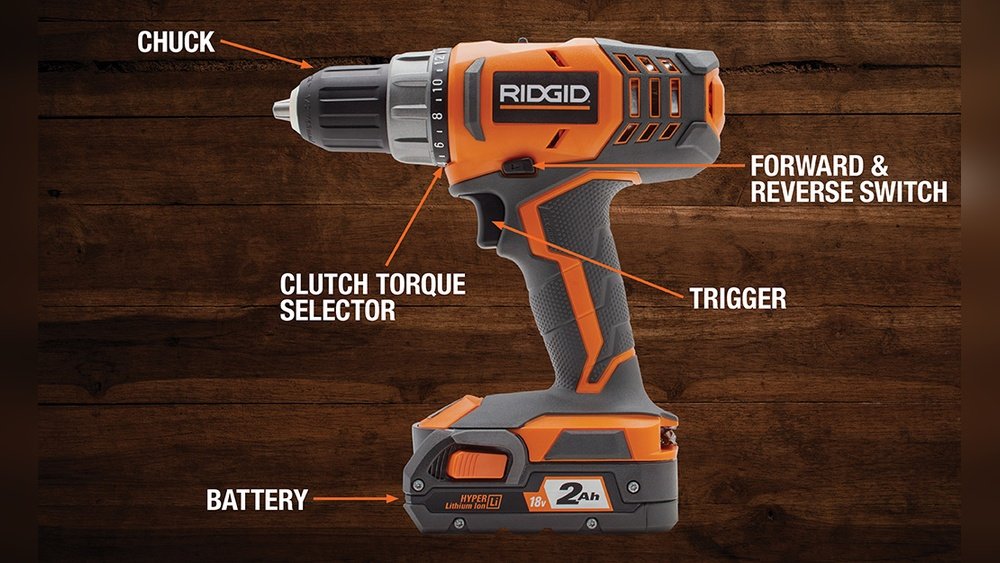
Cordless drills come in many types. The most common is the drill driver. It drills holes and drives screws. Hammer drills add a hammering action. They work well on concrete and brick. Impact drivers give more torque. They are great for tough screws and bolts. Choose a type based on your tasks.
Battery Options And Life
Batteries power cordless drills. Lithium-ion batteries are popular. They last longer and charge faster. Some drills use nickel-cadmium batteries, but they are less common now. Check the battery voltage. Higher voltage means more power. Also, consider battery life. Longer life means less charging time. Extra batteries help for long jobs.
Key Features To Look For
Look for adjustable speed settings. They give control for different tasks. A comfortable grip reduces hand fatigue. A built-in LED light helps in dark places. Check the drill’s weight. Lighter drills are easier to handle. A good chuck size fits many drill bits. These features make your work smooth and safe.
Credit: www.homedepot.com
Safety Precautions
Using a cordless drill safely is very important. It protects you from injuries and keeps your work smooth. Follow simple safety steps before and during drilling. These steps help you avoid accidents and damage.
Protective Gear
Always wear safety glasses to protect your eyes from dust and debris. Use ear protection if the drill sounds loud. Gloves help protect your hands but make sure they fit well. Wear sturdy shoes to protect your feet from falling objects.
Safe Handling Practices
Hold the drill firmly with both hands. Keep your fingers away from the drill bit. Do not force the drill; let it work at its own speed. Turn off the drill before changing bits or setting it down. Keep the battery charged but avoid overcharging.
Work Area Preparation
Clear the area of clutter and obstacles. Make sure the workspace has good lighting. Secure the material you are drilling to prevent movement. Check for hidden wires or pipes before drilling into walls. Keep children and pets away from the work zone.
Basic Drill Operation
Using a cordless drill starts with understanding its basic operation. Knowing how to handle the drill properly makes your work easier and safer. This section explains the key steps for operating your drill well.
Inserting And Removing Drill Bits
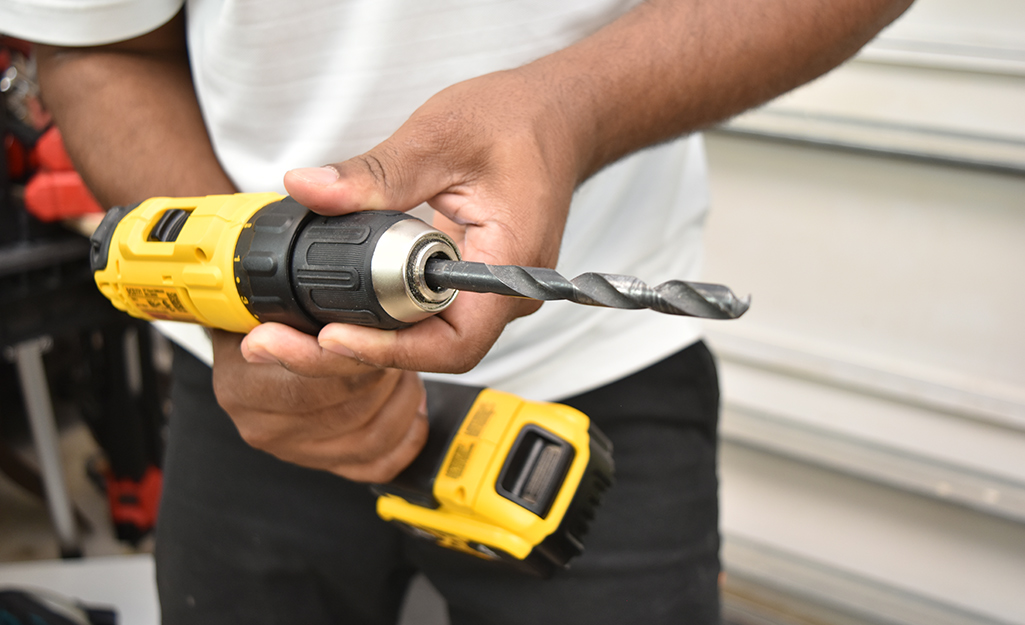
First, unlock the chuck by turning it counterclockwise. Insert the drill bit straight into the chuck. Tighten the chuck by turning it clockwise until the bit is secure. To remove the bit, turn the chuck counterclockwise again. Always make sure the drill is off before changing bits.
Adjusting Speed And Torque
Most cordless drills have speed settings for different jobs. Use low speed for drilling into hard materials. High speed works better for soft materials and fast drilling. Torque controls how much force the drill uses. Set low torque for small screws. Use higher torque for bigger screws or tough materials.
Using The Clutch Effectively
The clutch stops the drill from turning when the torque limit is reached. This prevents overdriving screws or damaging materials. Adjust the clutch to match the task. Use a low setting for delicate jobs. Higher settings suit heavy-duty drilling or screwing. Practice with different settings to feel how the clutch works.

Credit: www.youtube.com
Drilling Techniques
Drilling techniques change based on the material you work with. Each surface needs a different approach to get clean, safe holes. Using the right drill bit and speed helps protect your drill and your project. Below are tips for drilling into wood, metal, and masonry.
Drilling Into Wood
Choose a wood drill bit with a sharp point. It helps guide the bit straight and avoids splintering. Start drilling at a slow speed to keep control. Increase speed as the bit enters the wood. Keep the drill steady and straight. Use gentle pressure. Let the drill do the work, not your force. Remove the bit slowly to avoid rough edges.
Drilling Into Metal
Select a high-speed steel bit or cobalt bit for metal. Mark the drilling spot with a center punch to stop slipping. Use a slow drill speed to avoid overheating. Apply cutting oil on the bit to cool and lubricate. Keep steady pressure and pause to clear metal shavings. Clean the hole with a deburring tool after drilling for safety.
Drilling Into Masonry
Use a masonry bit with a carbide tip for concrete or brick. Set your drill to hammer mode if available. Start drilling at low speed to create a guide hole. Increase speed and pressure gradually. Keep the drill straight for an even hole. Pull the bit out occasionally to remove dust. Wear safety glasses to protect from debris.
Maintenance Tips
Proper maintenance keeps your cordless drill working well for years. Small care steps prevent big problems later. Follow these tips to protect your tool and improve its performance.
Battery Care
Charge the battery before it drains completely. Avoid overcharging to protect battery life. Store batteries in a cool, dry place. Remove the battery from the drill if not used for a long time. Use the charger that comes with your drill only.
Cleaning And Storage
Wipe your drill clean after each use. Remove dust and debris from vents and moving parts. Use a dry cloth or soft brush for cleaning. Store the drill in a dry case or toolbox. Avoid damp or dusty places to prevent damage.
Troubleshooting Common Issues
If the drill won’t start, check the battery connection first. Make sure the battery is charged and properly inserted. If the drill slows down, clean the vents and check the motor. Tighten loose parts to avoid vibration. Replace worn drill bits for better results.
Advanced Tips For Efficiency
Using a cordless drill can be simple, but improving your skills boosts your work speed and quality. Advanced tips help you use the drill more efficiently. These tips focus on using attachments, working with various materials, and saving battery power.
Using Drill Attachments
Drill attachments expand what your drill can do. Use screwdriver bits for screws. Use hole saws for larger holes. Change bits often for the best fit. Keep bits sharp and clean. This saves time and effort. Attachments must fit your drill chuck tightly. Loose bits cause damage or accidents.
Working With Different Materials
Different materials need different drill settings. Wood drills faster with less pressure. Metal requires slower speed and steady pressure. Plastic needs low speed to avoid cracks. Test on a scrap piece first. Adjust speed and pressure based on results. Use the right drill bit type for each material.
Optimizing Battery Usage
Battery life affects how long you can work. Use the drill at moderate speed to save power. Turn off the drill when not in use. Charge batteries fully before starting a big job. Keep batteries in a cool, dry place. Carry a spare battery for long tasks. Avoid letting the battery fully drain often.
Frequently Asked Questions
How Do I Choose The Right Drill Bit For A Cordless Drill?
Select a drill bit based on the material you’re drilling. Use wood bits for wood, masonry bits for concrete, and metal bits for metal. Ensure the bit size matches your screw or hole requirements for best results.
What Safety Tips Should I Follow When Using A Cordless Drill?
Always wear safety goggles and gloves when drilling. Keep hair and loose clothing away from the drill. Work in a well-lit area and avoid distractions to prevent accidents.
How Can I Extend My Cordless Drill’s Battery Life?
Charge the battery fully before use and avoid overcharging. Store batteries in a cool, dry place. Use the drill intermittently to prevent overheating and prolong battery health.
What Is The Correct Drilling Speed For Different Materials?
Use low speed for hard materials like metal and high speed for soft materials like wood. Adjust the speed gradually based on drilling resistance for cleaner holes.
Conclusion
Using a cordless drill safely helps you finish projects faster. Keep the battery charged and bits tight for best results. Hold the drill firmly and apply steady pressure. Choose the right drill bit for each task. Practice on scrap wood to build confidence.
Always wear safety glasses to protect your eyes. Clean and store the drill properly after use. Small steps lead to big improvements. Enjoy your work and stay safe every time.

Ms.Sultana
Affiliate Marketer | SEO Specialist | Blogger at Elite Global Marketing Agency
Ms.Sultana brings over 16 years of expertise working with global Clients by providing different skills and Services. For the last 5 years working as an Affiliate marketer, specializing in high-ticket campaigns that drive exponential growth. She holds a degree in Computer Science and Engineering as well as achieved many more skills certificates from different institute/academies/Platform. As part of the Elite Global Marketing team, Sultana has helped clients generate millions in revenue through strategic partnerships, innovative funnels, and data-driven insights. She’s passionate about empowering businesses to scale by connecting them with the right affiliate opportunities.
Explore our resources or connect with us on LinkedIn to stay ahead in affiliate marketing.