How to Maintain Your Cordless Drill Battery: Ultimate Care Tips
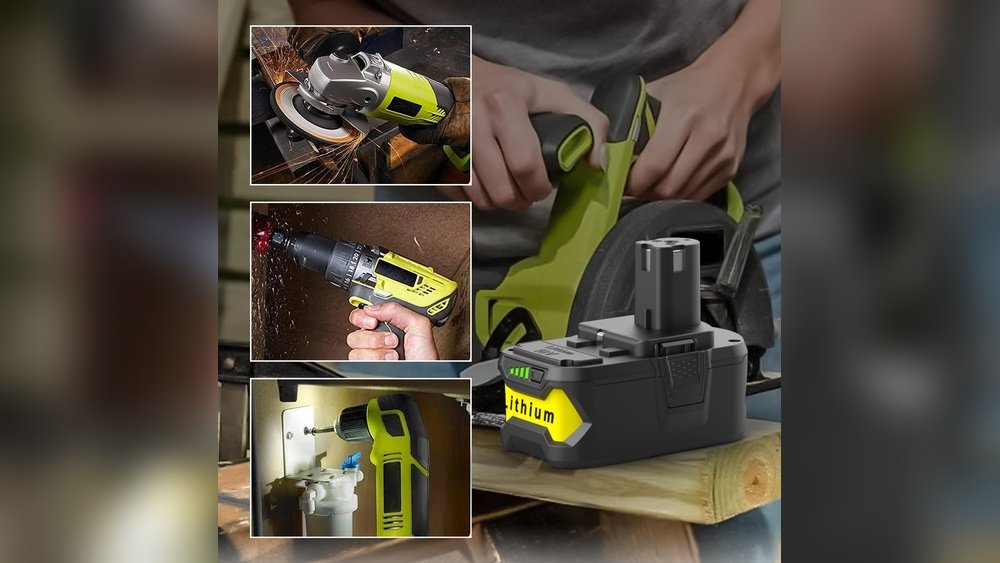
Your cordless drill is one of the most useful tools in your toolbox, but its power depends entirely on your battery. If your battery drains quickly or won’t hold a charge, your work slows down—and frustration builds.
What if you could keep your drill battery healthy and ready, so it performs at its best every time you pick it up? You’ll discover simple, practical tips to extend your battery’s life and avoid common mistakes that wear it out fast.
Keep reading to unlock the secrets that’ll save you time, money, and hassle on every project.
Choosing The Right Battery
Choosing the right battery for your cordless drill is very important. The battery affects how long your drill works and how powerful it is. Picking a good battery helps you get the best results and keeps your drill ready for use. Learn about different battery types, their power, and how to match them with your drill.
Types Of Cordless Drill Batteries
There are three main types of batteries used in cordless drills. Nickel-Cadmium (NiCd) batteries are older and heavier. They hold less charge but are cheaper. Nickel-Metal Hydride (NiMH) batteries have more capacity. They last longer than NiCd but can lose charge quickly if not used. Lithium-Ion (Li-Ion) batteries are the newest. They are light, hold a lot of power, and recharge fast. Most new drills use Li-Ion batteries for better performance.
Battery Capacity And Voltage
Battery capacity shows how long the battery lasts. It is measured in ampere-hours (Ah). Higher Ah means longer use before recharging. Voltage tells how much power the battery can deliver. A higher voltage means more power for tough jobs. Choose a battery with the right balance of capacity and voltage for your work needs.
Compatibility With Your Drill
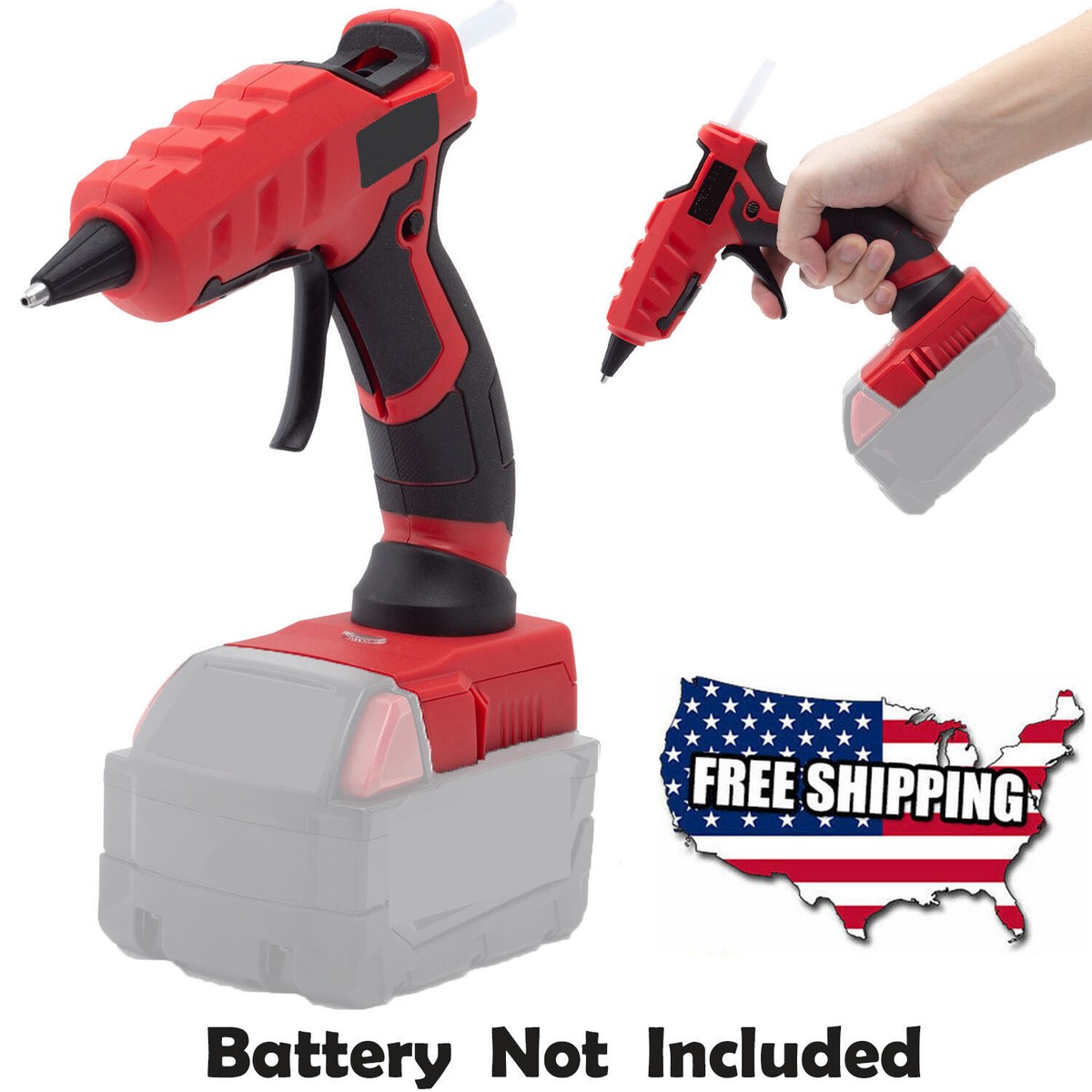
Not all batteries fit every drill. Check your drill’s brand and model before buying a battery. Using a battery made for your drill ensures safety and good performance. Third-party batteries may be cheaper but can cause damage or fit poorly. Always choose batteries designed for your specific drill model.
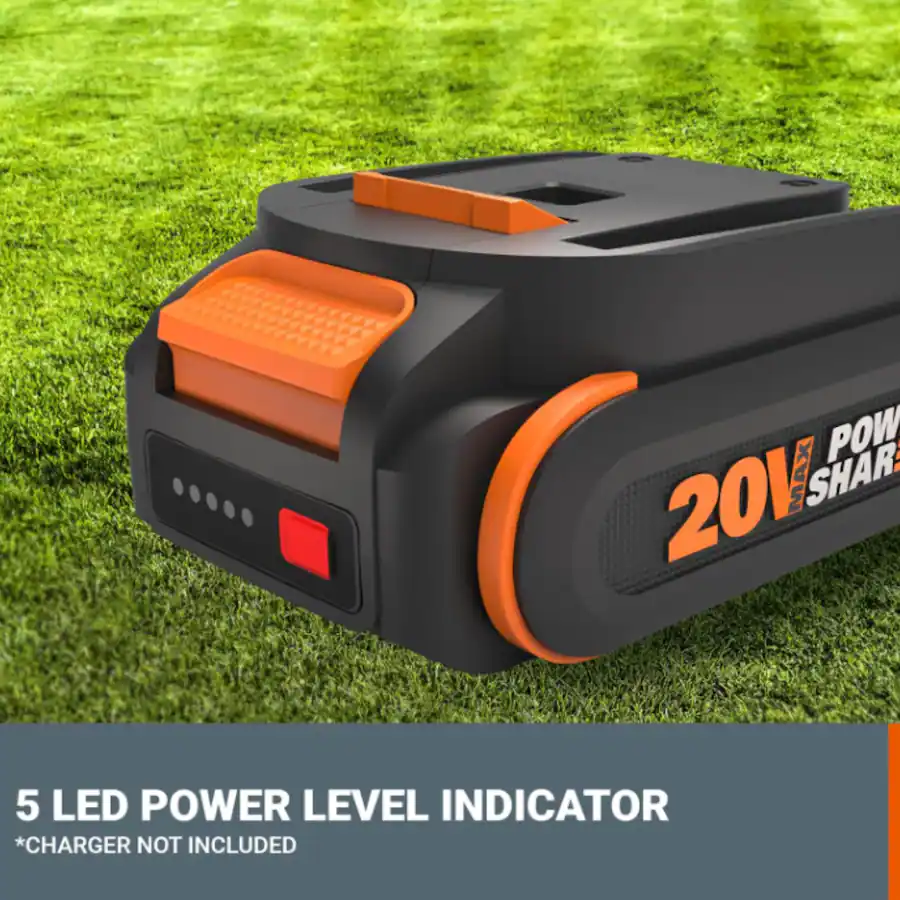
Credit: needlingguide.com
Charging Best Practices
Proper charging helps your cordless drill battery last longer. It keeps the battery healthy and ready to work. Follow simple charging rules for better battery care.
Using The Correct Charger
Always use the charger made for your drill’s battery. Different batteries need different chargers. Using the wrong charger can damage the battery or cause poor performance.
Check the charger’s voltage and current match your battery. This prevents harm and keeps charging efficient.
Optimal Charging Times
Charge the battery when it is partly empty, not fully dead. Charging too early or too late can shorten battery life.
Most batteries charge best between 30% and 80% capacity. Avoid letting the battery go below 20% before charging.
Follow the manufacturer’s instructions for charging time. Overcharging or quick charges can affect battery health.
Avoiding Overcharging
Do not leave the battery on the charger too long. Overcharging causes heat and damages the battery cells.
Many modern chargers stop charging when full. Still, unplug the battery soon after it reaches 100%.
Store the battery separately if you do not use it for days. This avoids accidental overcharging and keeps the battery safe.
Proper Storage Techniques
Proper storage techniques help keep your cordless drill battery healthy. Good storage prevents damage and extends battery life. Knowing how to store the battery correctly saves money and avoids frustration. Follow these simple tips to protect your battery during storage periods.
Temperature Considerations
Store batteries in a cool, dry place. Avoid areas with extreme heat or cold. High temperatures can cause the battery to degrade faster. Cold temperatures may reduce battery performance temporarily. Room temperature, around 20°C (68°F), is ideal for battery storage.
Storing Partially Charged Batteries
Do not store batteries fully charged or completely empty. Keep them at about 40% to 60% charge before storage. Partial charge helps maintain battery health. Charge the battery to this level before putting it away. Check charge level every few months and recharge if needed.
Long-term Storage Tips
Remove the battery from the drill before storing it long-term. Place the battery in a clean, dry container or case. Avoid storing batteries in direct sunlight or damp places. Check the battery charge every three to six months. Recharge to 40% if the level drops too low.

Credit: www.amazon.com
Regular Maintenance Tips
Maintaining your cordless drill battery regularly helps it last longer. Simple care steps keep the battery in good shape. This saves money and avoids frustration from a dead battery. Focus on cleaning, inspecting, and balancing for best results.
Cleaning Battery Contacts
Dirty battery contacts block power flow. Use a dry cloth or soft brush to clean them. Avoid water or harsh cleaners. Clean contacts ensure strong connection between battery and drill. Check contacts often for dirt and dust.
Inspecting For Damage
Look closely at the battery case for cracks or leaks. Damaged batteries can be unsafe. Replace any battery showing signs of wear or swelling. Inspect wires and connectors for breaks. Safe batteries perform better and last longer.
Balancing Battery Cells
Battery cells can lose balance over time. Uneven cells reduce battery life and power. Use a charger with a balancing feature if possible. This keeps cells charged evenly. Balanced cells improve battery performance and durability.
Extending Battery Life
Extending the life of your cordless drill battery saves money and keeps your tool ready. Proper care helps the battery hold charge longer and perform better. Small habits make a big difference in battery health. Follow these tips to keep your battery working well for years.
Avoiding Deep Discharges
Never let your battery drain completely before charging. Deep discharges can damage battery cells. Charge the battery when it reaches about 20% power. This practice keeps the battery strong and extends its lifespan. Avoid storing batteries fully drained, as this can cause permanent loss of capacity.
Using Battery Saver Modes
Many cordless drills have battery saver modes to reduce power use. These modes help prevent overuse and overheating. Use these settings during light tasks or when drilling into soft materials. Battery saver modes reduce stress on the battery and improve its longevity. Check your drill’s manual to learn how to activate this feature.
Rotating Multiple Batteries
Owning more than one battery helps manage power better. Rotate your batteries so each one gets used and charged evenly. This practice prevents overuse of a single battery and allows others to rest. Resting batteries cool down and regain strength. Rotating batteries ensures you always have a charged one ready for work.
Credit: www.ebay.com
Troubleshooting Common Issues
Maintaining your cordless drill battery is key to keeping your tool ready and strong. Sometimes, common problems can stop the battery from working well. Knowing how to spot and fix these issues saves time and money.
Watch for signs like quick power loss, heat during use, or slow charging. These hints help you find the problem early. Let’s explore how to handle these common battery troubles.
Battery Not Holding Charge
A battery that loses charge fast may need attention. Check if the battery is old or has been unused for long. Old batteries lose capacity and need replacing.
Clean battery contacts with a soft cloth. Dirt or rust can stop the battery from charging well. Store the battery in a cool, dry place to keep it healthy.
Overheating Problems
Heat can damage the battery and reduce its life. If the battery feels hot during use, stop and let it cool. Avoid charging in hot areas or direct sunlight.
Overheating may mean the charger or battery is faulty. Use only the charger that came with the drill. If heat persists, have the battery checked or replaced.
Slow Charging Symptoms
Slow charging wastes time and lowers battery readiness. Check the charger and power source for proper function. Dirt on battery contacts can also cause slow charging.
Try charging another battery with the same charger. If it charges fast, the battery may be the problem. Replace batteries that take too long to charge.
Frequently Asked Questions
How Often Should I Charge My Cordless Drill Battery?
Charge your cordless drill battery after every use or when it drops below 20%. Avoid letting it fully drain to extend battery life.
Can I Overcharge My Cordless Drill Battery?
Modern batteries have protection circuits, but avoid leaving them on the charger for days. Overcharging can reduce battery capacity over time.
What Is The Best Way To Store Drill Batteries?
Store batteries in a cool, dry place away from direct sunlight. Keep them partially charged, around 40-60%, for optimal storage.
How Can I Improve My Cordless Drill Battery Lifespan?
Avoid extreme temperatures, fully discharge cycles, and overcharging. Regularly clean battery contacts and store batteries correctly to maintain performance.
Conclusion
Taking care of your cordless drill battery extends its life and saves money. Charge it fully but avoid overcharging. Store the battery in a cool, dry place to keep it healthy. Clean the contacts to maintain good power flow. Regular use keeps the battery active and strong.
Small steps prevent big problems later. Follow these tips to keep your drill ready for any job. Simple habits make a big difference over time. Your battery will last longer and perform better. Keep it charged, clean, and stored properly.
Easy to do, and worth the effort.

Michael Harris is an experienced woodworker and power tool expert with over 12 years in woodworking. Specializing in functional, high-quality furniture, he offers expert advice on tool selection, maintenance, and sharpening for both beginners and professionals.