Choosing between a cordless impact driver and a corded one can be tricky. Both have their strengths and weaknesses. If you want freedom to move without worrying about cords, cordless tools are great. They offer convenience and portability. On the other hand, corded impact drivers often provide consistent power without the need to recharge. It really depends on what you need for your projects. Understanding the differences can help you pick the right tool for your work. So, cordless impact driver vs corded: which is better? Let’s break down the key points to consider before making your choice.
Cordless Impact Driver vs Corded: Quick Answer
A cordless impact driver is better for most DIYers, installers, woodworkers, and mobile users because it offers portability, compact handling, and freedom from outlets. A corded impact driver or corded impact wrench is better for long, repetitive, high-torque work where constant power matters more than movement flexibility.
In simple terms:
- Choose cordless if you move around often.
- Choose corded if you work near outlets and need continuous power.
- Choose cordless brushless if you want the best mix of power, runtime, and convenience.
- Choose corded high-torque tools for heavy workshop or automotive jobs.
For most modern users, the cordless option wins because battery technology has improved a lot. However, corded tools still make sense for users who hate battery downtime, work in one fixed area, or need steady output for longer tasks.
What Is a Cordless Impact Driver?
A cordless impact driver is a battery-powered fastening tool designed to drive screws, bolts, and long fasteners with high rotational force. It is usually compact, easy to carry, and useful in tight spaces where cords would slow you down or create workspace problems.
Cordless impact drivers are popular for:
- Furniture assembly
- Deck building
- Cabinet installation
- Woodworking
- Framing tasks
- Light automotive work
- Outdoor repairs
- Job-site fastening
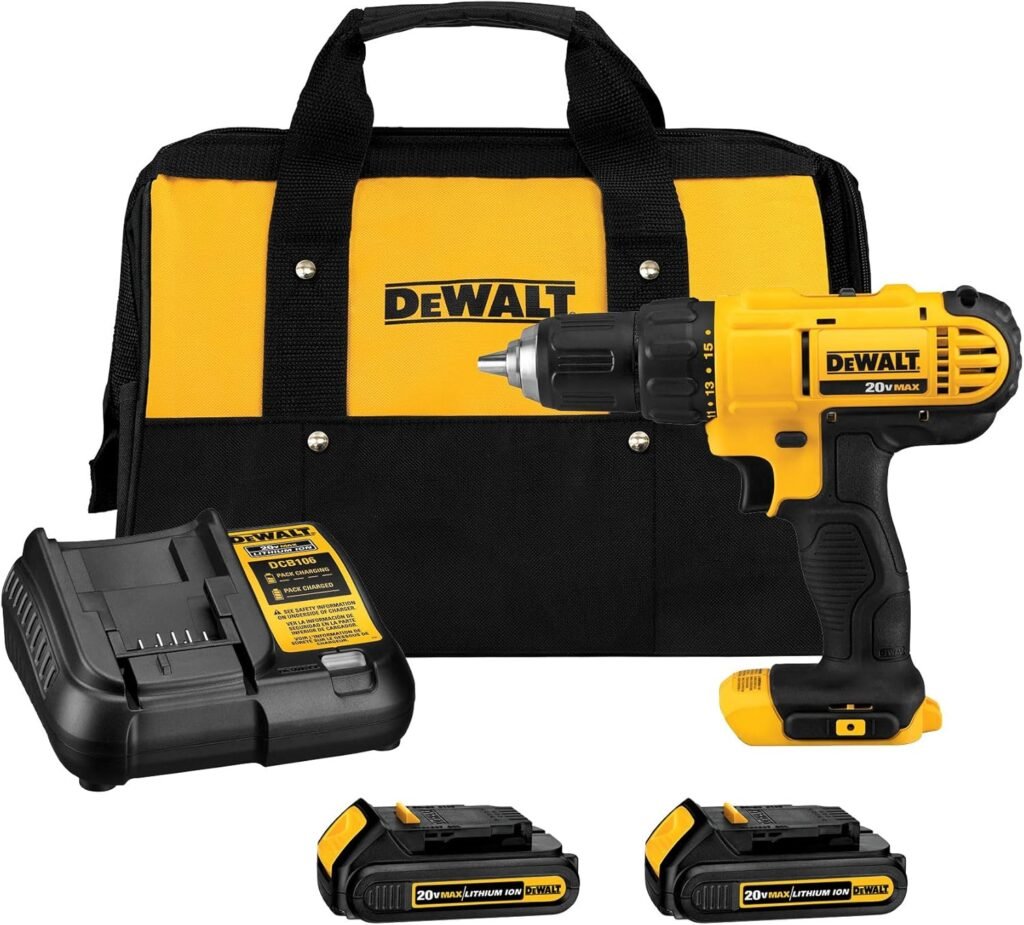
The biggest benefit is movement. You can take the tool anywhere without searching for a nearby outlet. This makes cordless models especially useful for contractors, DIYers, and homeowners who work in different rooms, garages, yards, or job sites.
Many cordless models also include:
- Brushless motors
- LED lights
- Variable speed triggers
- Compact body design
- Quick-change hex chucks
- Multiple torque or speed settings
A cordless impact driver is not the same as a drill. A drill is better for making holes and doing delicate fastening work. An impact driver is better for driving screws and bolts with more force.
What Is a Corded Impact Driver?
A corded impact driver is a plug-in fastening tool that runs directly from an electrical outlet. It provides continuous power without battery charging, making it useful for long work sessions, fixed workstations, and situations where runtime matters more than portability.
Corded impact drivers are less common than cordless models in many modern tool categories, but corded impact wrenches are still widely used for high-torque applications. That matters because many users compare cordless impact drivers with corded high-torque tools when choosing between mobility and steady power.
Corded tools are useful when:
- You work mostly in a garage or workshop
- You do long fastening sessions
- You do not want to manage batteries
- You need consistent torque output
- You have reliable power access
- Tool weight is less important than power delivery
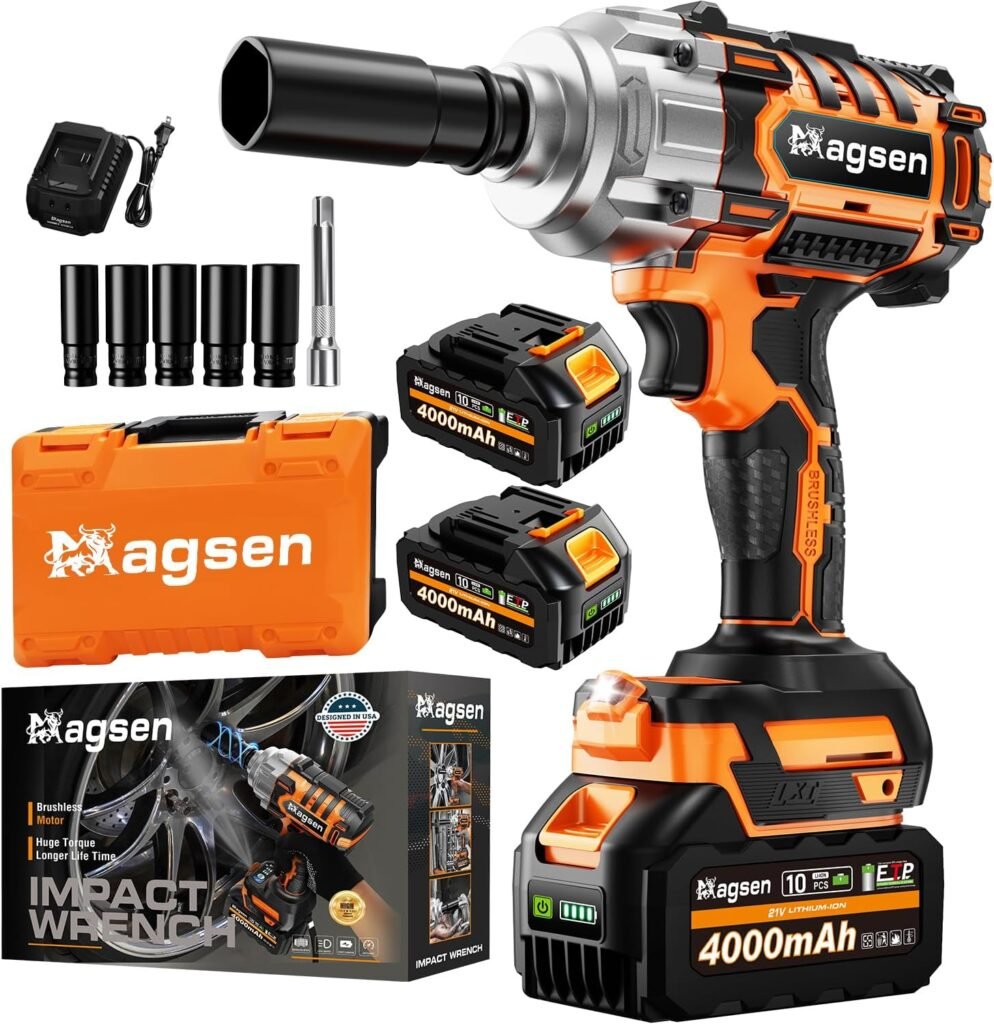
The trade-off is simple: corded tools provide steady power, but the cord limits movement. You may also need extension cords, outlet access, and better cord management.
Cordless Impact Driver vs Corded: Main Differences
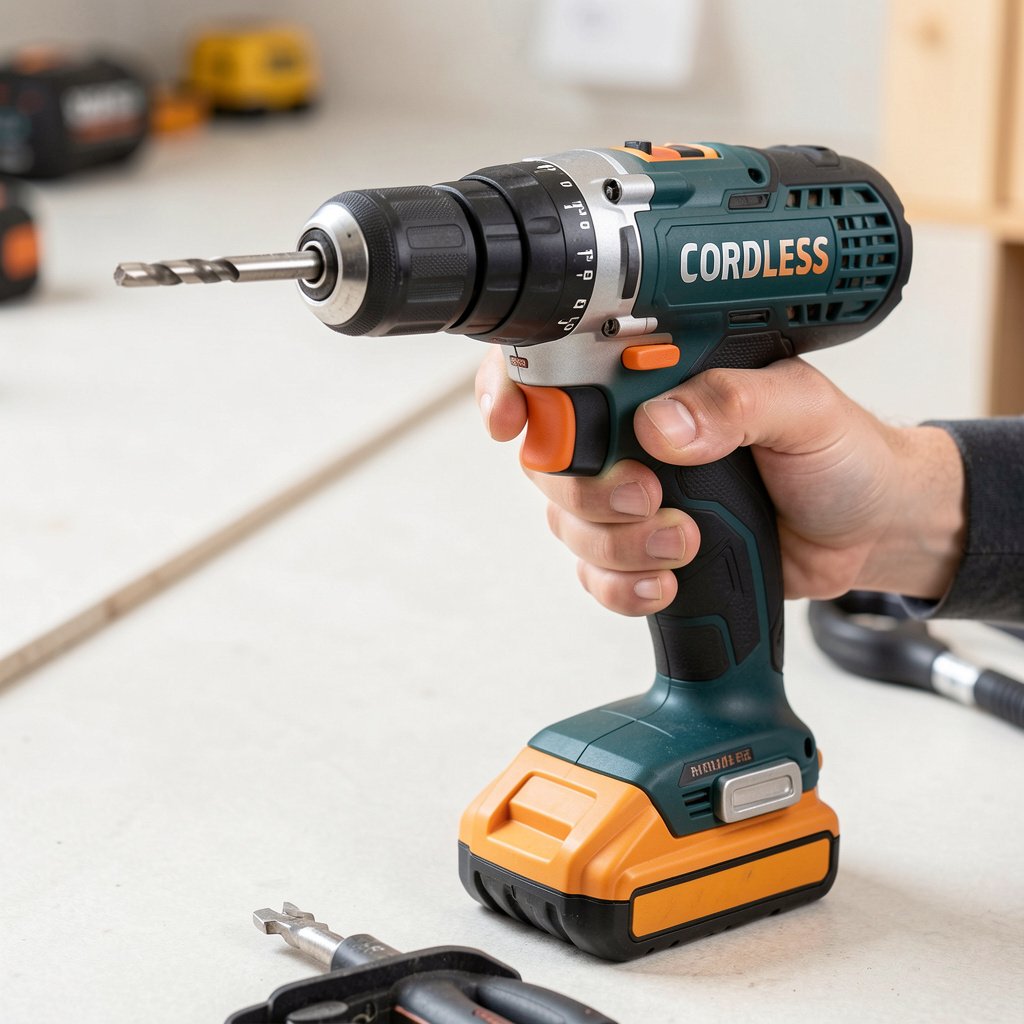
The main difference between a cordless impact driver and a corded model is power source. Cordless impact drivers use rechargeable batteries for mobility, while corded tools plug into outlets for continuous power. The better choice depends on where you work, how long you work, and how much torque you need.
| Feature | Cordless Impact Driver | Corded Impact Driver / Corded Alternative |
| Power Source | Rechargeable battery | Electrical outlet |
| Portability | Excellent | Limited by cord |
| Runtime | Depends on battery | Continuous |
| Power Consistency | Strong, but battery-dependent | Very steady |
| Best For | DIY, job sites, outdoor work | Workshops, garages, long sessions |
| Setup Time | Fast and flexible | Needs outlet/cord setup |
| Maintenance | Battery care required | Cord inspection required |
| Common Limitation | Battery downtime | Restricted movement |
Key Takeaway
Cordless impact drivers are better for convenience. Corded tools are better for uninterrupted power. Neither is automatically better for everyone, because the right choice depends on your actual working style.
When a Cordless Impact Driver Is Better
A cordless impact driver is better when you need portability, quick setup, and easy movement between work areas. It is the smarter choice for most homeowners, DIYers, installers, and contractors who work in different locations or need a compact fastening tool for tight spaces.
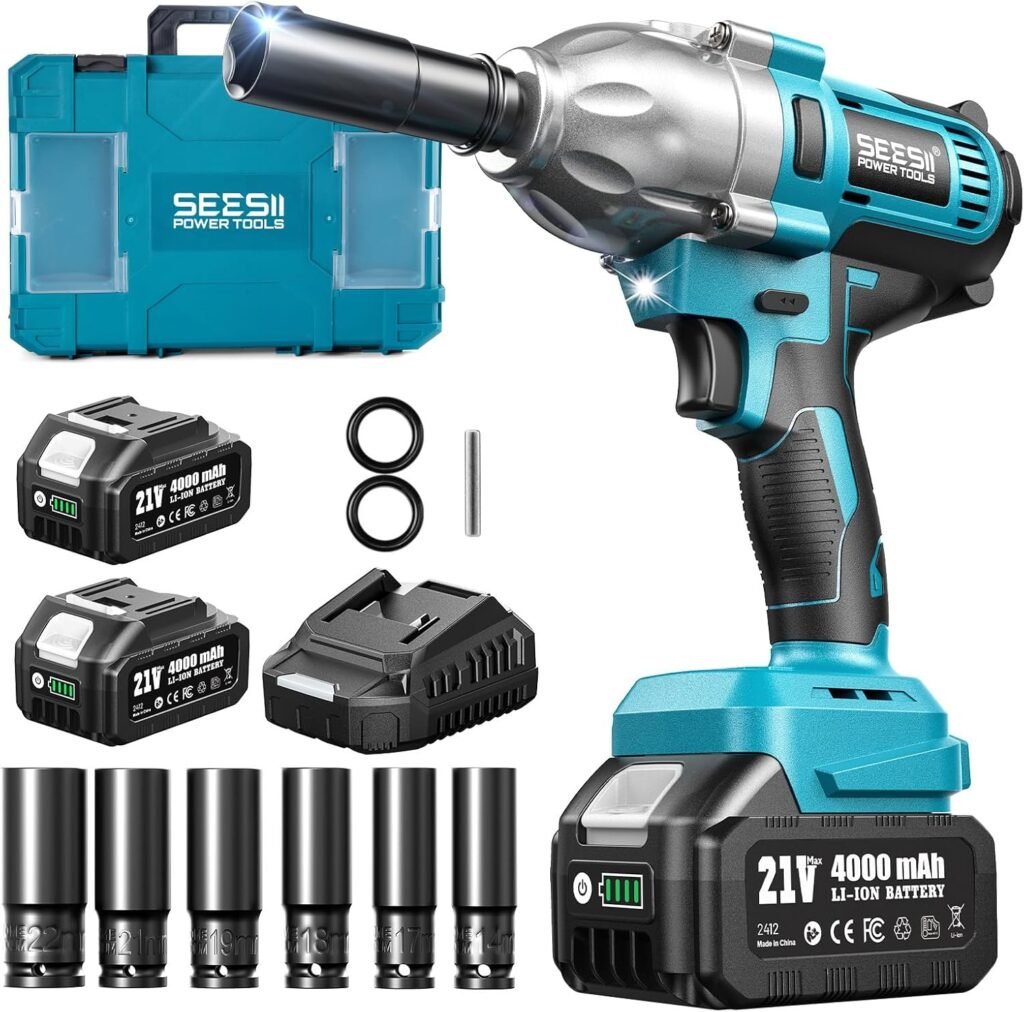
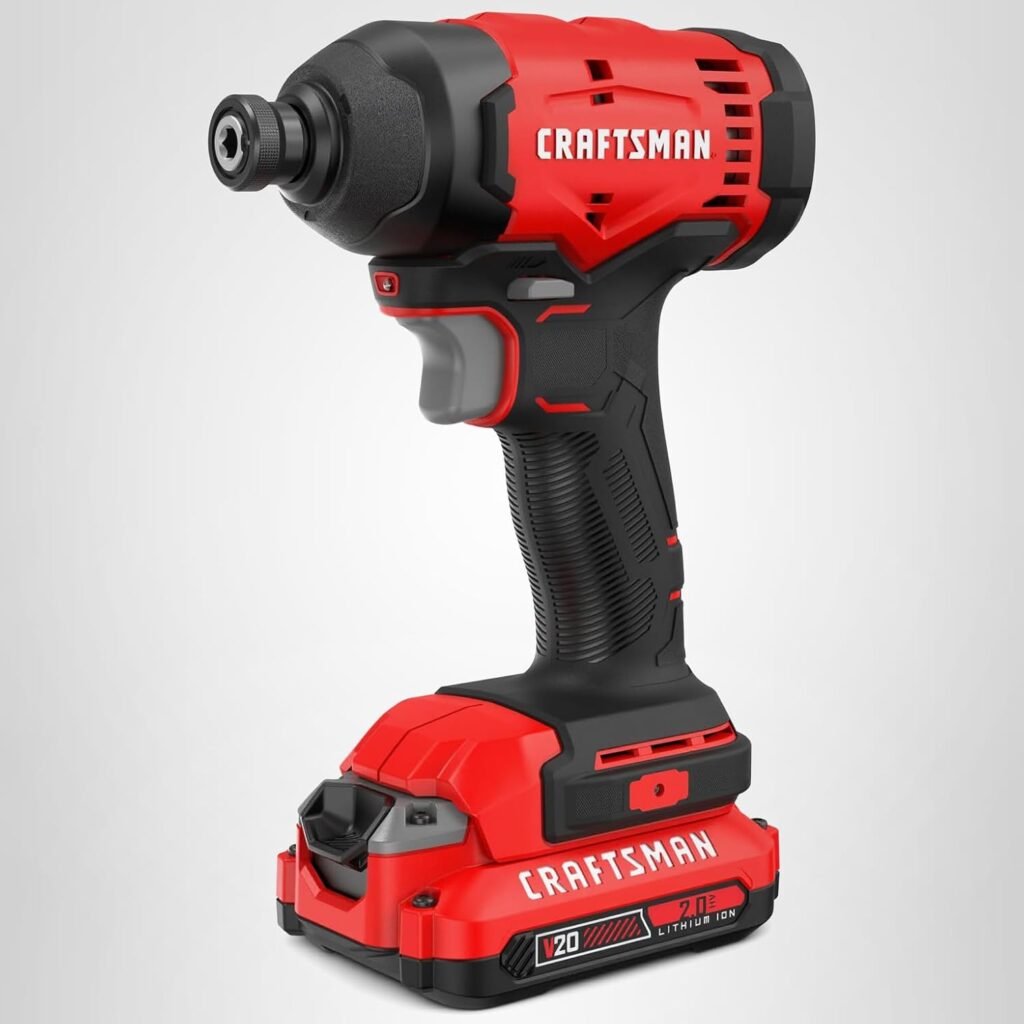
Choose a cordless impact driver if you:
- Work outdoors
- Move around job sites
- Install cabinets, shelves, or decks
- Need a compact tool for tight spaces
- Want fewer cord hazards
- Already own compatible batteries
- Do quick repairs around the home
- Prefer modern brushless tool performance
Cordless impact drivers are also more convenient for overhead work. Since there is no cord pulling behind the tool, you can move more freely and focus on fastener control.
Main Benefits of Cordless Impact Drivers
- Better mobility
- Faster setup
- Easier storage
- Useful in remote areas
- Fewer trip hazards
- Great for tight spaces
- Strong enough for most fastening tasks
The biggest downside is battery management. If you forget to charge the battery or only own one battery pack, your workflow can stop at the worst possible time. Classic tool drama: the screw is ready, your battery is not.
When a Corded Impact Driver Is Better
A corded impact driver or corded high-torque fastening tool is better when you need continuous power for long sessions. It is useful in workshops, garages, production-style work, or heavy-duty jobs where battery charging and runtime limits would slow you down.
Choose a corded tool if you:
- Work near outlets
- Need uninterrupted runtime
- Do repeated heavy fastening
- Use the tool in one fixed location
- Want to avoid battery replacement costs
- Do not want charging downtime
- Need stable power for longer tasks
Corded tools are often practical for garage users and workshop setups. If you usually work at a bench or near a wall outlet, the cord may not bother you much.
Main Benefits of Corded Impact Tools
- Continuous power
- No battery charging
- No battery aging issues
- Reliable for long work sessions
- Good for fixed workspaces
- Often strong for heavy-duty tasks
The main issue is movement. A cord can get in the way, limit reach, or create a trip hazard if the workspace is messy.
Power, Torque, and Runtime: What Matters Most?
Torque matters, but it is not the only factor when comparing cordless impact driver vs corded tools. Runtime, speed control, bit compatibility, tool balance, and the type of fastener also affect performance. A high-torque tool is only useful if it matches the job safely and comfortably.
When comparing impact tools, check these specifications:
- Torque: Shows twisting force for driving fasteners.
- RPM: Shows rotation speed.
- IPM/BPM: Shows impact rate or impact blows per minute.
- Battery voltage: Helps estimate cordless power class.
- Amp-hour rating: Affects cordless runtime.
- Motor type: Brushless motors are usually more efficient.
- Chuck size: Most impact drivers use a 1/4-inch hex chuck.
- Speed settings: Help with control on different fasteners.
For light DIY work, you may not need the highest torque rating. A compact cordless impact driver can handle many common jobs. For stubborn bolts, heavy automotive fasteners, or industrial tasks, a stronger impact wrench may be more appropriate than a standard impact driver.
Important Note: Impact Driver vs Impact Wrench
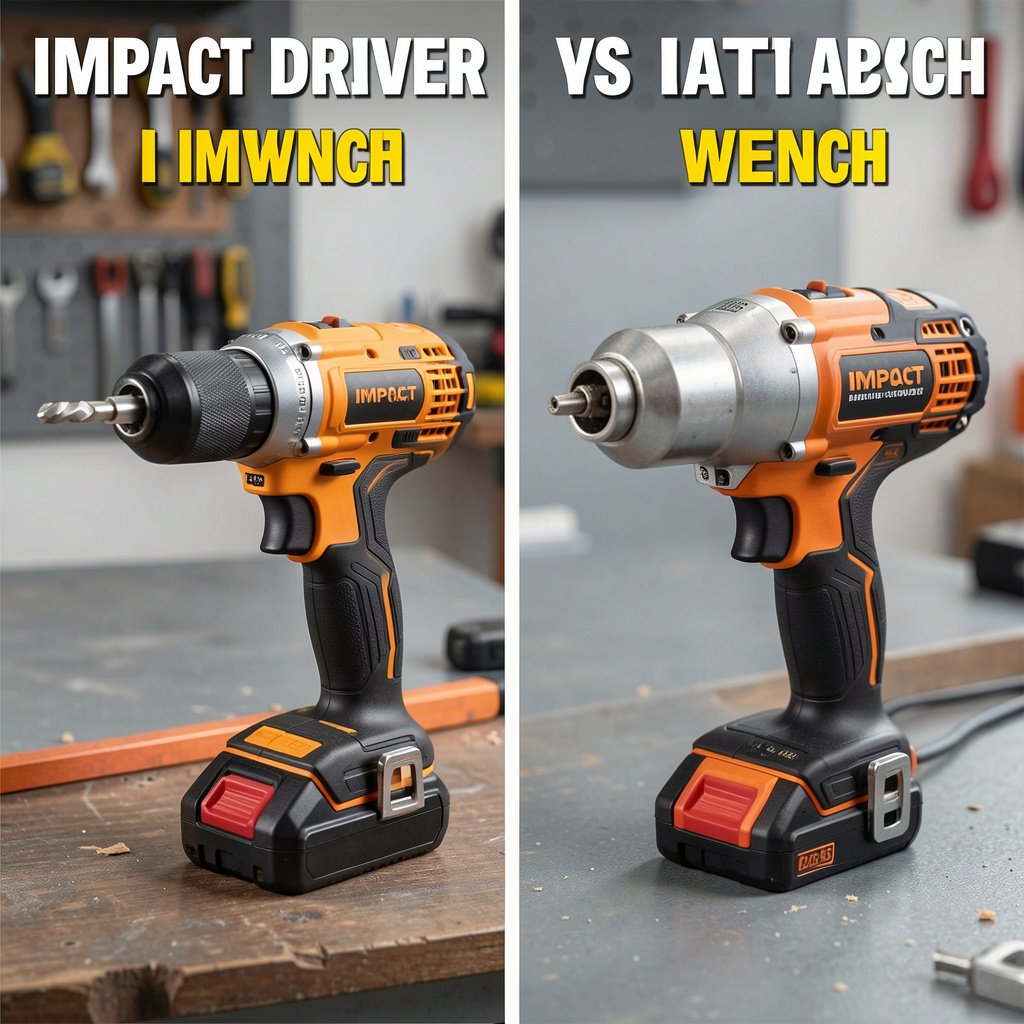
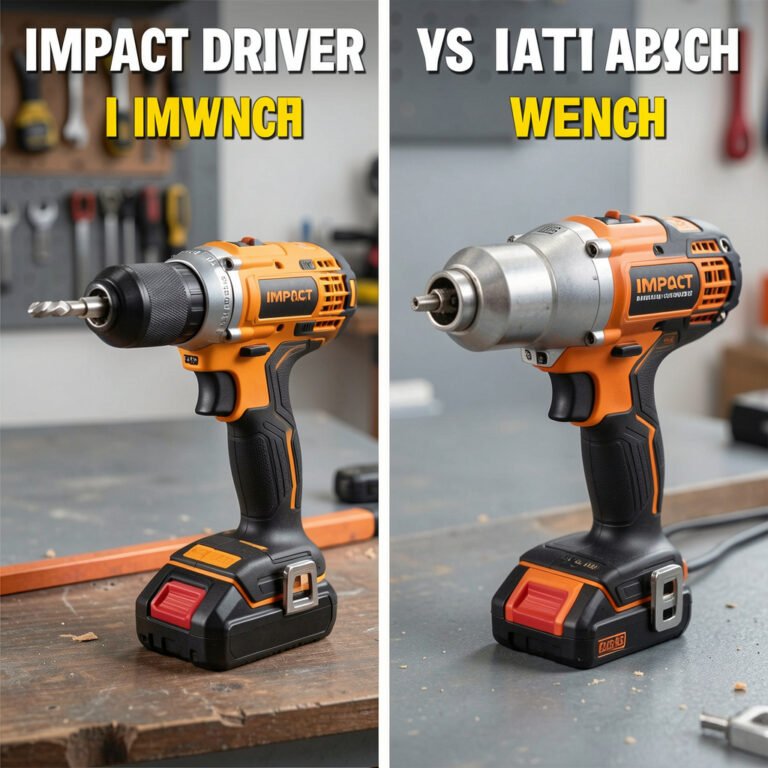
An impact driver is mainly used for screws and smaller fasteners. An impact wrench is usually used for nuts, bolts, lug nuts, and heavier automotive work. Many users compare them together, but they are not the same tool.
Battery vs Outlet: Long-Term Cost and Convenience
Cordless tools are more convenient, but batteries add long-term cost. Corded tools cost less to maintain over time because they do not need battery replacements, but they require outlet access and safe cord management. Your best choice depends on whether convenience or continuous power matters more.
Cordless impact drivers may require:
- Extra batteries
- A charger
- Battery storage care
- Future battery replacement
- Matching tool platform compatibility
Corded impact tools may require:
- Proper extension cords
- Outlet access
- Cord inspection
- Safer cable routing
- More workspace planning
If you already own batteries from a major tool platform, a cordless impact driver is often the better value. If you are starting from zero and mostly work at a bench, a corded tool may be more cost-effective.
Cost Comparison Table
| Cost Factor | Cordless | Corded |
| Tool-only price | Can be affordable | Often affordable |
| Battery cost | Extra cost if not included | Not needed |
| Charger cost | Required | Not needed |
| Runtime cost | Battery replacement over time | Electricity only |
| Convenience value | Very high | Medium |
| Long-session value | Medium | High |
Best Use Cases by User Type
The best choice depends on the user. Cordless impact drivers are usually better for DIYers, mobile workers, and quick repairs. Corded impact tools are better for fixed workspaces, long sessions, and users who prioritize constant power over portability.
| User Type | Better Choice | Why |
| Home DIYer | Cordless impact driver | Easy to use anywhere |
| Woodworker | Cordless impact driver | Great for screws and assembly |
| Contractor | Cordless brushless impact driver | Portable and job-site friendly |
| Garage user | Corded or cordless, depending on task | Depends on bolt size and runtime |
| Automotive user | Impact wrench may be better | More suitable for lug nuts and bolts |
| Workshop user | Corded tool | Continuous power is useful |
| Beginner | Cordless impact driver | Simple, flexible, and easy to store |
Best for DIY Projects
A cordless impact driver is usually best for DIY projects because most home tasks do not require unlimited runtime. You can assemble furniture, install shelves, build small structures, and drive screws without dragging cords across the room.
Best for Heavy-Duty Jobs
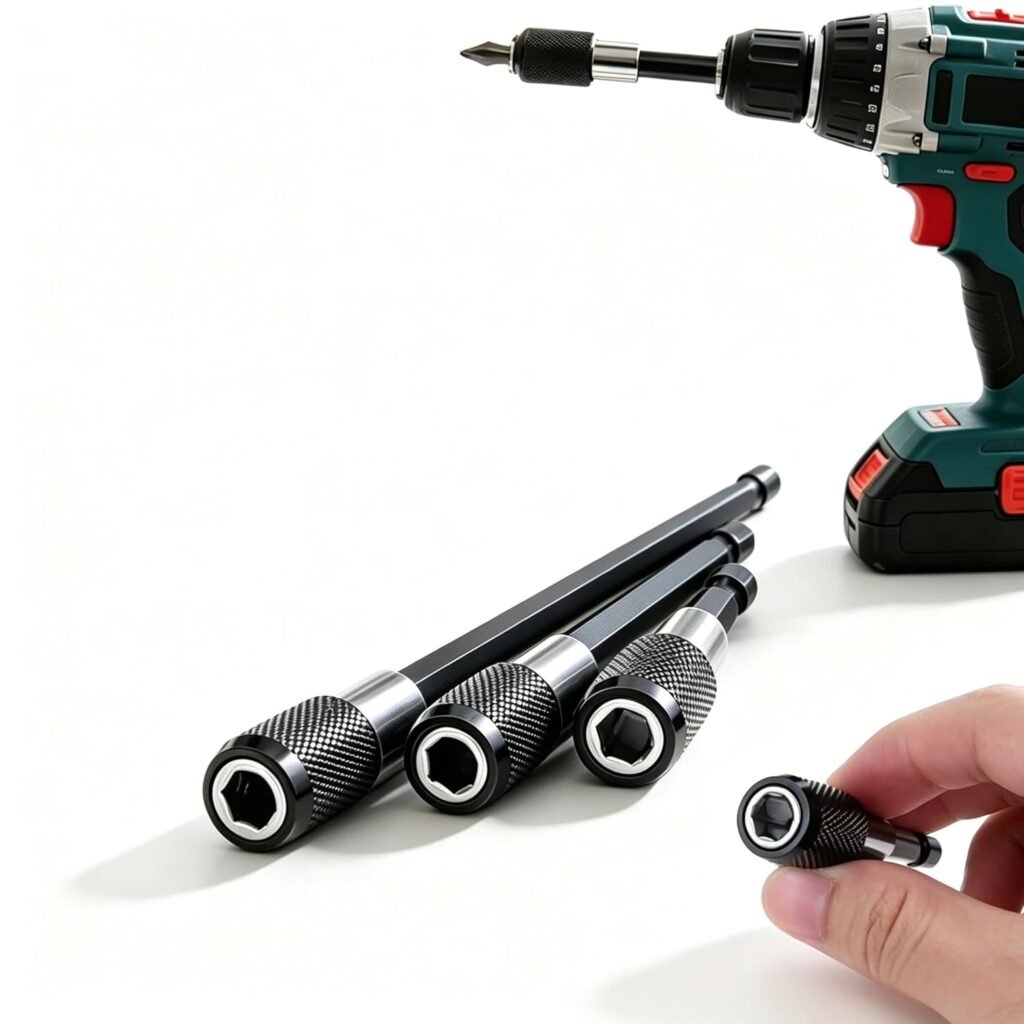
A corded high-torque tool or impact wrench may be better for heavy-duty jobs. If you regularly loosen stubborn bolts or work on vehicles, torque consistency and tool category matter more than basic portability.
Best for Outdoor Work
Cordless wins outdoors. It avoids extension cord problems and makes it easier to work in yards, driveways, sheds, fences, and remote areas.
Safety and Workspace Considerations
Both cordless and corded impact tools can be safe when used correctly, but each has different risks. Cordless models reduce cord trip hazards, while corded tools require careful outlet, cord, and extension-cord management. Always follow the tool manual and use proper eye protection.
For cordless impact drivers:
- Use the correct bit or socket adapter.
- Keep batteries away from extreme heat.
- Remove the battery before changing accessories.
- Do not use damaged batteries.
- Store batteries in a dry place.
- Avoid forcing fasteners beyond the tool’s rating.
For corded impact tools:
- Inspect the cord before use.
- Keep cords away from sharp edges.
- Use outdoor-rated extension cords outdoors.
- Avoid wet conditions.
- Do not pull the tool by the cord.
- Unplug the tool before changing accessories.
Safety also affects buying decisions. If your workspace has children, pets, clutter, or limited outlet access, cordless may be easier to manage. If your workspace is fixed, clean, and organized, corded tools can be practical.
Buying Checklist: How to Choose the Right Tool
Choose a cordless impact driver if you value portability, fast setup, and flexible use. Choose a corded impact tool if you need continuous power in one location. Before buying, compare torque, runtime, speed settings, ergonomics, battery platform, and the type of fasteners you use most.
Use this checklist before purchasing:
- Do you work near outlets?
- Do you need portability?
- Will you use it indoors or outdoors?
- Are you driving screws or loosening bolts?
- Do you need an impact driver or impact wrench?
- How much torque do you actually need?
- Does it have variable speed?
- Does it include LED lighting?
- Does the grip feel comfortable?
- Are batteries and charger included?
- Do you already own compatible batteries?
- Is the tool too heavy for long use?
- Does it support the bits or sockets you need?
Simple Decision Formula
Choose cordless if your work changes location.
Choose corded if your work stays in one place.
Choose an impact wrench instead of an impact driver if your main job is automotive bolts, lug nuts, or heavy-duty socket work.
Cordless Impact Driver vs Corded: Pros and Cons
A cordless impact driver gives better freedom and convenience, while a corded tool gives better continuous runtime. The best option depends on whether your biggest problem is movement or power interruption. For most modern users, cordless offers the better everyday experience.
| Tool Type | Pros | Cons |
| Cordless Impact Driver | Portable, compact, easy setup, great for tight spaces, no cord hazards | Battery can run out, batteries add cost, runtime depends on charge |
| Corded Impact Tool | Continuous power, no charging, good for fixed workspaces, reliable for long sessions | Limited movement, cord hazards, needs outlet, less convenient outdoors |
Quick Recommendation
For most people, a cordless impact driver is the better first purchase. It is more flexible, easier to use in different spaces, and strong enough for many fastening jobs.
A corded option makes sense if you already know you need long runtime in one fixed area.
FAQs About Cordless Impact Driver vs Corded
The most common questions about cordless impact driver vs corded tools focus on power, runtime, safety, and use case. The simple answer is that cordless is better for flexibility, while corded is better for uninterrupted work near a reliable power source.
Is a cordless impact driver as powerful as a corded one?
Many modern cordless impact drivers are powerful enough for DIY, woodworking, and construction fastening tasks. However, corded tools can provide more consistent power during long sessions because they do not depend on battery charge.
Which is better for home use: cordless or corded impact driver?
A cordless impact driver is usually better for home use. It is easier to carry, faster to set up, and more convenient for common tasks like furniture assembly, shelf installation, deck repairs, and general fastening.
Do professionals use cordless impact drivers?
Yes, many professionals use cordless impact drivers because they are portable, compact, and strong enough for most fastening jobs. Contractors often prefer cordless tools because job sites may not always have convenient outlet access.
Is a corded impact driver better for automotive work?
For automotive work, a corded impact wrench may be better than a standard impact driver if you need to loosen stubborn bolts or lug nuts. Impact drivers and impact wrenches are different tools, so match the tool to the fastener.
What is the biggest disadvantage of cordless impact drivers?
The biggest disadvantage is battery runtime. If the battery dies and you do not have a spare, your work stops until it charges. This is why many users keep at least two batteries.
What is the biggest disadvantage of corded impact tools?
The biggest disadvantage is limited movement. You need an outlet, and the cord can get in the way. Cords can also create trip hazards if the workspace is crowded.
Should I buy a brushless cordless impact driver?
A brushless cordless impact driver is a good choice if you want better efficiency, longer runtime, and less maintenance than many brushed models. It may cost more, but it is often worth it for regular use.
Can an impact driver replace a drill?
An impact driver can drive screws and fasteners very well, but it should not fully replace a drill. A drill is better for making holes and doing precision work, while an impact driver is better for high-torque fastening.
Final Verdict: Which Is Better?
A cordless impact driver is better for most users because it offers the best balance of power, portability, and convenience. A corded impact tool is better when you need nonstop runtime, work near outlets, or handle repetitive heavy-duty fastening in a fixed workspace.
Here is the easiest way to decide:
- Best overall for most users: Cordless impact driver
- Best for DIY projects: Cordless impact driver
- Best for job sites: Cordless brushless impact driver
- Best for workshops: Corded impact tool
- Best for heavy bolts: Impact wrench, not a standard impact driver
- Best for long sessions: Corded tool
- Best for flexibility: Cordless tool
For most buyers, start with a quality cordless impact driver. It handles common fastening jobs, works almost anywhere, and avoids the classic “where is the nearest outlet?” treasure hunt.

Michael Harris is an experienced woodworker and power tool expert with over 12 years in woodworking. Specializing in functional, high-quality furniture, he offers expert advice on tool selection, maintenance, and sharpening for both beginners and professionals.