

Have you ever picked up a jigsaw and wondered if it can handle straight cuts as well as curves? You’re not alone.
Many people question whether this versatile tool can deliver the precision needed for clean, straight lines. If you want to save time and avoid costly mistakes on your projects, it’s crucial to understand how to use your jigsaw effectively. Keep reading, and you’ll discover simple tips and expert advice that will help you achieve straight cuts with confidence every time.

Credit: www.youtube.com
Jigsaw Basics
A jigsaw is a versatile tool used in many DIY projects. It can cut different shapes in wood, metal, and plastic. Understanding how it works helps to use it safely and effectively.
This tool is popular because it is easy to handle and can make curved cuts. But can it also make straight cuts? Let’s explore the basics of jigsaws to find out.
How A Jigsaw Works
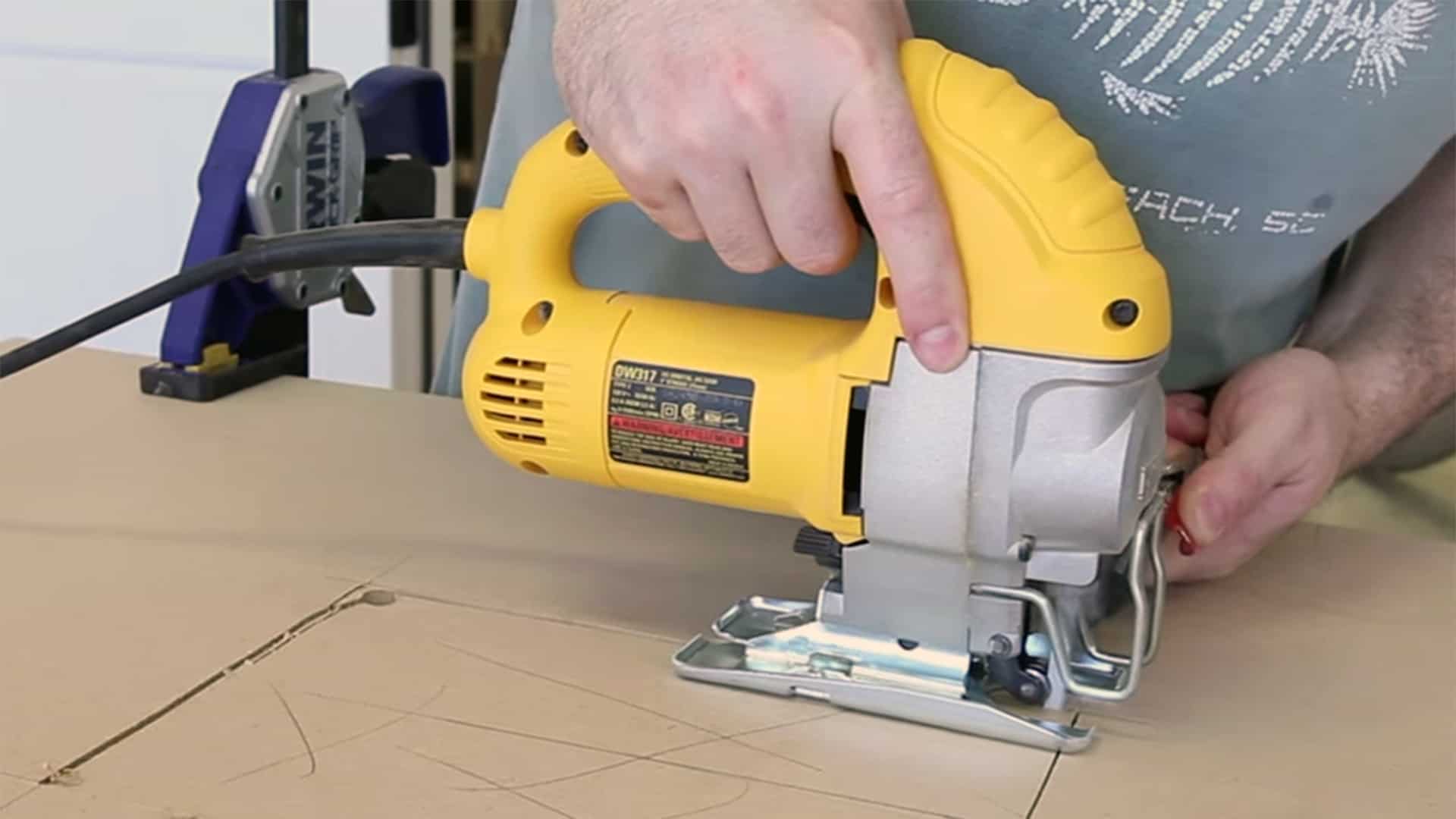
A jigsaw uses a small blade that moves up and down very fast. The blade cuts through the material as you guide the tool along the line. The speed can be controlled to match the material type.
The tool is lightweight and easy to move. It has a flat base that rests on the material for stability. This base can be adjusted for angled cuts too.
Types Of Jigsaw Blades
Different blades suit different materials and cuts. Some blades have large teeth for fast cuts in wood. Others have small, fine teeth for metal or plastic.
There are also blades designed for straight cuts and others for curves. Choosing the right blade makes the job easier and the cut cleaner.
Challenges With Straight Cuts
Cutting straight lines with a jigsaw can be difficult. This tool is designed for curves and shapes, not perfect straight edges. Many users face problems trying to achieve clean, straight cuts. Understanding these challenges helps to avoid mistakes and get better results.
Common Issues Faced
The blade tends to wander off the line. This happens because the jigsaw blade is thin and flexible. It can bend or twist during cutting. The tool’s up-and-down motion can cause rough edges. Also, vibration makes it hard to control the saw steadily. Without a guide, the cut may not stay straight. Dust and debris can block the cutting line. This reduces visibility and accuracy.
Why Straight Cuts Are Tricky
The jigsaw’s blade moves rapidly and in a small arc. This makes it hard to keep a steady path. Unlike circular saws, jigsaws lack a flat base for firm support. The blade’s narrow size means it easily drifts away. Pressure from the user can push the blade off course. The lack of a fixed fence or guide increases difficulty. Cutting thin or soft materials adds to the challenge. The blade may bend or break more easily. All these factors combine to make straight cuts tricky with a jigsaw.
Techniques For Straight Cuts
Cutting straight lines with a jigsaw can be tricky. The tool is designed for curves and shapes, but straight cuts are possible. The key lies in using the right techniques. These methods help keep the cut clean and precise. Following simple steps improves your results and makes the job easier.
Choosing The Right Blade
Select a blade made for straight cuts. Blades with fine teeth work best. They cut smoothly and reduce splintering. Use a blade labeled for clean or straight cuts. Avoid blades meant for curves or rough cutting. The right blade helps guide the tool and keeps the line straight.
Using Guides And Fences
Use a straight edge or guide to follow your cut line. Clamp a piece of wood or metal as a fence. The jigsaw base can slide along this guide. This keeps the tool from drifting off course. Guides make it easier to hold a steady hand. They help create straight and even cuts every time.
Adjusting Speed And Control
Control the speed of your jigsaw for better accuracy. Slow down near edges or corners. A steady, slow pace prevents mistakes. Keep a firm grip on the tool. Avoid pushing too hard, which can cause the blade to bend. Smooth, controlled movements lead to straighter cuts.
Credit: www.thegeekpub.com
Alternative Tools For Straight Cuts
Choosing the right tool for straight cuts can make your project easier and neater. While a jigsaw can cut straight, it may not always give the cleanest results. Other tools specialize in straight cuts and can save time and effort. These tools offer better control and accuracy, especially for long or thick materials.
Circular Saw Benefits
A circular saw is great for straight cuts on wood, plywood, and sheet materials. It uses a round blade that spins fast, cutting through materials smoothly. You can guide the saw along a straight edge or use a guide rail for perfect lines. Circular saws are portable and easy to handle for outdoor or indoor work. They cut faster and cleaner than jigsaws for straight lines.
Table Saw Advantages
A table saw provides excellent precision for straight cuts. The blade is mounted under a flat surface, letting you push material through steadily. This setup keeps cuts consistent and straight with less effort. Table saws work well for cutting multiple pieces the same size. They are ideal for woodworkers who need accuracy and repeatability in their cuts.
Expert Tips
Using a jigsaw for straight cuts is possible with the right approach. Expert tips help you achieve clean, accurate lines. These tips cover preparation, tool care, and safety. Follow them to improve your cutting results and avoid common mistakes.
Preparation Before Cutting
Choose the correct blade for straight cuts. Blades with fine teeth work best. Mark your cut line clearly with a pencil or tape. Clamp the workpiece securely to prevent movement. Check the jigsaw base plate is flat and stable. Plan your cut path to avoid sudden turns.
Maintaining The Jigsaw
Keep the blade sharp and replace it when dull. Clean dust and debris from the jigsaw regularly. Lubricate moving parts to reduce friction. Inspect the power cord for damage before use. Ensure the shoe plate is tight and aligned. Proper maintenance extends tool life and improves cut quality.
Safety Precautions
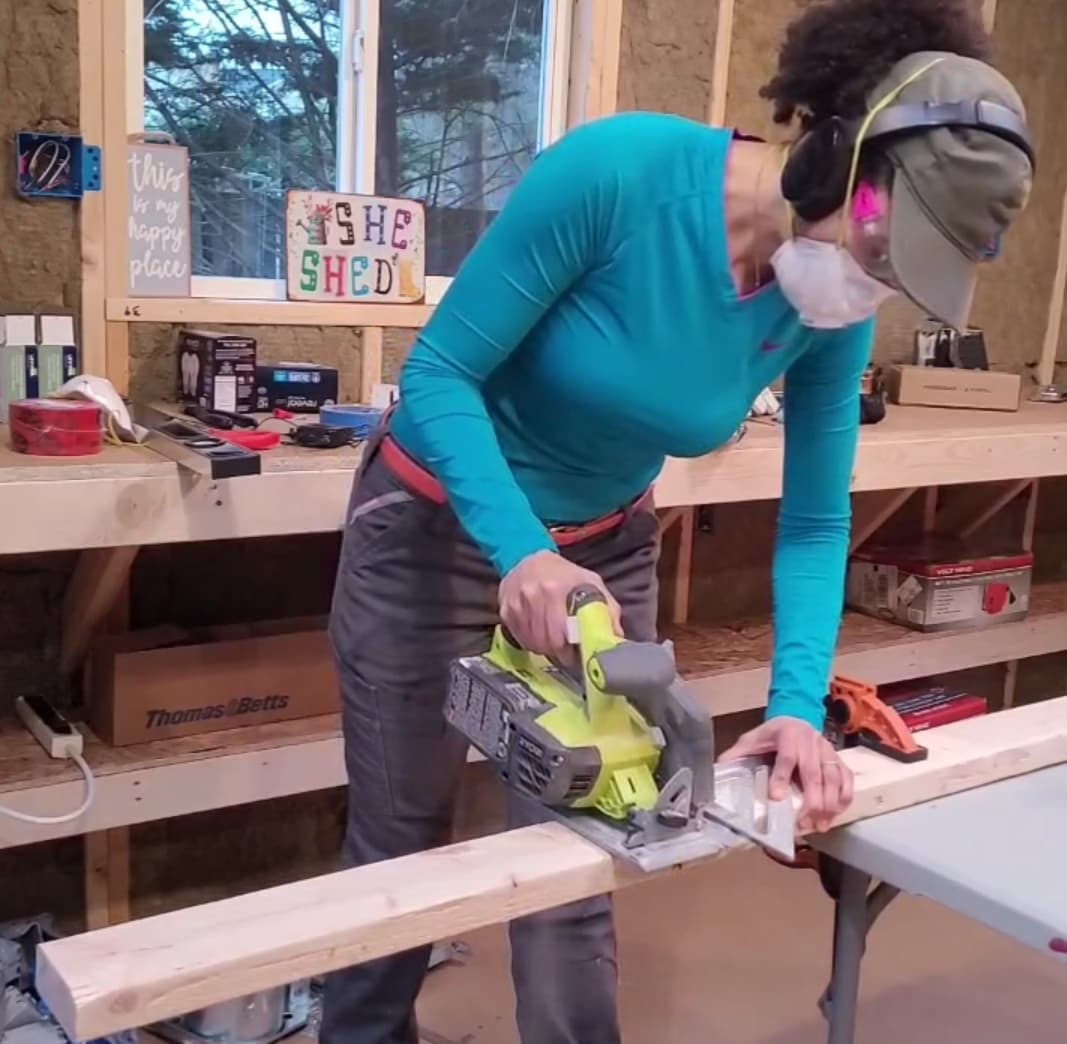
Wear safety glasses to protect your eyes. Use ear protection to guard against noise. Keep fingers away from the blade at all times. Work in a well-lit area to see your cut line clearly. Disconnect power before changing blades or making adjustments. Follow these safety tips to avoid injury.
Credit: thriftdiving.com
Frequently Asked Questions
Can A Jigsaw Make Perfectly Straight Cuts?
Yes, a jigsaw can make straight cuts with proper technique and guides. Using a straight edge or fence helps achieve accuracy. However, it may not be as precise as a circular saw for very long straight cuts.
What Blade Is Best For Straight Cuts With A Jigsaw?
Choose a fine-toothed, high TPI (teeth per inch) blade for straight cuts. This blade reduces splintering and improves cut smoothness. A narrow blade ensures better control during straight line cutting.
How Do I Improve Jigsaw Straight Cut Accuracy?
Use clamps to secure a straight edge guide on your material. Steady your hands and move the jigsaw slowly along the guide. Maintaining a consistent speed helps avoid wandering cuts.
Is A Jigsaw Better Than A Circular Saw For Straight Cuts?
A circular saw generally offers cleaner, straighter cuts over long distances. Jigsaws are versatile but less precise for long straight cuts. Use a jigsaw for short straight cuts or curves where circular saw use is limited.
Conclusion
A jigsaw can cut straight lines with the right care. Use a guide to keep your cuts steady and clean. Choose the correct blade for your material and task. Take your time to avoid mistakes or rough edges. While not perfect for all straight cuts, it works well for many projects.
Practice helps improve your control and results. A jigsaw is a useful tool when used properly.

Michael Harris is an experienced woodworker and power tool expert with over 12 years in woodworking. Specializing in functional, high-quality furniture, he offers expert advice on tool selection, maintenance, and sharpening for both beginners and professionals.