Circular Saw Vs Table Saw for Diy Projects: Ultimate Power Showdown
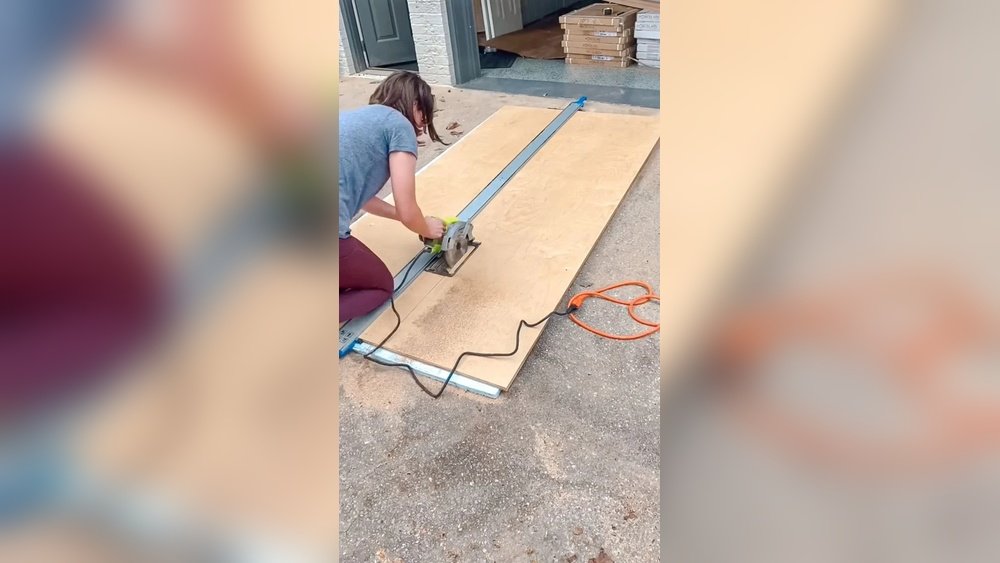
When it comes to tackling your DIY projects, choosing the right saw can make all the difference. You might be wondering whether a circular saw or a table saw will give you the best results.
Both have their strengths, but which one fits your needs and skill level? By the end of this article, you’ll know exactly which tool will save you time, effort, and frustration. Keep reading to make confident choices for your next project and get the job done like a pro.
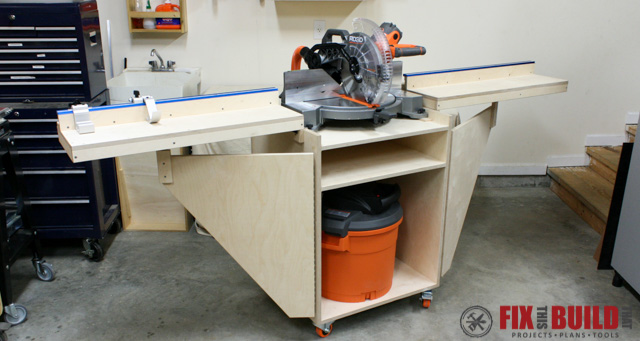
Credit: fixthisbuildthat.com
Power And Performance
Power and performance are key factors in choosing the right saw for your DIY projects. Both circular saws and table saws offer strong motors and cutting abilities. Yet, they differ in how they handle tasks. Understanding these differences helps pick the best tool for your needs.
Motor Strength Comparison
Circular saws usually have motors ranging from 12 to 15 amps. This power suits most home projects and light construction work. Table saws tend to have stronger motors, often between 15 and 30 amps. This extra power helps with heavy-duty cutting and thicker materials.
Cutting Speed Differences
Table saws generally provide faster cutting speeds. Their stable base and strong motor allow smooth, consistent cuts. Circular saws have variable speeds but often cut slower than table saws. Speed depends on battery power or corded models.
Efficiency In Various Materials
Circular saws work well on wood, plastic, and thin metal sheets. They excel at cutting large boards and sheets quickly. Table saws shine on hardwoods and thicker materials. Their precision makes them ideal for detailed cuts and repetitive tasks.
Portability And Convenience
Portability and convenience are key for many DIY projects. Choosing the right saw can save time and effort. Circular saws and table saws differ greatly in these areas. Understanding their differences helps in picking the best tool for your needs.
Weight And Size Factors
Circular saws are lightweight and compact. They usually weigh between 7 to 10 pounds. This makes them easy to carry around the workspace.
Table saws are larger and heavier. They can weigh over 50 pounds or more. This makes them harder to move and store in small spaces.
Ease Of Transport
Circular saws fit easily in a toolbox or backpack. They are perfect for projects at different locations. You can carry them by hand without much effort.
Table saws often need a cart or stand for moving. Transporting them requires more space and planning. They are better suited for a fixed workshop.
Setup Time
Circular saws require little to no setup. You can start cutting almost immediately. This saves valuable time during small projects.
Table saws need more setup and adjustments. Aligning the blade and fence takes time. This setup is worth it for precision but slows down quick tasks.
Precision And Accuracy
Precision and accuracy are key for any DIY project. They ensure your cuts fit perfectly. Both circular saws and table saws offer different levels of precision. Understanding their strengths helps you choose the best tool for your needs.
Cut Quality
Table saws usually deliver cleaner and straighter cuts. Their fixed blade and stable base reduce wobble. Circular saws can produce rougher edges, especially on thicker wood. Using a guide can improve cut quality with a circular saw. Still, table saws excel in making uniform cuts repeatedly.
Adjustability Features
Table saws come with precise angle and height adjustments. These settings help create bevel and rip cuts easily. Circular saws offer adjustable depth and bevel as well. Yet, their adjustments are less stable and less precise. Table saws allow finer tuning for more accurate cuts.
Guidance And Stability
Table saws have built-in fences that guide wood steadily. This feature increases accuracy and helps maintain straight cuts. Circular saws rely on external guides or steady hands. This makes it harder to keep cuts straight and consistent. Table saws provide better support for detailed work.
Safety Features
Safety is a top concern for any DIY project involving power tools. Circular saws and table saws both have features designed to protect users. Understanding these safety elements helps you work with confidence and avoid injuries. Below, we explore key safety features found in these saws.
Blade Guards
Blade guards cover the sharp edges of the saw blade. They prevent accidental contact with the spinning blade. Circular saws often have a retractable guard that moves as you cut. Table saws use a fixed guard that stays over the blade when not in use. These guards reduce the risk of cuts and help keep fingers safe.
User Control
Control features let users handle saws more safely. Circular saws have ergonomic handles and trigger locks to avoid accidental starts. Table saws include safety switches and paddle stops that turn off the blade quickly. Good control reduces slips and mistakes during cutting. It also improves accuracy and comfort.
Accident Prevention
Both saw types include special systems to prevent accidents. Table saws often come with riving knives to stop kickbacks. Some models have flesh sensors that stop the blade instantly on skin contact. Circular saws rely on quick blade brakes and stable bases. These features lower the chance of serious injuries.
Versatility In Projects
Versatility is key for any DIY project. Choosing the right saw affects what you can build and how easily you do it. Circular saws and table saws offer different levels of versatility. Understanding their strengths helps pick the best tool for each task.
Types Of Cuts Possible
Circular saws handle straight cuts well. They also cut angles and curves but need steady hands. Table saws excel at precise straight cuts. They can make rip cuts, crosscuts, and bevel cuts with ease. Table saws provide consistent depth and angle control.
Material Compatibility
Circular saws work on wood, plastic, and metal with the right blade. They fit well for outdoor or large sheet cutting. Table saws mainly cut wood and wood-based materials. They struggle with thick metal or very hard plastics. Each saw suits different materials based on the blade used.
Accessory Options
Circular saws have fewer accessories but offer guide rails and clamps. These improve cut accuracy and safety. Table saws support various jigs, fences, and dado blades. These accessories expand cutting styles and improve precision. Both saws can grow with your project needs.
Cost And Value
Cost and value play a big role in choosing between a circular saw and a table saw. Both tools serve different needs and budgets. Understanding their costs helps you pick the right one for your DIY projects. This section breaks down the initial price, upkeep, and how long each tool lasts.
Initial Investment
Circular saws usually cost less than table saws. You can find a good circular saw for under $100. Table saws often start around $300 and go up. The price varies with size, power, and brand. For simple projects, a circular saw fits most budgets.
Maintenance Expenses
Both saws need regular care to work well. Circular saws require blade sharpening and occasional motor checks. Table saws need blade changes, belt checks, and lubrication. Table saw maintenance may cost more due to extra parts. Keeping tools clean extends their life.
Long-term Durability
Table saws are built for heavy use and last longer. They handle bigger projects without wearing out fast. Circular saws are lighter and less durable. They are best for small to medium jobs. Investing in a table saw pays off if you build often.
Best Uses For Diyers
Choosing the right saw is important for DIY projects. Each saw has tasks where it works best. Knowing these uses helps DIYers get better results. This section explains which saw fits different projects and skill levels.
Small Vs Large Projects
Circular saws work well for small to medium projects. They are easy to carry and use in tight spaces. Cutting plywood or trimming boards is simple with a circular saw.
Table saws suit large projects and repeated cuts. They offer more precision and power. Building furniture or cabinets is easier with a table saw.
Indoor Vs Outdoor Tasks
Circular saws are great for outdoor tasks. They are portable and can handle rough conditions. Cutting lumber at a job site or in the yard works well.
Table saws are best for indoor work. They require a stable place to set up. Perfect for workshops or garages where precision matters.
Skill Level Considerations
Circular saws are beginner-friendly. They are lighter and easier to control. Learning to make straight cuts is quicker with this tool.
Table saws need more skill and care. Safety rules are important to follow. Experienced DIYers benefit from the accuracy and speed of table saws.
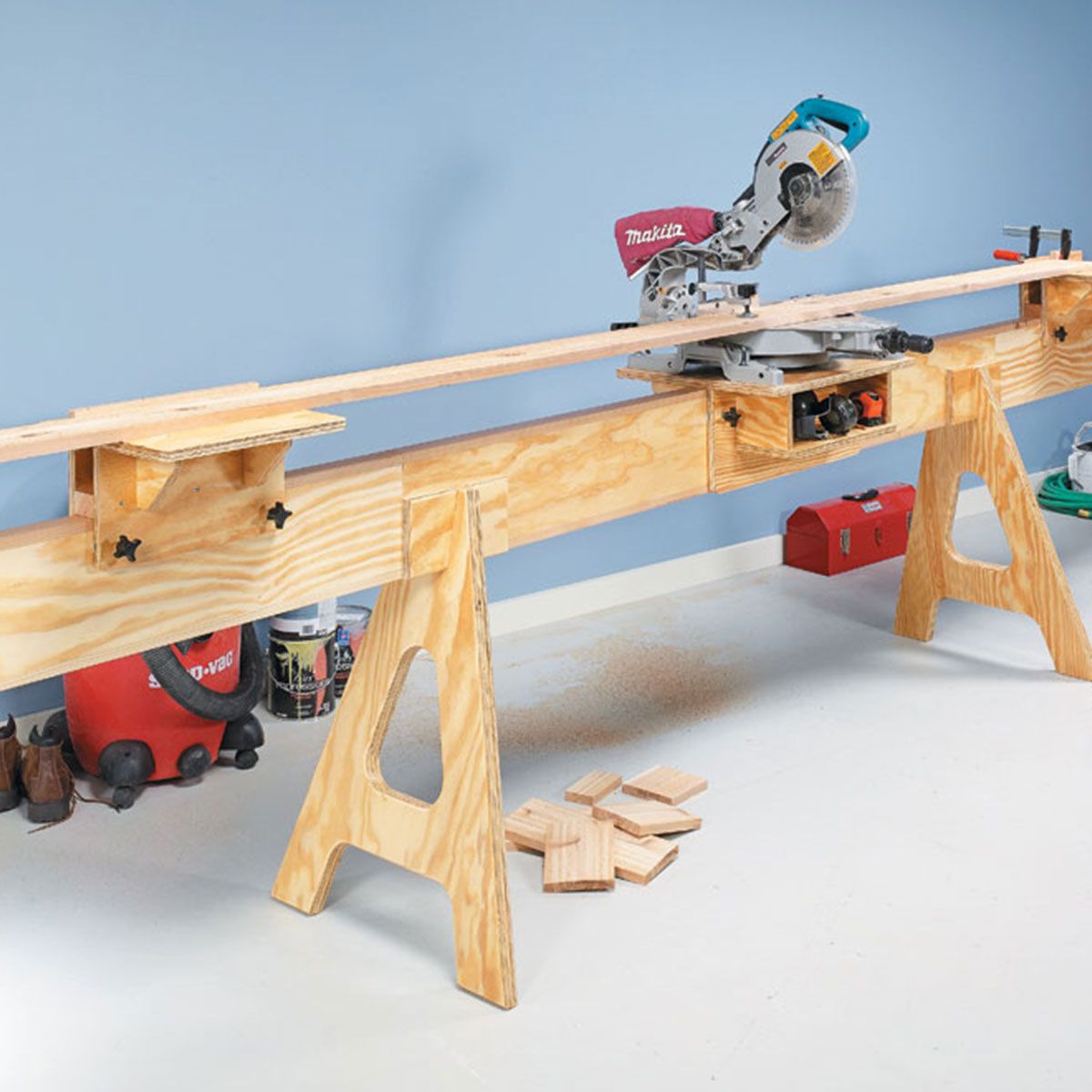
Credit: honikon.cz

Credit: nithio.com
Frequently Asked Questions
What Are The Main Differences Between Circular And Table Saws?
Circular saws are handheld, portable, and ideal for quick cuts. Table saws are stationary with larger cutting capacity, perfect for precision and repetitive cuts.
Which Saw Is Better For Diy Woodworking Projects?
Table saws offer more accuracy and stability, making them suitable for detailed woodworking. Circular saws are better for general, versatile cutting tasks.
Can I Use A Circular Saw Instead Of A Table Saw?
Yes, but circular saws lack the precision and ease of use for fine, repetitive cuts that table saws provide.
Is A Table Saw More Expensive Than A Circular Saw?
Generally, table saws cost more due to their size and capabilities. Circular saws are more affordable and accessible for beginners.
Conclusion
Choosing between a circular saw and a table saw depends on your project needs. Circular saws are great for quick, portable cuts. Table saws offer precision and stability for detailed work. Consider your workspace size and budget too. Both tools have strengths that suit different tasks.
Think about what fits your skill level and project type. This helps you work safely and get the best results. Simple tools, smart choices—your DIY projects will benefit.

Michael Harris is an experienced woodworker and power tool expert with over 12 years in woodworking. Specializing in functional, high-quality furniture, he offers expert advice on tool selection, maintenance, and sharpening for both beginners and professionals.