Did California Outlaw Gas Lawn Mowers? Here’s Why
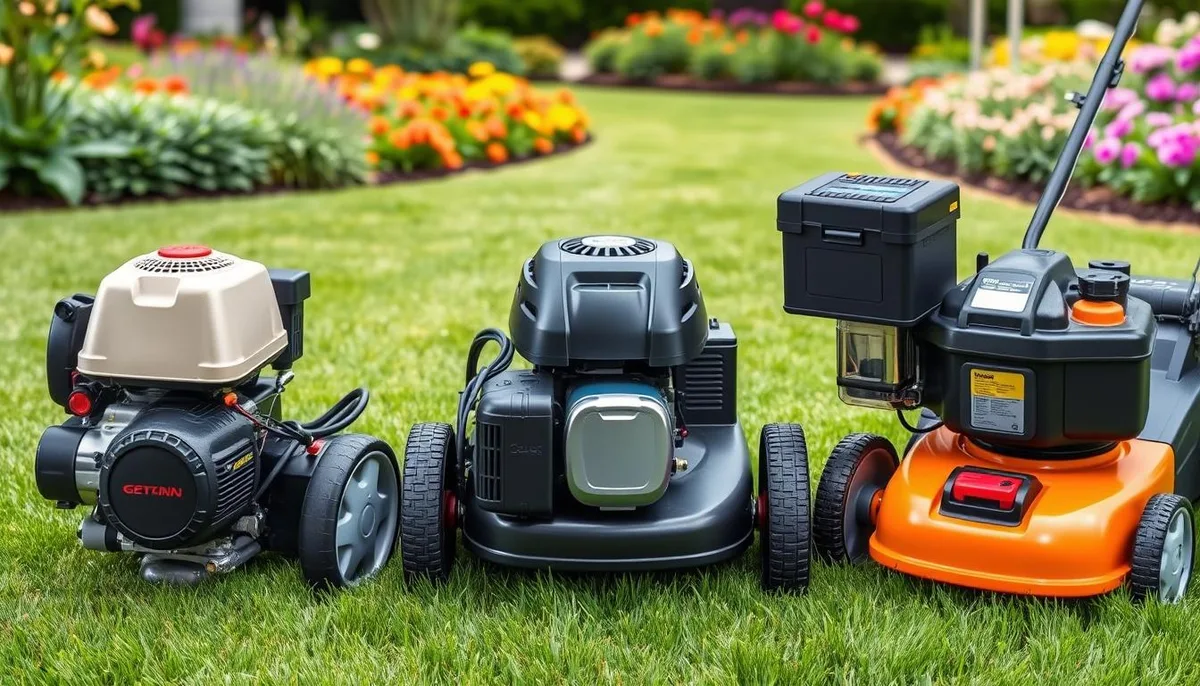
Did California outlaw gas lawn mowers? Not entirely, but the rules are tightening fast. A state phase-in law is already blocking new sales of some gas-powered outdoor equipment, and residential gas mowers face a full sales ban by 2035.
The real answer depends on where you live, because many counties have already moved ahead of the state timeline.
Per California Air Resources Board regulations, handheld gas trimmers and leaf blowers hit retail bans in 2025, while residential mowers get a longer runway. If you already own a gas mower, you can generally keep using it. But if you're planning a new purchase, your county's local ordinance matters more than the state calendar.
Here's what you need to know before you buy or replace your equipment.
Quick Answer
No, California has not issued a blanket ban on gas lawn mowers yet. The state phase-in law sets January 1, 2035 as the full retail sales deadline for residential gas mowers. However, handheld gas trimmers and leaf blowers already face a 2025 sales ban statewide.
Many counties have adopted earlier local ordinances, so check your specific air district before making any purchase. As of 2026, existing gas mower owners retain grandfathered use rights across nearly all jurisdictions.
The Phase-In Law: How California's Ban Actually Works
The state law targets outdoor power equipment in staggered stages. Gas-powered residential lawn mowers sit on the longest timeline, with a 2035 retail sales cutoff set by CARB. Handheld devices like trimmers and leaf blowers face earlier deadlines, creating confusion for homeowners who lump everything together.
What the Timeline Actually Looks Like
| Equipment Type | Retail Sales Ban | Rental/Repair Ban | Full Compliance Deadline |
|---|---|---|---|
| Handheld gas trimmers | January 1, 2025 | January 1, 2027 | Already enforced |
| Gas-powered leaf blowers | January 1, 2025 | January 1, 2027 | Already enforced |
| Residential gas lawn mowers | January 1, 2035 | Not yet specified | January 1, 2035 |
| Commercial gas mowers | Exempt from this rule | Exempt from this rule | N/A |
The law was designed to give consumers time to transition and manufacturers time to scale electric alternatives. It also lets local air districts adapt enforcement gradually. But here's the catch: counties can adopt earlier deadlines than the state timeline.
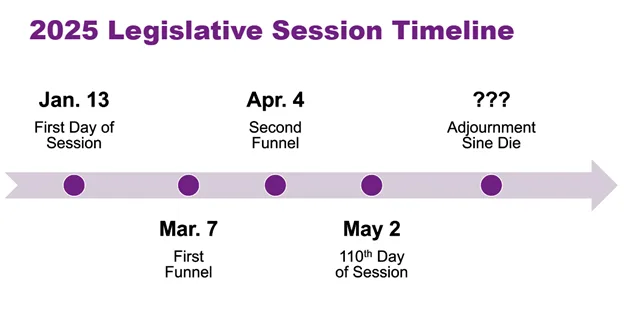
Several counties in the South Coast Air Basin have already banned new gas mower sales well before 2035. Los Angeles County, Orange County, and San Bernardino County operate under stricter local ordinances due to chronic ozone violations. If you live in those areas, the state timeline doesn't protect you from earlier local bans.
CARB's approach relies on local implementation, meaning the actual rules you follow depend on your specific air district. The state sets the outer boundary, but counties fill in the details. This is why two homes a mile apart can face completely different legal requirements.
Some rural counties haven't adopted early bans at all, while urban cores enforce them aggressively.
Checking your county's air quality management district website is the only way to know your exact situation. Most districts publish adopted ordinances with clear phase-in dates. California Air Resources Board regulatory filings provide the authoritative state baseline, but local rules always take precedence when they're stricter.
Your Existing Gas Mower: Grandfathering Rules
If you bought a gas mower before your county's sales ban kicked in, you can almost certainly keep using it. Grandfathering protections cover existing ownership, not new purchases after the cutoff date. This means you retain the right to operate, maintain, and repair your current machine until it gives out or you choose to replace it voluntarily.

Who Is Protected Under Grandfathering?
- Homeowners who purchased gas mowers before their county's sales ban
- Residents who inherited or received gas mowers as gifts
- Property managers maintaining existing equipment fleets
- Anyone who owned a gas mower prior to local ordinance adoption
Grandfathering does not protect you from local use restrictions during air quality emergencies. Some counties impose temporary operation bans on gas-powered equipment during severe smog days. These are situational restrictions, not permanent prohibitions, but they can catch owners off guard if they aren't monitoring air alerts.
What Grandfathering Doesn't Cover
You cannot sell a new gas mower to someone else if your county has banned retail sales. The grandfather clause only protects your personal use, not commercial resale. If you're a landscaper with a fleet of gas mowers, different rules may apply depending on whether your equipment falls under commercial exemptions.
Some aggressive air districts are exploring mandatory trade-in programs or early retirement incentives for existing gas equipment owners. These programs typically offer partial rebates in exchange for retiring older machines early. Keep an eye on your local district's announcements if you're considering an upgrade before the state deadline.
You can continue ordering replacement parts, blades, and engines for your grandfathered mower. Manufacturers must still support existing equipment even after sales bans take effect. This includes spark plugs, air filters, pull starters, and deck components.
If you need help with routine maintenance like keeping your mower's intake clean, standard servicing procedures still apply to older gas models.
Checking Your County's Specific Rules
California's 58 counties don't move in lockstep. Each air quality management district sets its own adoption timeline, and many have already banned new gas mower sales years before the 2035 state deadline. Your actual legal options depend entirely on which district you fall under.
How to Find Your County's Status
Start by identifying your county's air district. The major ones include the South Coast AQMD, Bay Area AQMD, Sacramento SCAQMD, and San Diego AQMD. Visit your district's official website and search for "zero-emission outdoor power equipment" or "gas equipment phase-in." Most districts publish their adopted ordinances with clear effective dates.
If the information isn't easy to find, call your county environmental health department directly. Staff can tell you whether gas mower sales are restricted in your jurisdiction and whether any local use restrictions apply. Don't rely on general state summaries, because the local rules are what actually affect your purchasing options today.
Counties With Early Bans Already in Effect
Several jurisdictions have moved significantly faster than the state timeline. Los Angeles County's South Coast AQMD has enforced strict phase-ins since 2022. San Francisco Bay Area counties like Alameda and Contra Costa adopted early sales bans for handheld equipment and are evaluating mower restrictions.
Imperial County and other high-ozone valleys often set the most aggressive deadlines.
What If Your County Hasn't Adopted Early Rules?
You're in the clearer position. You can still buy a new gas mower today, but you should plan for the 2035 cutoff. The electric alternatives are mature enough for most residential applications, and prices have dropped significantly.
Starting your research now gives you time to compare options without pressure.
Even if your county hasn't acted yet, nearby jurisdictions may have. Some people cross county lines to purchase equipment, but retailers are required to verify shipping addresses and block non-compliant sales to restricted ZIP codes. Attempting to bypass local bans through out-of-state purchases can result in penalties for both buyer and seller.
Your local utility provider may also offer transition incentives for switching to electric equipment. These rebates can offset the higher upfront cost of quality battery mowers. Check with your electric company before making any purchase decision, as program availability varies by service area.
Understanding different nailer types for various projects might seem unrelated, but similar technology transitions apply across tool categories.
Switching to Electric: What You Need to Know
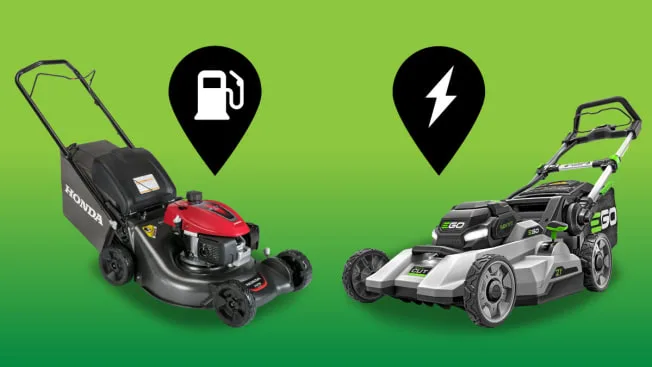
Making the switch from gas to electric isn't just about compliance. The technology has improved dramatically, and many homeowners find electric mowers easier to operate and maintain. Battery systems now deliver sufficient power for typical residential yards, and the total cost of ownership often comes out in your favor over time.
Gas vs. Electric: The Real Trade-offs
| Factor | Gas Mower | Battery Electric Mower |
|---|---|---|
| Upfront cost | $200 to $600 | $300 to $800 plus battery |
| Operating cost per hour | $2 to $4 in fuel | $0.10 to $0.30 in electricity |
| Maintenance frequency | Every 25 to 50 hours | Minimal annual servicing |
| Runtime per session | Unlimited with refueling | 30 to 90 minutes per charge |
| Power for thick grass | Strong and consistent | Good to strong depending on voltage |
| Noise level | 90 to 100 decibels | 65 to 75 decibels |
| Tailpipe emissions | Yes, significant | Zero at point of use |
| Expected lifespan | 8 to 15 years | 10 to 15 years plus battery swaps |
The operating cost difference is substantial. Gas mowers burn roughly a half-gallon per hour, which adds up quickly over a growing season. Electric mowers cost pennies per session, and battery replacements typically run $150 to $300 every few years.
When you factor in avoided fuel costs and minimal maintenance, electric wins on total cost for average homeowners.
How to Choose the Right Electric Mower for Your Yard
Your yard size should drive your voltage and runtime decisions. Owners with quarter-acre lawns or smaller can usually get by with a 40V model and a single battery. Those managing half-acre properties should look at 80V systems or dual-battery setups to avoid mid-cut recharging.
Anything larger than that may require professional-grade equipment or multiple charging cycles.
If you deal with thick, wet, or overgrown grass regularly, prioritize higher voltage motors and self-propelled models. Lower-powered electric mowers can bog down in demanding conditions, so match the tool to your actual terrain rather than buying the cheapest option. Brand reliability matters too, since battery platform ecosystems vary widely.
Recommended Electric Mower Platforms
- EGO offers an 80V system with strong runtime and a broad accessory ecosystem
- Ryobi provides affordable 40V and 80V options that compete well on value
- DeWalt's FlexVolt platform delivers adaptable voltage for users who own other DeWalt tools
- Milwaukee's M18 Fuel line targets professionals who need durability and consistent power
- Greenworks delivers solid 40V and 80V performance at competitive price points
The electric mower market has moved past the early reliability complaints. Modern brushless motors and lithium-ion batteries handle residential demands convincingly. If you're weighing the decision, consider how many hours per year you actually spend on maintenance tasks like keeping the correct fluid level before each mowing season.
Electric equipment eliminates that entire category of upkeep.
Common Mistakes People Make When Dealing With the Ban
Most homeowners stumble on the same few points when navigating California's gas mower regulations. These mistakes can lead to unexpected fines, wasted purchases, or frustration when local rules don't match what they assumed. Avoiding them keeps you compliant and saves money.
Mistake #1: Assuming State Law Applies Uniformly
The biggest error is treating California's phase-in as a single statewide rule. It isn't. Counties adopt their own timelines, and some have banned new gas mower sales years before 2035.
Checking only state-level information gives you an incomplete picture. Always verify your specific county's air district rules before making any purchasing decision.
Mistake #2: Confusing Mower Rules With Trimmer and Blower Rules
Handheld gas trimmers and leaf blowers face bans starting in 2025, but residential lawn mowers don't hit the full state sales ban until 2035. Homeowners often conflate these timelines and assume mowers are already restricted when they're not in their county. This confusion leads to unnecessary panic buying or missed opportunities to purchase gas equipment legally.
Mistake #3: Buying Gas Equipment From an Out-of-State Source
Some shoppers try to order gas mowers from retailers outside California to bypass local bans. This doesn't work the way people expect. Major online retailers verify shipping addresses and block sales to restricted ZIP codes.
Attempting circumvention can result in seized equipment or penalties, and it rarely saves money once you factor in shipping costs and return hassles.
Mistake #4: Underestimating Electric Mower Runtime for Large Yards
Buying a budget 40V mower for a large property is a costly mistake. These units often deliver 30 to 45 minutes of runtime, which covers only a small fraction of a half-acre or larger lawn. If your property exceeds a quarter acre, invest in 80V systems or plan for extra battery packs.
Matching runtime to your actual yard size prevents frustrating mid-job dead batteries.
Mistake #5: Waiting Until the Last Minute to Switch
Homeowners who wait until their county bans sales often face limited selection and higher prices. Electric mower options are vast now, and rebate programs may change or expire. Starting your evaluation early gives you time to compare models, research battery ecosystems, and take advantage of transition incentives before demand compresses availability.
Mistake #6: Ignoring Charging Infrastructure Needs
An electric mower is useless if you can't recharge it conveniently. If your garage or shed lacks accessible outlets, you'll need to run extension cords or invest in electrical work. Plan your charging setup before you buy, because relocating a cord across a muddy yard each mowing session gets old fast.
Some homeowners discover this limitation only after purchasing their first electric model.
Frequently Asked Questions
When does the California gas mower ban actually start?
The state retail sales ban on residential gas lawn mowers takes effect January 1, 2035. However, many counties have adopted earlier local deadlines. Some South Coast Air Basin jurisdictions have already restricted new gas mower sales years ahead of the state timeline.
Always verify your specific county's air district rules before planning a purchase.
Can I still use my current gas lawn mower?
Yes, in nearly all cases. Grandfathering protections allow you to keep using, servicing, and repairing your existing gas mower. The law targets new sales, not ownership or operation.
A few counties impose temporary use restrictions during severe air quality events, but permanent operation bans on grandfathered equipment are rare.
Does the ban apply to commercial or landscaping mowers?
No. California's phase-in law specifically targets residential outdoor power equipment. Commercial-grade mowers used by landscaping professionals are exempt from this regulation.
That said, some aggressive local ordinances may include commercial categories, so commercial operators should still verify their county's specific rules.
What about gas-powered string trimmers and leaf blowers?
Those face much earlier deadlines. Handheld gas trimmers and leaf blowers hit a 2025 retail sales ban statewide, with rental and repair restrictions following in 2027. Lawn mowers operate on a separate, longer timeline ending in 2035.
Don't confuse the two when planning your equipment decisions.
Are there rebates for switching to electric?
Yes. Many California utility companies offer rebates or incentives for purchasing zero-emission outdoor power equipment. Amounts typically range from $50 to $300 per unit depending on the provider and program.
Check with your local electric utility for current offer details before making a purchase.
Can I sell my gas mower to someone outside California?
Yes. The restriction applies to retail sales within California. Selling your mower to an out-of-state resident or shipping it out of state is generally permitted.
However, verify any interstate commerce requirements with your local air district, and never attempt to circumvent local bans by listing equipment on resale platforms with California shipping addresses.
Final Recommendation: What Should You Do Next?
Your next steps depend entirely on your current situation. If you already own a gas mower, breathe easy. You can keep using it, maintaining it, and running it as long as you like.
Grandfathering rights protect your ownership unless a rare local use restriction applies during emergency air quality days.
If you're planning to buy a new mower this season, check your county's air district website first. Some jurisdictions have already banned new gas mower sales. Buying from a retailer who ships to your ZIP code should catch most restrictions automatically, but don't rely on that as your only safeguard.
If you're ready to transition anyway, start evaluating electric options now. The market has matured significantly. Match the voltage and runtime to your yard size rather than grabbing the cheapest option.
Look into utility rebates to offset the higher upfront cost, and plan your charging setup before the equipment arrives.
Stay informed without obsessing over every regulatory update. Subscribe to your county air district's newsletter or check their site quarterly. The rules are moving, but usually in predictable directions.
Being aware matters more than being anxious, and having a plan now puts you ahead of everyone waiting until the last minute.

Michael Harris is an experienced woodworker and power tool expert with over 12 years in woodworking. Specializing in functional, high-quality furniture, he offers expert advice on tool selection, maintenance, and sharpening for both beginners and professionals.