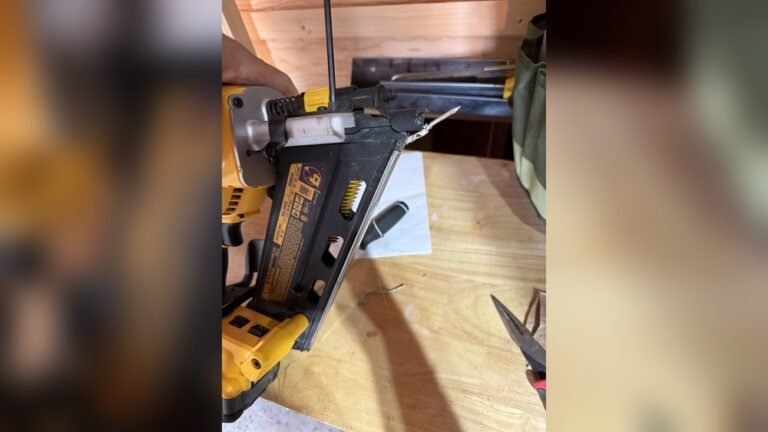
If you’re working with a framing nailer, you know how frustrating it can be when it misfires. These unexpected slips can slow down your project, waste materials, and even cause safety hazards.
But what if you could prevent misfires before they happen? You’ll discover simple, practical tips that help you keep your framing nailer firing smoothly every time. Keep reading, and you’ll save time, reduce mistakes, and feel more confident with your tool.
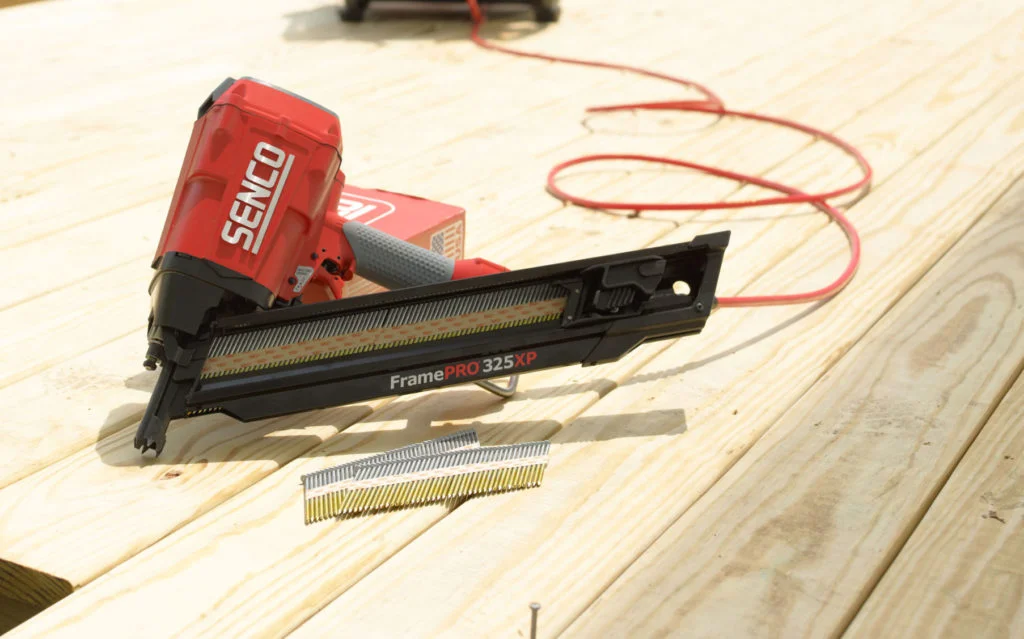
Credit: www.senco.com
Common Causes Of Misfires
Misfires with a framing nailer can cause delays and frustration on any project. Knowing the common causes helps prevent these problems. Understanding these issues keeps your work smooth and efficient.
Wrong Nail Size
Using the wrong nail size often leads to misfires. Nails that are too long or too short do not fit correctly. This causes the nailer to jam or fail to fire. Always check the recommended nail size for your tool.
Improper Air Pressure
Air pressure that is too low or too high causes misfires. Low pressure may not drive nails fully into the wood. High pressure can damage the tool or cause double firing. Adjust the air pressure to the tool’s specifications.
Jammed Nails
Nail jams block the firing mechanism. Nails can get stuck if they are bent or misaligned. Clearing jams carefully avoids damage. Regularly inspect the nail strip and reload properly to prevent jams.
Dirty Or Worn Parts
Dirt and dust build-up affect the nailer’s performance. Worn parts lose their ability to work smoothly. Cleaning the tool and replacing worn parts reduce misfires. Maintain your nailer to keep it reliable and safe.
Choosing The Right Nails
Choosing the right nails is key to avoid misfires with a framing nailer. Nails must fit your tool perfectly. The wrong nails can cause jams or poor fastening. Quality nails make work smoother and safer. This section explains how to pick the best nails for your framing nailer.
Matching Nails To Your Nailer
Each framing nailer needs nails of a specific size and type. Check your nailer’s manual for nail length and diameter. Use nails designed for your tool’s magazine. Different nailers take different collations, such as clipped head or full round head. Using the wrong nails can cause jams and misfires. Always buy nails that match your nailer’s specifications.
Quality And Material Considerations
Good nail quality prevents bending and breaking during use. Choose nails made from strong materials like steel. Some nails come with coatings to resist rust and improve hold. Avoid cheap nails that bend easily or have weak heads. Reliable nails reduce misfires and keep your project secure. Invest in nails that fit well and last longer.
Maintaining Your Framing Nailer
Maintaining your framing nailer is key to avoiding misfires. Dirt, dust, and old oil can cause the tool to jam or misfire. Keeping it clean and well-oiled helps the nailer work smoothly and last longer.
Regular checks can catch small problems before they turn into big repairs. Simple upkeep saves time and money on the job. Learn how to care for your framing nailer with these basic steps.
Regular Cleaning
Clean your framing nailer after every use. Remove dust, wood chips, and nail residue from the tool. Use a dry cloth or a soft brush for this task. Avoid water or harsh chemicals that may damage the tool. Keep the air vents clear to prevent overheating.
Lubrication Tips
Apply oil to the moving parts of the nailer often. Use the oil type recommended by the manufacturer. A few drops on the driver blade and piston area will do. Avoid over-oiling, which can attract dirt. Proper lubrication keeps the nailer running smoothly and prevents wear.
Inspecting Components
Check the nailer’s parts regularly for damage or wear. Look at the trigger, driver blade, and magazine. Replace worn or broken parts immediately to avoid malfunctions. Tighten loose screws and bolts to keep the tool steady. Regular inspections help catch issues early and keep your nailer safe to use.
Correct Operating Techniques
Correct operating techniques are key to avoid misfires with a framing nailer. Using the tool properly reduces jams and ensures safety. Learning how to handle the nailer correctly improves your work quality and speed.
Proper Nail Placement
Place the nailer tip firmly against the wood surface. Keep it at a right angle to avoid angled nails. This ensures the nail drives straight and holds well. Avoid placing the nailer on thin or weak spots. Proper placement prevents the nail from bending or missing.
Consistent Pressure Application
Apply steady pressure on the nailer before pulling the trigger. Too little pressure causes misfires or shallow nails. Too much pressure can damage the wood or tool. Hold the nailer firmly but not too tight. Consistent pressure helps the nailer work smoothly every time.
Avoiding Overuse
Take breaks to prevent the nailer from overheating. Continuous use can cause jams and reduce tool lifespan. Clean the nailer regularly to keep it working well. Overuse leads to wear and tear, increasing the chance of misfires. Use the tool within recommended limits for best results.
Troubleshooting Misfires
Misfires with a framing nailer can slow down your work and cause frustration. Troubleshooting these issues helps keep your tool running smoothly. This section covers simple steps to fix common problems quickly. You will learn how to clear jams safely, adjust air compressor settings, and know when to replace parts.
Clearing Jams Safely
Always unplug or disconnect the nailer from the power source first. Use a small tool or your fingers to remove stuck nails. Avoid forcing nails out to prevent damage. Check the nail channel for dirt and debris. Clean the channel with compressed air or a brush. Regular cleaning helps reduce jams.
Adjusting Air Compressor Settings
Check the air pressure before starting your work. Low pressure causes weak nail shots and misfires. High pressure can damage the tool. Adjust the compressor to the recommended pressure for your nailer. Use a pressure gauge for accuracy. Make small changes and test the nailer after each adjustment.
When To Replace Parts
Look for worn or broken parts if misfires continue. Check the driver blade, O-rings, and seals. Replace parts that show cracks, dents, or wear. Use parts made for your specific nailer model. Regular inspection helps catch problems early and keeps your nailer reliable.
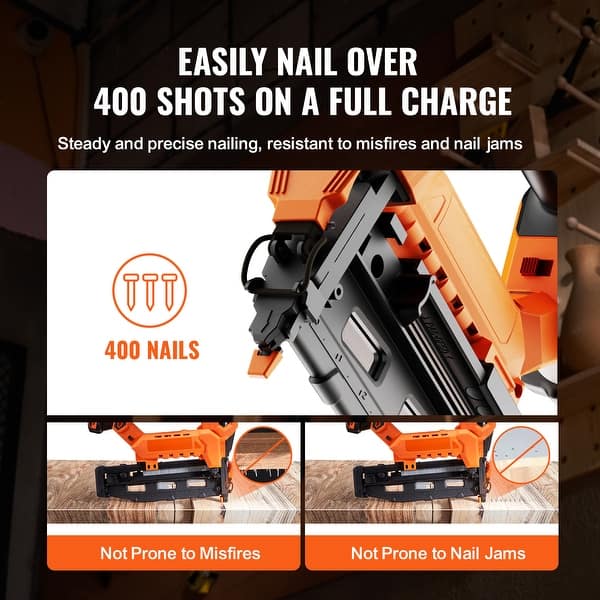
Credit: www.bedbathandbeyond.com
Safety Precautions
Safety is the top priority when using a framing nailer. Taking the right precautions helps avoid accidents and misfires. Proper safety steps protect you and others around you. This section covers key safety measures for using a framing nailer safely.
Wearing Protective Gear
Always wear safety glasses to protect your eyes from flying nails or debris. Hearing protection is important because framing nailers make loud noises. Gloves help protect your hands from sharp nails and splinters. Wear sturdy shoes to protect your feet from falling objects. Protective gear reduces the chance of injury during use.
Safe Handling Practices
Keep your finger off the trigger until you are ready to nail. Hold the nailer firmly to maintain control and reduce recoil. Point the tool away from yourself and others at all times. Never bypass safety features like the trigger lock or contact tip. Inspect the nailer before use to ensure it works properly. Follow all manufacturer instructions carefully for safe operation.
Credit: www.flcaulfield.com
Frequently Asked Questions
What Causes Misfires In A Framing Nailer?
Misfires often occur due to low air pressure, dirty components, or incorrect nail size. Regular maintenance and proper settings prevent these issues effectively.
How Can I Maintain My Framing Nailer To Avoid Misfires?
Clean the nailer regularly, lubricate moving parts, and check air pressure. Using the correct nails also reduces misfire risks significantly.
Why Is Air Pressure Important For Framing Nailer Performance?
Proper air pressure ensures nails drive fully without jamming. Too low or too high pressure causes misfires and damages the tool.
Can Using Wrong Nails Lead To Framing Nailer Misfires?
Yes, using nails that don’t match your nailer’s specifications often causes jams and misfires. Always use recommended nail sizes and types.
Conclusion
Avoiding misfires with a framing nailer keeps your work smooth and safe. Always check your nails and tool before starting. Use the right pressure and angle for each nail. Clean and maintain your nailer regularly to prevent jams. Practice steady, controlled movements for better results.
These simple steps help you finish projects faster and with less frustration. Stay careful and focused to make your framing work strong and reliable.

Michael Harris is an experienced woodworker and power tool expert with over 12 years in woodworking. Specializing in functional, high-quality furniture, he offers expert advice on tool selection, maintenance, and sharpening for both beginners and professionals.