How to Control a Jigsaw for Precise Cuts: Expert Tips Revealed
If you want clean, precise cuts with your jigsaw, mastering control is key. You might have felt frustrated when your cuts come out uneven or rough.
But what if you could change that with a few simple techniques? You’ll discover how to handle your jigsaw like a pro, making every cut smooth and accurate. Keep reading, and you’ll learn the secrets to improving your skills and getting the perfect results every time.
Choosing The Right Jigsaw
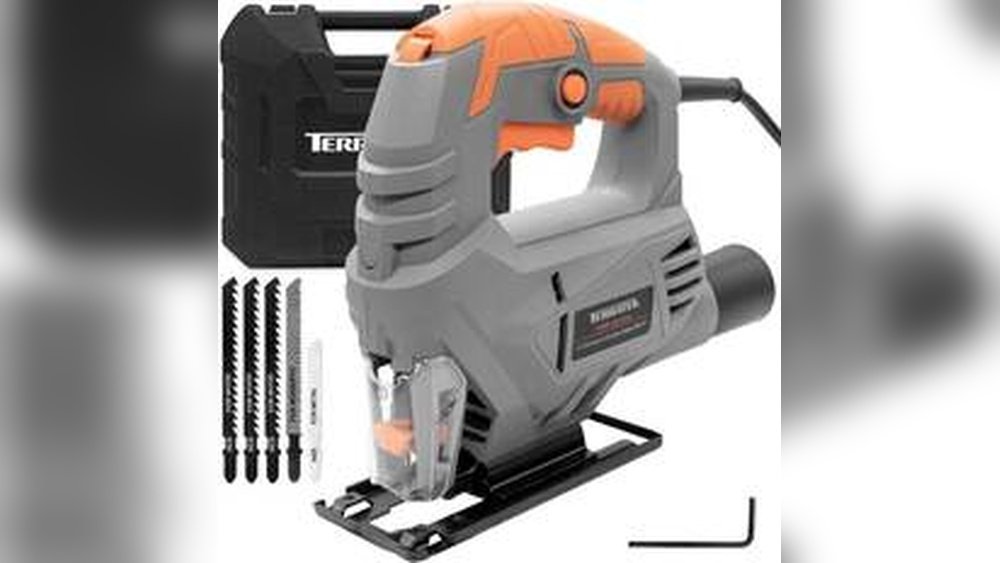
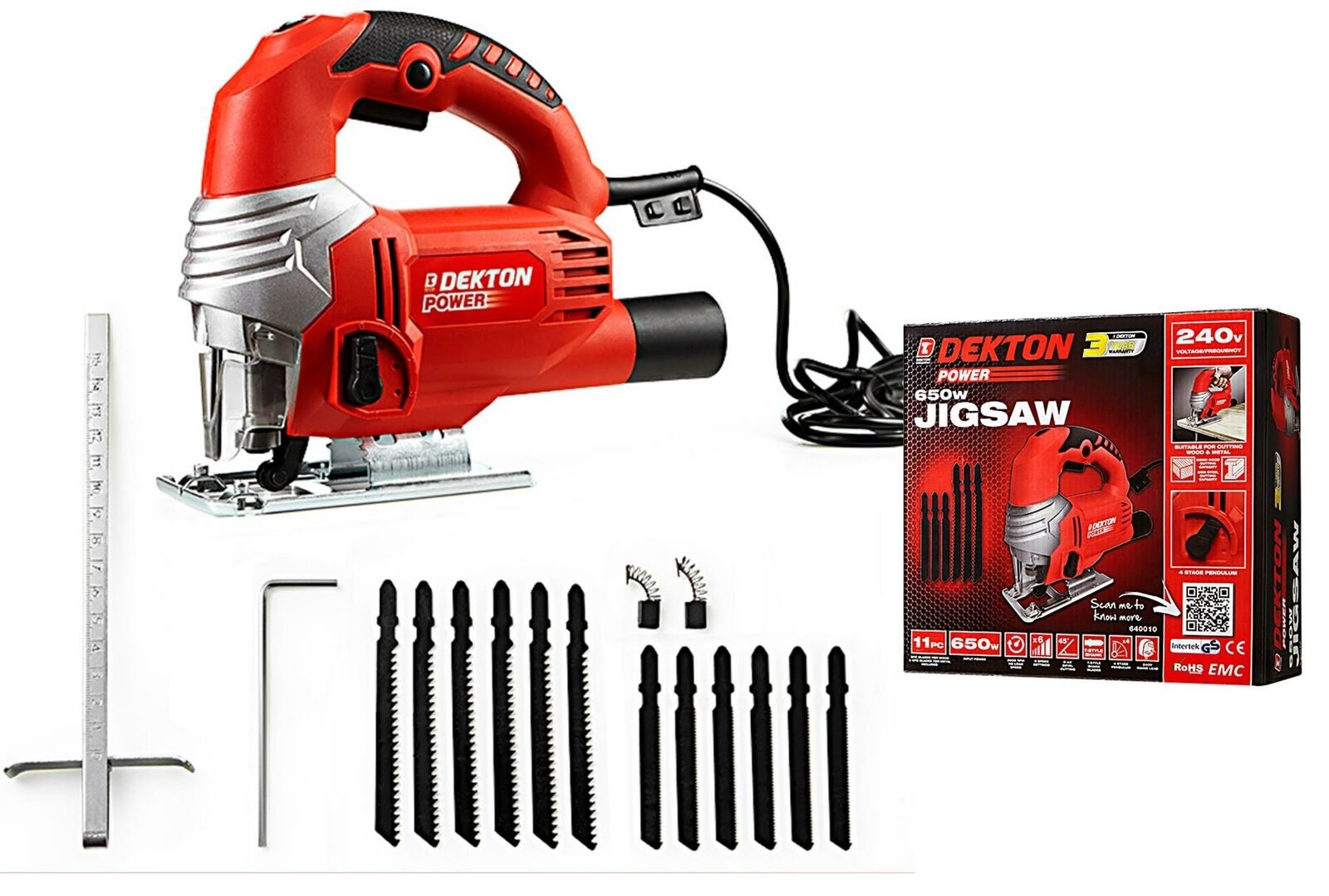
Choosing the right jigsaw is important for making precise cuts. The right tool helps you control the blade and follow your cutting line. Different jigsaws have different features. Knowing these features makes your work easier and more accurate.
Types Of Jigsaws
There are two main types of jigsaws: corded and cordless. Corded jigsaws provide constant power. They are good for long jobs without stopping. Cordless jigsaws offer freedom to move. They work well in places without power outlets.
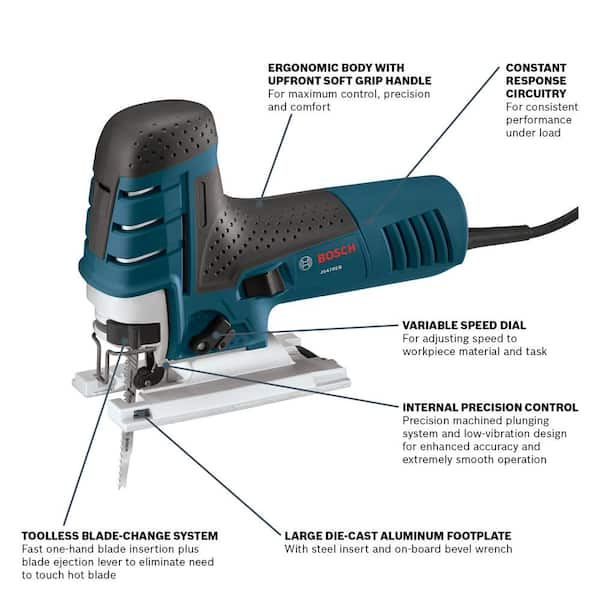
Some jigsaws have variable speed control. This feature helps adjust the blade speed for different materials. Orbital action jigsaws move the blade in a slight forward motion. This makes cutting faster but less smooth. Straight-cut jigsaws give a cleaner finish.
Blade Selection Tips
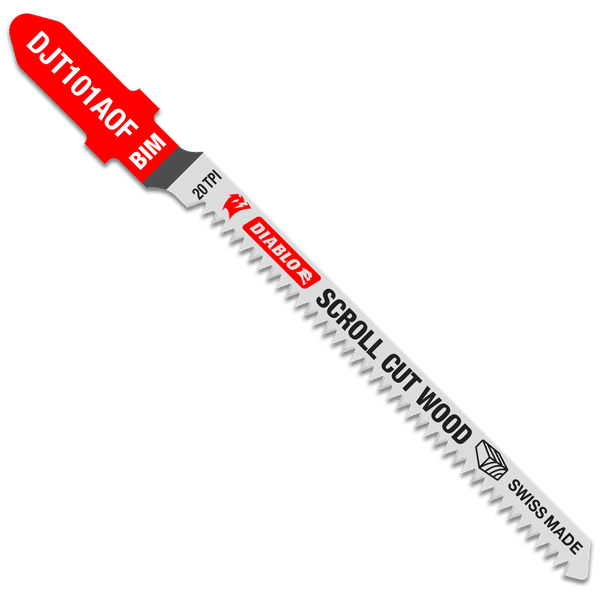
Choose the right blade for your material. Use fine-toothed blades for smooth cuts in wood or metal. Coarse blades cut faster but rougher. For curves, use narrow blades. They bend easily and follow tight lines.
Check the blade length and thickness. Longer blades cut thicker materials. Thinner blades make precise cuts but can break easily. Always match the blade type with your jigsaw’s model. This ensures proper fitting and safe use.
Credit: martinscastro.pt
Preparing Your Workspace
Preparing your workspace is the first step to making precise cuts with a jigsaw. A clean, organized area helps you focus and work safely. It also prevents mistakes and accidents. Setting up your space right can improve your cutting accuracy.
Securing The Material
Hold the material firmly before cutting. Use clamps or a vise to keep it still. Moving wood or metal can ruin your cut. It also can cause the jigsaw to slip. Place the clamps away from the cutting line. This gives you full access to the area you want to cut.
Safety Measures
Wear safety glasses to protect your eyes from dust and debris. Use ear protection if the jigsaw is loud. Clear the workspace of loose tools and objects. Keep your hands away from the blade. Check the jigsaw’s power cord for damage before use. Make sure your work area has good lighting to see clearly.
Mastering Jigsaw Handling
Handling a jigsaw with skill makes cutting easier and more accurate. Understanding the right grip and control of speed helps you work safely. It also improves your ability to follow cutting lines closely. This section focuses on essential techniques to hold and control the jigsaw properly.
Proper Grip Techniques
Hold the jigsaw firmly with both hands. Keep your dominant hand on the main handle. Use your other hand to guide the front or side of the tool. This steady grip reduces vibrations and keeps the blade on track. Avoid gripping too tightly; a relaxed hold improves control.
Controlling Speed And Pressure
Start cutting at a slow speed to maintain control. Increase speed only after the blade has started the cut. Apply gentle pressure, letting the blade do the work. Pushing too hard can bend the blade and cause mistakes. Smooth, steady pressure helps create clean, precise cuts.
Credit: www.homedepot.com
Techniques For Accurate Cuts
Cutting with a jigsaw needs control and focus. Precise cuts make your project look clean and professional. Using the right techniques helps you cut exactly on the line. These tips improve your accuracy and reduce mistakes.
Practice is important. But using simple methods can guide your hand and the tool better. Below are two key techniques to help you cut with confidence and precision.
Guiding The Jigsaw Along The Line
Start by marking your cut line clearly on the material. Use a pencil or marker that shows well. Hold the jigsaw firmly with both hands. Keep the shoe of the jigsaw flat on the surface. Move the saw slowly along the line. Let the blade do the cutting without forcing it. Look at the line, not the blade. Follow the line steadily to avoid wandering off. Stop and adjust if the saw veers away. Smooth, steady motion gives the best results.
Using Guide Accessories
Guide accessories help keep the jigsaw straight. A guide fence attaches to the jigsaw base. It runs along the edge of the material. This stops the saw from moving sideways. Clamps can hold a straight edge in place. The straight edge acts as a track for the guide. Use these tools for long, straight cuts. They reduce hand shakiness and improve accuracy. Guides are especially helpful for beginners and complex cuts.
Troubleshooting Common Issues
Using a jigsaw for precise cuts can be challenging. Some common problems affect your results and slow you down. Fixing these issues helps you cut smoothly and accurately.
Dealing With Blade Drift
Blade drift happens when the jigsaw blade moves away from the line. It can ruin your cut and waste material. To stop this, check that the blade is sharp and tight. A dull or loose blade bends easily. Use the right blade type for your material. Hold the jigsaw steady and push it gently forward. Avoid forcing the tool. Also, keep your cutting speed slow and even. This helps the blade stay on track.
Preventing Tear-out
Tear-out causes rough edges and splinters along the cut. It makes the project look messy. To prevent tear-out, place painter’s tape over the cut line. This supports the wood surface. Cut from the good side of the material. Use a blade with fine teeth for cleaner cuts. Lower the speed of the jigsaw for delicate cuts. Support the piece well to stop vibrations. These steps help keep your cut edges smooth.
Credit: www.diablotools.com
Maintenance For Optimal Performance
Maintaining your jigsaw is key for clean, precise cuts. Proper care keeps the tool sharp and reliable. Regular maintenance extends the life of your jigsaw and improves safety. A well-maintained jigsaw performs better and feels easier to handle.
Blade Care And Replacement
Check the blade before every use. Dull blades cause rough cuts and strain the motor. Replace blades that are bent, chipped, or worn out. Use blades made for the material you cut. Keep blades sharp by using a blade sharpener or replacing them regularly. Proper blade care improves cutting accuracy and reduces mistakes.
Cleaning And Storage Tips
Clean your jigsaw after each use. Remove sawdust and debris from vents and moving parts. Use a brush or compressed air for thorough cleaning. Wipe the exterior with a dry cloth to prevent rust. Store the jigsaw in a dry, cool place. Avoid damp areas to protect the motor and metal parts. Proper storage keeps the jigsaw ready and safe for the next job.
Frequently Asked Questions
How Do I Hold A Jigsaw For Precise Cuts?
Hold the jigsaw firmly with both hands for better control. Keep your wrist straight and guide the saw steadily along the cut line. Avoid forcing the tool; let the blade do the work for smooth, accurate cuts.
What Speed Setting Is Best For Jigsaw Cutting?
Use a slower speed for hardwood and a faster speed for softwood or plywood. Adjust speed based on material density to avoid blade damage and ensure clean, precise cuts.
How Can I Prevent Jigsaw Blade Bending?
Use the right blade type and thickness for your material. Avoid applying excessive pressure and keep the saw steady. A sharp, high-quality blade reduces bending and improves cut accuracy.
What Safety Tips Improve Jigsaw Control?
Wear safety goggles and keep fingers away from the blade. Secure your workpiece firmly. Maintain a steady grip and keep the cord clear to avoid distractions and accidents while cutting.
Conclusion
Controlling a jigsaw well leads to cleaner, accurate cuts. Take your time and guide the tool steadily. Keep your focus on the cutting line and adjust speed as needed. Practice helps you gain confidence and skill over time. Use safety gear to protect yourself during every project.
With patience and care, your work will look professional and neat. Try these tips on your next woodworking task for better results. Precision is within reach with simple, steady steps.
Michael Harris is an experienced woodworker and power tool expert with over 12 years in woodworking. Specializing in functional, high-quality furniture, he offers expert advice on tool selection, maintenance, and sharpening for both beginners and professionals.