How to Use a Circular Saw Safely: Essential Tips for Beginners
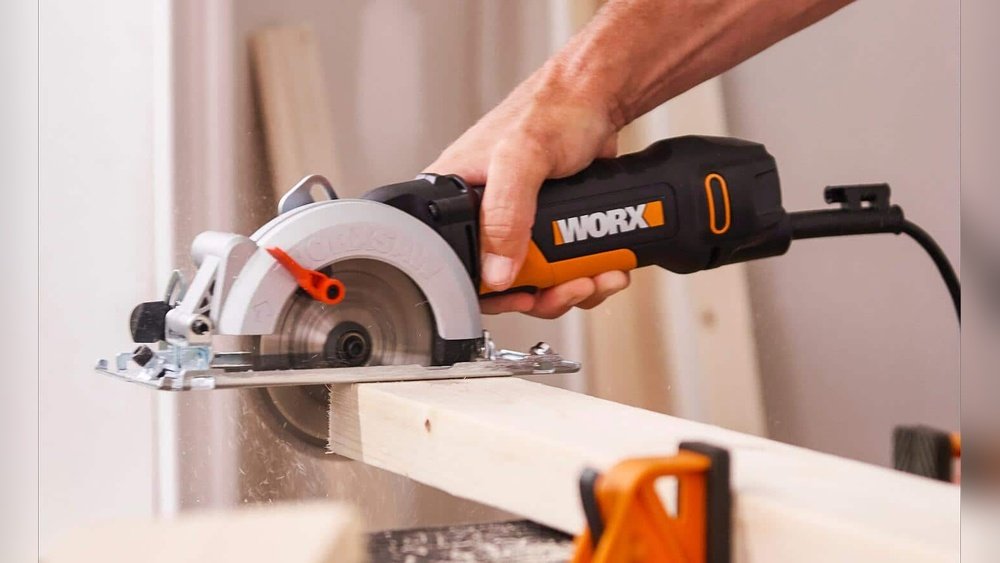
Using a circular saw can make your cutting tasks faster and easier. But if you’re not careful, it can also be dangerous.
You want to protect yourself and get the job done right. This guide will show you exactly how to use a circular saw safely. By following a few simple steps, you’ll avoid accidents and feel confident every time you pick up the tool.
Keep reading to learn the tips that can keep your hands steady and your work smooth. Your safety and success start here.
Choosing The Right Circular Saw
Choosing the right circular saw is key for safe and effective work. The right tool helps you cut smoothly and avoid accidents. Each saw type fits different tasks and skill levels. Knowing the best saw for your project saves time and keeps you safe.
Types Of Circular Saws
There are several types of circular saws. Sidewinder saws are light and easy to handle. Worm drive saws have more power and are good for heavy work. Cordless saws offer freedom of movement. Choose the type that suits your job and comfort.
Blade Selection
Selecting the correct blade is important. Blades vary by size, teeth count, and material. More teeth create smoother cuts. Fewer teeth cut faster but rougher. Use blades designed for the material you cut, like wood or metal.
Safety Features To Look For
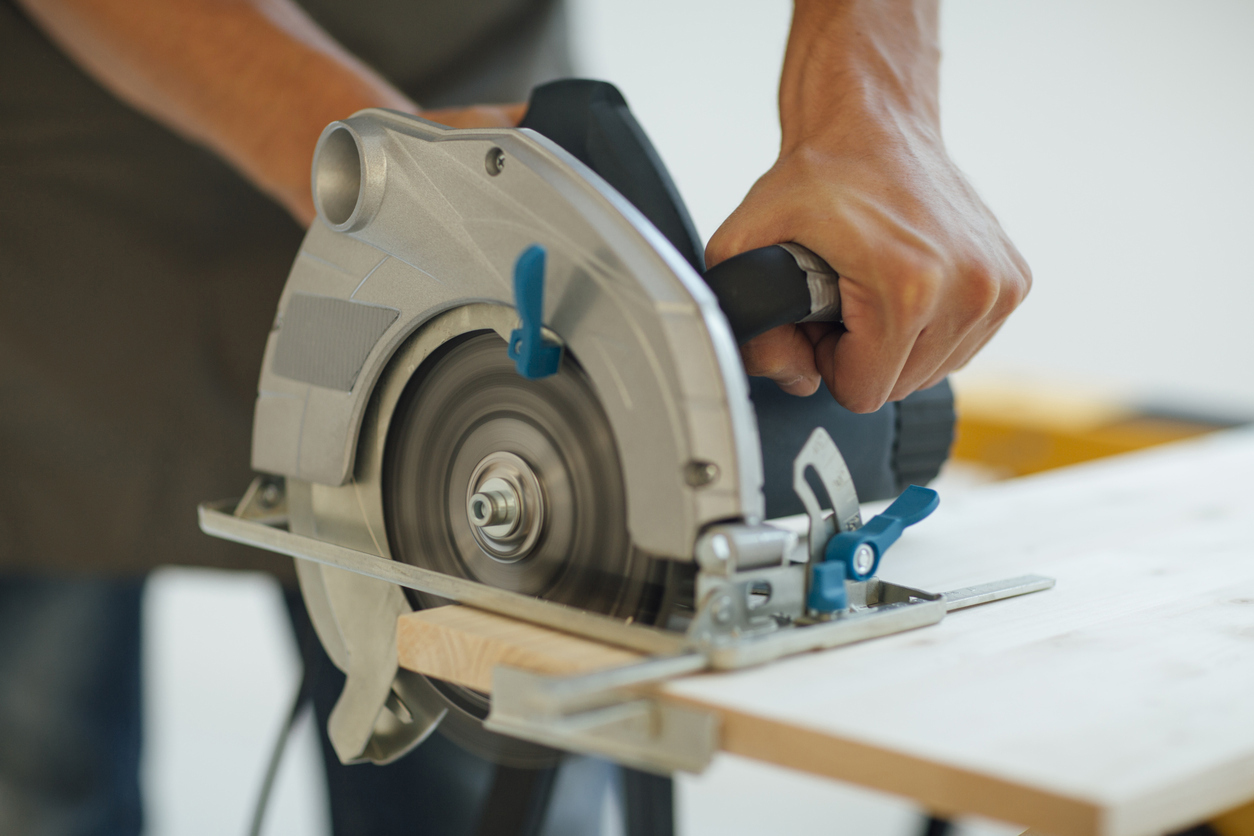
Safety features protect you during use. Look for blade guards that cover the blade when not cutting. Electric brakes stop the blade quickly after release. A safety switch prevents accidental starts. These features reduce injury risks and improve control.
Credit: osb.westfraser.com
Preparing For Safe Operation
Preparing for safe operation is the first step to using a circular saw correctly. It reduces the risk of accidents and ensures smooth work. Before turning on the saw, spend time setting up and checking your tools and space.
Inspecting The Saw And Blade
Look over the circular saw carefully. Check for any cracks or damage on the body. Make sure the blade is sharp and clean. A dull blade can cause the saw to bind or kick back. Tighten the blade securely to avoid wobbling. Test the safety guard to see if it moves freely. Replace any worn or broken parts before starting work.
Setting Up Your Work Area
Clear the area of clutter, dust, and loose objects. Arrange your workpiece on a stable surface. Use clamps to hold the material firmly in place. Ensure you have enough light to see the cutting line. Keep the power cord away from the cutting path. Maintain a dry floor to prevent slipping or tripping.
Wearing Proper Safety Gear
Wear safety glasses to protect your eyes from flying debris. Use ear protection to guard your hearing. Put on gloves to improve grip but keep them tight to avoid catching. Dress in close-fitting clothes to prevent loose fabric from getting caught. Avoid wearing jewelry or anything that could snag on the saw. Proper gear keeps you safe during every cut.
Basic Cutting Techniques
Basic cutting techniques form the foundation for safe circular saw use. They help ensure accurate cuts and reduce accidents. Understanding these steps makes your work smoother and safer. Focus on precision and control at all times.
Marking Your Cut Line
Start by measuring the material carefully. Use a pencil or chalk to draw a clear, straight line. Check the line twice before cutting. This guide helps keep your cut accurate. Avoid cutting without a visible mark.
Proper Saw Grip And Stance
Hold the saw firmly with both hands. Keep your fingers away from the blade. Stand with feet shoulder-width apart for balance. Face the cutting line directly. This stance reduces the risk of slips or falls.
Starting And Finishing Cuts Safely
Place the blade just off the material before starting. Turn on the saw and wait for full speed. Guide the saw slowly along the line. Do not force it through the wood. At the end, release the trigger before lifting the saw away.

Credit: www.youtube.com
Avoiding Common Hazards
Using a circular saw can be risky without proper care. Avoiding common hazards keeps you safe and your work clean. Focus on key safety steps to reduce accidents. Pay close attention to the saw’s behavior and your surroundings.
Preventing Kickback
Kickback happens when the saw blade suddenly jumps back toward you. It can cause serious injury. Hold the saw firmly with both hands. Keep the blade sharp and clean for smooth cuts. Avoid cutting twisted or warped wood. Always stand to the side, not behind the saw. Use a saw with an anti-kickback device if possible.
Managing Wood Movement
Wood can shift during cutting, causing loss of control. Secure the wood firmly with clamps or a stable workbench. Support long pieces to prevent bending or pinching the blade. Feed the saw slowly and steadily into the wood. Watch for any sudden changes in wood position. Proper support reduces the chance of accidents.
Handling Power Cord And Battery Safety
Power cords can trip or cut if not managed well. Keep the cord away from the cutting area. Use cordless saws with fully charged batteries to avoid interruptions. Inspect cords and batteries regularly for damage. Replace damaged parts before use. Turn off the saw and unplug or remove the battery before adjustments or blade changes.
Maintaining Your Circular Saw
Maintaining your circular saw is essential for safe and smooth operation. Regular care keeps the tool running well. It also helps avoid accidents caused by faulty parts or poor performance.
Proper maintenance extends the life of your saw. It ensures every cut is precise and safe. Spend time checking and caring for your saw before each use.
Cleaning And Lubrication
Keep your circular saw clean after every job. Remove sawdust and debris from the blade and motor area. Use a dry brush or compressed air to clear tight spots.
Lubricate moving parts lightly with oil. This reduces friction and prevents rust. Avoid over-lubricating to stop dirt buildup.
Blade Sharpening And Replacement
Dull blades cause poor cuts and increase risk. Check the blade edges often. Sharpen blades using a file or take them to a professional.
Replace blades if they are chipped or worn out. Use blades made for your saw model. Sharp blades improve safety and efficiency.
Regular Safety Checks
Inspect the saw’s safety features before each use. Test the blade guard to ensure it moves freely. Check the power cord for cuts or damage.
Tighten loose screws and bolts. Confirm the saw’s base plate is secure. These checks prevent accidents and keep the saw reliable.
Credit: www.homedepot.com
Tips For Advanced Safety
Advanced safety tips help you work smarter and safer with a circular saw. They reduce risks and improve control. These tips are useful once you know the basic steps well. Focus on precision and readiness to handle unexpected situations.
Using Guides And Clamps
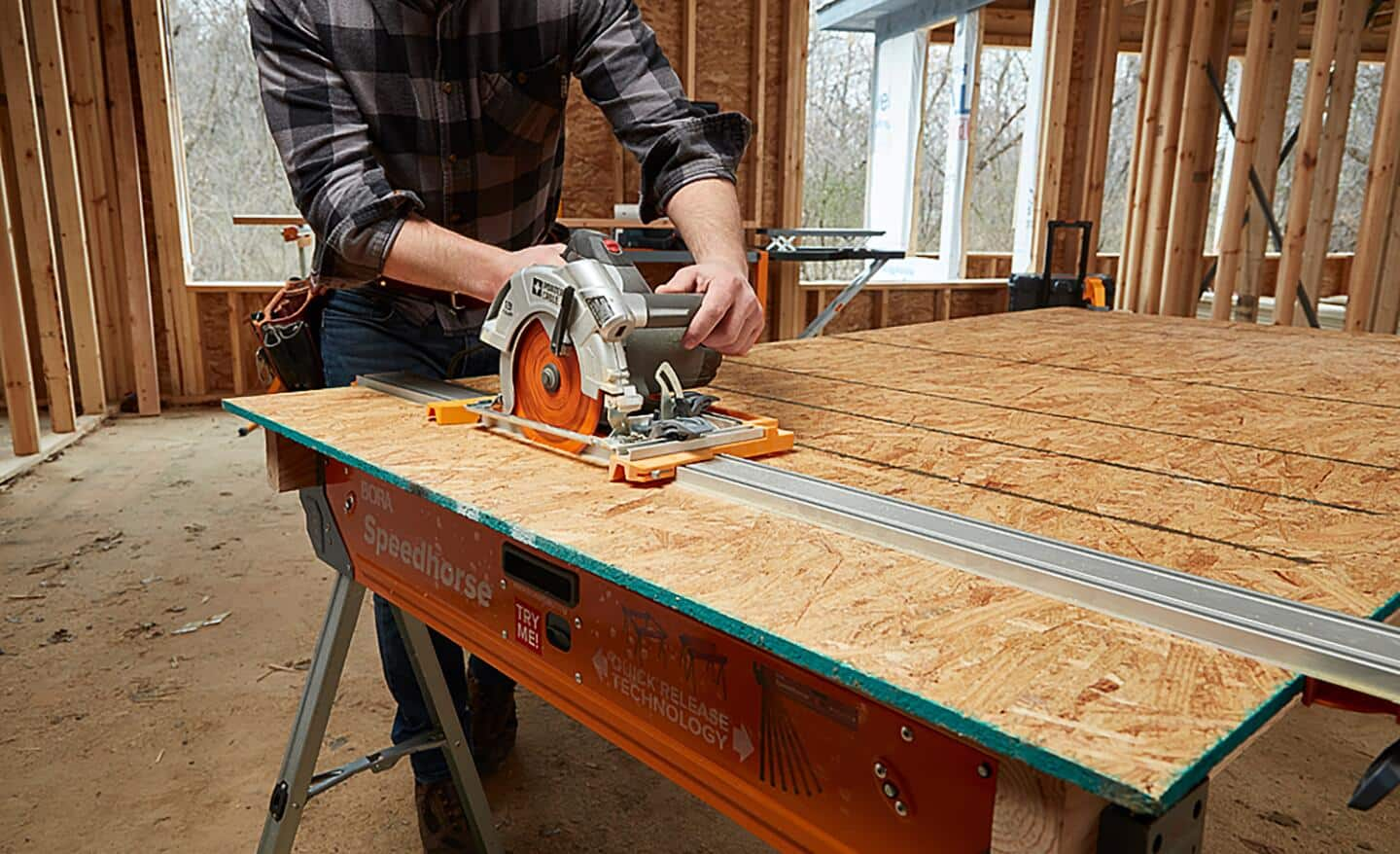
Guides keep your cuts straight and steady. They prevent the saw from slipping off the line. Use clamps to hold the guide and the material firmly. This stops movement during cutting. Clamps also free both hands to control the saw better. Choose strong clamps that fit your work surface.
Working With Different Materials
Different materials need different approaches. Wood cuts easily, but metal or plastic require slower, steady cutting. Use the right blade for each material type. Check blade sharpness before starting. Avoid forcing the saw through hard materials. Let the blade do the work to prevent kickback or damage.
Emergency Procedures
Prepare for emergencies before you start cutting. Know where the power switch is and how to turn it off quickly. Keep a first aid kit nearby. Learn basic first aid for cuts and splinters. Stay calm and stop work immediately if something goes wrong. Call for help if needed and never try to fix the saw while it’s plugged in.
Frequently Asked Questions
What Safety Gear Is Essential When Using A Circular Saw?
Always wear safety goggles, hearing protection, and gloves. Use a dust mask to avoid inhaling sawdust. Proper footwear and tight-fitting clothing reduce accident risks.
How Do I Properly Secure Materials Before Cutting?
Clamp the material firmly to a stable surface. This prevents movement during cutting. Avoid holding the material by hand for safety.
What Is The Correct Way To Hold A Circular Saw?
Use both hands to grip the saw firmly. Keep your hands away from the blade. Maintain a balanced stance to control the tool safely.
How Can I Prevent Kickback When Using A Circular Saw?
Ensure the blade is sharp and properly aligned. Avoid twisting the saw during cuts. Let the saw reach full speed before cutting.
Conclusion
Using a circular saw safely protects you from serious injuries. Always wear protective gear like goggles and gloves. Keep your hands clear from the blade at all times. Check the saw before use to ensure it works well. Cut slowly and follow the marked lines carefully.
Stay focused and avoid distractions during work. By following these simple steps, you can complete your projects safely. Safety is key to enjoying your woodworking tasks without trouble. Stay alert, use caution, and work smart with your circular saw.

Michael Harris is an experienced woodworker and power tool expert with over 12 years in woodworking. Specializing in functional, high-quality furniture, he offers expert advice on tool selection, maintenance, and sharpening for both beginners and professionals.