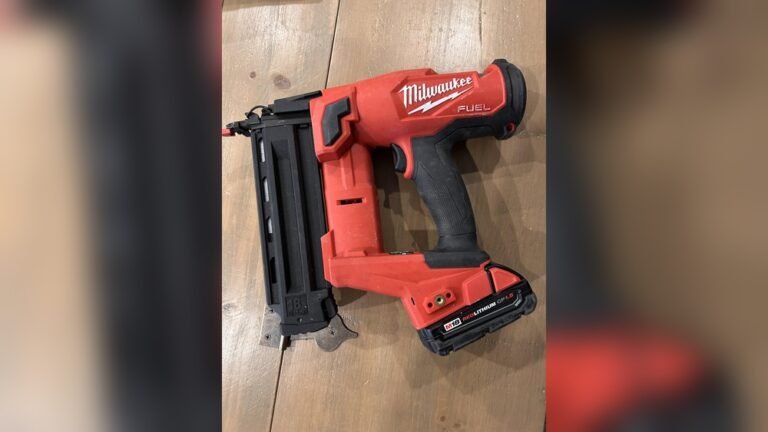
If you want your brad nailer to work smoothly every time, you need to take good care of it. Ignoring simple maintenance can lead to jams, poor performance, and costly repairs.
But don’t worry—keeping your brad nailer in top shape is easier than you think. You’ll discover easy steps that save you time and money while making sure your tool lasts for years. Ready to get the most out of your brad nailer?
Let’s dive in.
Choosing The Right Brad Nailer
Choosing the right brad nailer sets the foundation for how well you maintain it later. Picking a tool that fits your needs makes upkeep easier and ensures it lasts longer. Before you buy, think about what projects you’ll tackle and how often you’ll use the nailer.
Types Of Brad Nailers
Brad nailers come in different types based on their power source. Each type has its strengths and maintenance needs.
- Air-powered (Pneumatic): These require an air compressor. They are powerful and fast but need regular oiling and compressor care. I once skipped oiling mine, and it jammed during a big project, wasting time and patience.
- Electric: Corded models offer consistent power without needing air compressors. They require less maintenance but can be less portable.
- Battery-powered (Cordless): These give you freedom to move around. Battery care becomes part of the maintenance routine here—keep batteries charged and stored properly.
Which type fits your workspace and project style? Your answer will help you keep your brad nailer in top shape.
Key Features To Look For
Picking a brad nailer with the right features can reduce maintenance hassles. Look for models with easy jam clearing mechanisms. They save you from frustrating stops to fix stuck nails.
Adjustable depth control is another must-have. It lets you set nail depth precisely, reducing wear on internal parts.
Consider the nailer’s weight and grip comfort too. A lightweight, ergonomic design means you’ll handle it better and avoid dropping it—one of the fastest ways to cause damage.
Does the nailer have a tool-free reload system? This feature speeds up your work and means fewer parts to fuss with during reloads.
Choosing your brad nailer carefully makes maintenance straightforward. A tool that suits your work style encourages you to keep it clean, lubricated, and ready to go every time.
Essential Tools For Maintenance
Maintaining your brad nailer keeps it working well and lasts longer. Using the right tools for cleaning and lubrication is important. These tools help remove dirt and keep parts moving smoothly. Proper care prevents jams and damage during use.
Cleaning Supplies
Clean your brad nailer regularly to stop dust buildup. Use a soft brush or compressed air to clear debris. A small cloth helps wipe down surfaces and remove grease. Avoid harsh chemicals that can damage the tool’s finish. Keeping the nailer clean ensures it works safely and correctly.
Lubricants And Oils
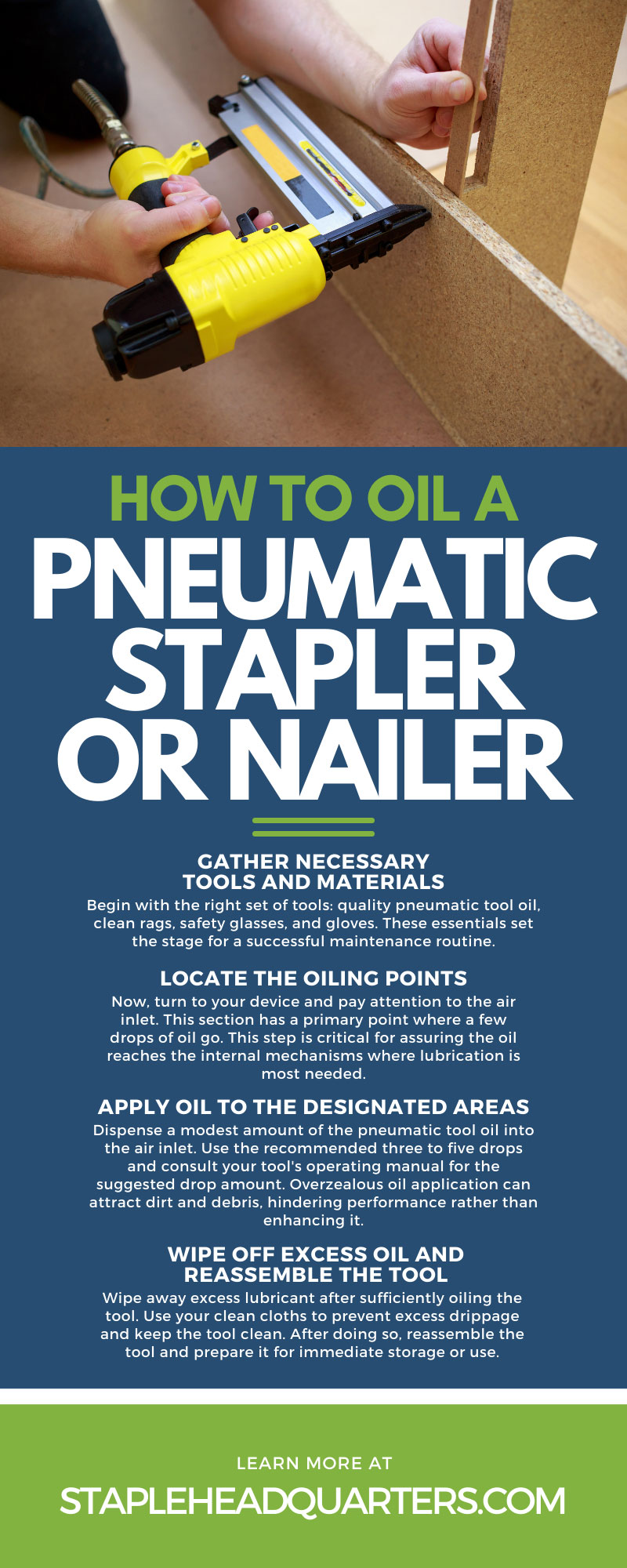
Lubricate your brad nailer to keep parts moving without friction. Use light machine oil or tool-specific lubricants for best results. Apply a few drops to the moving parts after cleaning. Avoid over-oiling, which can attract more dirt. Regular lubrication prevents rust and keeps the nailer smooth.
Routine Cleaning Steps
Routine cleaning keeps your brad nailer working well and lasting longer. Dirt and dust can cause jams and reduce its power. Regular care helps avoid costly repairs and saves time. Follow these simple steps to clean your tool properly.
Disassembling The Nailer
Start by unplugging or removing the battery. Use the manual to find screws or clips. Carefully open the body without forcing parts. Keep small pieces in a safe place. This step gives access to internal parts for cleaning.
Removing Dust And Debris
Use a soft brush to clear dust inside and outside. Blow air gently into tight spaces to remove dirt. Avoid using water or harsh chemicals. Dust and debris block moving parts and cause jams.
Cleaning The Magazine And Nosepiece
Check the magazine where the nails sit. Remove stuck nails or dirt carefully. Wipe the nosepiece with a dry cloth to clear residue. Clean parts help nails feed smoothly and improve performance.

Credit: www.reddit.com
Lubrication Tips
Lubrication is key to keeping your brad nailer working smoothly. Proper oiling reduces wear and tear. It stops parts from sticking or jamming. Regular lubrication also helps your tool last longer and perform better.
Where And How To Apply Oil
Apply oil to the air inlet before each use. Put a few drops of oil directly into the inlet. This keeps the internal parts moving freely. Avoid over-oiling, which can cause dirt build-up. Lightly oil the moving parts like the driver blade and piston. Use a clean cloth to spread oil evenly. Check the manual for specific spots to oil. Always wipe off any extra oil to prevent mess.
Recommended Lubricants
Use pneumatic tool oil made for air tools. This oil resists heat and pressure well. Avoid using motor oil or WD-40. They can damage your brad nailer’s seals. A few drops of pneumatic oil keeps parts lubricated and clean. Keep a small bottle of this oil near your workspace. Change the oil type only if the manual suggests it. Proper oil ensures smooth firing and fewer jams.
Inspecting And Replacing Parts
Keeping your brad nailer in good shape means checking its parts often. Regular inspection helps find small problems early. Fixing or changing parts keeps the tool working well and lasts longer. This section guides you on how to inspect and replace parts safely and correctly.
Checking For Wear And Tear
Start by looking at all moving parts. Check the nailer’s tip for dents or cracks. Inspect the trigger and safety mechanisms for smooth action. Look for worn-out seals or o-rings. These parts can cause air leaks and poor performance. Examine the magazine for bent or broken pieces. Clean dirt and dust from all areas. Use a flashlight to spot hidden damage. Replace any part that looks weak or broken. Regular checks prevent bigger problems later.
Replacing Worn Components
Use the right tools and parts from the manufacturer. Remove old seals, o-rings, or springs carefully. Follow the manual for each step. Fit new parts exactly as shown. Test the nailer after replacing parts to ensure it works well. Don’t force parts into place to avoid damage. Keep spare parts ready for quick fixes. Proper replacement saves time and keeps your nailer safe.

Credit: www.youtube.com
Proper Storage Practices
Proper storage is key to keeping your brad nailer working well. Storing it right stops damage and extends its life. Clean the tool before putting it away. Remove any nails and dust. Store the nailer in a case or toolbox to avoid dirt and damage.
Protecting From Moisture
Moisture can cause rust and harm your brad nailer. Keep it dry at all times. Use silica gel packs in the storage case to absorb moisture. Avoid storing the tool in damp places like basements. Wipe the nailer with a dry cloth if it gets wet. A dry tool works better and lasts longer.
Safe Storage Locations
Choose a safe place for your brad nailer. A shelf or cabinet is a good choice. Keep it out of reach of children. Avoid places with extreme heat or cold. These conditions can damage the tool’s parts. Store it where you can find it easily for your next project.
Troubleshooting Common Issues
Brad nailers are useful tools but sometimes they face problems. Troubleshooting common issues helps keep your tool working well. Knowing how to fix simple problems saves time and frustration. This guide covers two main issues: nail jams and misfires. Follow easy steps to get your brad nailer back to work quickly.
Fixing Jams
Nail jams happen when nails get stuck inside the tool. First, unplug or remove the battery for safety. Open the magazine to check for stuck nails. Use pliers to gently pull out any jammed nails. Clear dirt or debris inside the magazine with a brush. Close the magazine firmly before testing the nailer again. Regular cleaning helps prevent future jams.
Addressing Misfires
Misfires occur when nails do not shoot properly. Check the air pressure or battery charge. Low power can cause weak nail shots. Make sure you use the right size and type of nails. Clean the trigger and contact tip to remove dust. Tighten any loose parts that might affect firing. Test the nailer after each fix to ensure it works well.
Safety Tips During Maintenance
Maintaining your brad nailer safely protects you and your tool. Follow simple rules to avoid accidents. Safety during maintenance keeps your work smooth and problem-free. Always prepare your workspace before starting any task. A clean area lowers the risk of injury.
Using Protective Gear
Wear safety glasses to guard your eyes from debris. Gloves protect your hands from sharp parts and nails. Use ear protection if your workspace is noisy. Proper gear reduces the chance of cuts and bruises. Always keep your gear clean and in good shape.
Handling Tools Safely
Unplug or remove the battery before maintenance. This stops the nailer from firing by mistake. Use the correct tools for tightening or cleaning parts. Avoid forcing components to prevent damage. Store tools in a safe place after use to avoid trips or falls.
Credit: www.stapleheadquarters.com
Frequently Asked Questions
How Often Should I Clean My Brad Nailer?
Clean your Brad Nailer after every use or at least monthly. Regular cleaning removes dust and debris, preventing jams and ensuring smooth operation. Use compressed air and a soft brush for thorough cleaning.
What Type Of Oil Is Best For Brad Nailer Maintenance?
Use pneumatic tool oil designed for air-powered tools. Apply a few drops to the air inlet to lubricate internal parts. Avoid using heavy oils, as they can cause clogging and damage.
How Do I Prevent My Brad Nailer From Jamming?
Keep the nailer clean and lubricated. Use the correct nail size and avoid overloading the magazine. Regularly inspect and replace worn or damaged parts to ensure reliable performance.
When Should I Replace Parts In My Brad Nailer?
Replace parts like O-rings, seals, and springs when you notice decreased performance or leaks. Regular inspection every few months helps identify worn components before major issues occur.
Conclusion
Taking care of your brad nailer keeps it working well for years. Clean it often to avoid jams and rust. Check nails and parts before each use. Store it in a dry place to protect from damage. Small steps can save you time and money later.
Keep your tool ready for any project. Simple care makes a big difference.
Michael Harris is an experienced woodworker and power tool expert with over 12 years in woodworking. Specializing in functional, high-quality furniture, he offers expert advice on tool selection, maintenance, and sharpening for both beginners and professionals.