


Are you worried about your power tool batteries losing their charge or getting damaged over time? How you store your batteries can make a big difference in their lifespan and performance.
If you want to keep your tools ready to go whenever you need them, it’s important to know the right way to store those batteries safely. You’ll discover simple, practical tips that can protect your investment and save you money.
Keep reading to find out how easy it is to extend the life of your power tool batteries and avoid costly replacements.

Credit: www.justrite.com
Choose The Right Storage Location
Choosing the right place to store power tool batteries is very important. It helps keep batteries safe and working well. The right spot protects batteries from damage and extends their life. Here are some tips to pick the best storage location for your batteries.
Keep Batteries Away From Heat
Heat can harm power tool batteries. High temperatures make batteries lose power faster. Do not store batteries near heaters or in direct sunlight. Even warm rooms can cause damage over time. Find a place that stays cool to keep batteries safe.
Avoid Damp And Humid Areas
Moisture can cause batteries to rust or short circuit. Avoid basements or places that get wet often. Damp air can damage the battery’s internal parts. Store batteries in a dry area to prevent moisture problems.
Select A Cool And Dry Spot
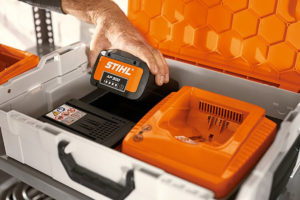
The best storage spot is cool and dry. A closet or a shelf inside the house works well. Keep batteries at room temperature, about 20°C (68°F). This keeps batteries healthy and ready to use.
Credit: blog.stihl.co.uk
Prepare Batteries Before Storage
Preparing power tool batteries before storing them helps keep them safe and healthy. Proper preparation can extend battery life and prevent damage during storage. Taking a few simple steps makes sure your batteries stay ready for use next time.
Charge Batteries Partially
Charge batteries to about 40-60% before storing. Fully charged or fully empty batteries may lose capacity faster. Partial charge keeps the battery balanced and protects its cells. Avoid leaving batteries plugged in for a long time.
Clean Battery Contacts
Wipe the battery contacts gently with a dry cloth. Dirt and dust can cause poor connection and reduce performance. Clean contacts help the battery charge properly. Do not use water or cleaning chemicals on contacts.
Inspect For Damage
Check batteries for cracks, swelling, or leaks. Damaged batteries can be dangerous and should not be stored. Replace any battery that shows signs of wear or damage. Safe batteries last longer and work better.
Use Appropriate Containers
Storing power tool batteries correctly helps keep them safe and lasting longer. Using the right containers prevents damage and avoids accidents. It also keeps batteries organized and easy to find when needed.
Opt For Battery Storage Cases
Battery storage cases are designed to hold batteries securely. They protect from dust, moisture, and impacts. Many cases have separate slots to prevent batteries from touching. This reduces the risk of short circuits or damage.
Avoid Metal Containers
Metal containers can cause electrical shorts. If batteries touch the metal, sparks may occur. These sparks can lead to fires or battery damage. Use plastic or non-conductive containers instead. They keep batteries safe and reduce risks.
Label Batteries Clearly
Labeling batteries helps identify them quickly. Mark the charge status and purchase date on each battery. This avoids confusion and ensures proper use. Clear labels prevent mixing old and new batteries. They also help track battery health over time.
Maintain Battery Health During Storage
Storing power tool batteries properly keeps them working longer. Good care during storage protects battery life and power. Simple steps can keep batteries healthy and ready to use.
Regularly Check Charge Levels
Check battery charge every few weeks. Batteries lose power even when not in use. Keeping them partially charged helps prevent damage. Avoid storing batteries with very low charge.
Avoid Complete Discharge
Never let batteries drain completely. Full discharge can harm battery cells. It lowers the battery’s ability to hold charge. Charge batteries before storing them for a long time.
Rotate Stored Batteries
Use and recharge batteries in rotation. This keeps each battery active and healthy. Rotating prevents some batteries from aging faster. It balances wear and extends overall battery life.
Handle Batteries With Care
Handling power tool batteries with care is important for safety and battery life. Proper care stops accidents and keeps batteries working well for longer. Follow simple steps to protect batteries from damage and hazards.
Prevent Short Circuits
Short circuits can cause sparks and fires. Keep battery terminals covered or in their cases. Avoid placing batteries where metal objects can touch the terminals. Store batteries separately to stop accidental contact.
Keep Away From Flammable Materials
Store batteries away from paper, cloth, and other flammable items. Batteries can heat up and cause fires if near these materials. Use a cool, dry place that is free from anything that can burn.
Avoid Physical Damage
Dropping or crushing batteries can cause leaks or explosions. Handle batteries gently and avoid sharp impacts. Use padded containers or shelves to protect batteries from physical harm.

Credit: cisivistools.com
Dispose Of Old Or Damaged Batteries Safely
Old or damaged power tool batteries can be dangerous if not handled properly. They may leak harmful chemicals or cause fires. Safe disposal protects your home and the environment. Follow simple steps to dispose of these batteries correctly and avoid risks.
Follow Local Disposal Guidelines
Every area has rules for battery disposal. Check with your city or town office for instructions. Some places have special drop-off sites for batteries. Following local laws helps keep communities safe and clean.
Recycle Batteries Properly
Recycling power tool batteries recovers valuable materials. Take them to a recycling center or a store with a battery recycling program. Proper recycling reduces pollution and saves resources. Do not ignore this step—it makes a big difference.
Do Not Throw In Trash
Never throw old batteries in the regular trash. Garbage trucks and landfills are not equipped to handle them safely. Batteries can leak toxic chemicals or catch fire. Always use designated disposal methods to prevent accidents and harm.
Frequently Asked Questions
How Should I Store Power Tool Batteries Safely?
Store power tool batteries in a cool, dry place away from direct sunlight. Keep them at room temperature and avoid extreme heat or cold. Use original cases or insulated containers to prevent damage and short circuits. Always store batteries separately to avoid contact between terminals.
Can Power Tool Batteries Be Stored While Fully Charged?
It’s best to store power tool batteries at about 40-60% charge. Fully charged batteries can degrade faster if left unused. Avoid storing them completely drained as this can cause battery failure. Regularly check and recharge batteries every few months during storage.
What Temperature Is Ideal For Battery Storage?
The ideal storage temperature for power tool batteries is between 40°F and 80°F (4°C to 27°C). Temperatures outside this range can reduce battery lifespan and performance. Avoid freezing or excessive heat to maintain battery health and safety.
Should I Remove Batteries From Tools During Storage?
Yes, always remove batteries from power tools before storing. This prevents accidental activation and reduces the risk of damage or leaks. Removing batteries also allows you to store tools and batteries separately under optimal conditions.
Conclusion
Storing power tool batteries safely protects their life and your tools. Keep batteries dry, cool, and away from metal objects. Avoid extreme temperatures and direct sunlight. Charge them before storage and check regularly for damage. Proper care saves money and prevents accidents.
Simple steps make a big difference. Stay safe and keep your batteries ready for use.

Ms.Sultana
Affiliate Marketer | SEO Specialist | Blogger at Elite Global Marketing Agency
Ms.Sultana brings over 16 years of expertise working with global Clients by providing different skills and Services. For the last 5 years working as an Affiliate marketer, specializing in high-ticket campaigns that drive exponential growth. She holds a degree in Computer Science and Engineering as well as achieved many more skills certificates from different institute/academies/Platform. As part of the Elite Global Marketing team, Sultana has helped clients generate millions in revenue through strategic partnerships, innovative funnels, and data-driven insights. She’s passionate about empowering businesses to scale by connecting them with the right affiliate opportunities.
Explore our resources or connect with us on LinkedIn to stay ahead in affiliate marketing.


