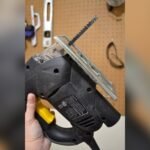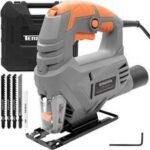
Are you struggling with your jigsaw skipping on wood? It’s frustrating when your tool won’t cut smoothly, wasting time and ruining your project.
But don’t worry—you’re not alone, and this problem has simple fixes. Understanding why your jigsaw skips can save you effort and help you get perfect cuts every time. Keep reading to discover the common reasons behind this issue and how you can quickly solve it to make your woodworking easier and more precise.
Common Reasons For Jigsaw Skipping
Jigsaw skipping on wood can be frustrating and slow down your work. Understanding common causes helps fix the problem fast. Several factors affect the jigsaw’s cutting ability. Knowing these reasons improves your cutting results and tool performance.
Dull Or Incorrect Blade
A dull blade cannot cut wood smoothly. It tends to skip or jump over the material. Using the wrong blade type also causes skipping. Wood needs blades designed specifically for it. Check blade sharpness and type before starting your cut.
Improper Blade Installation
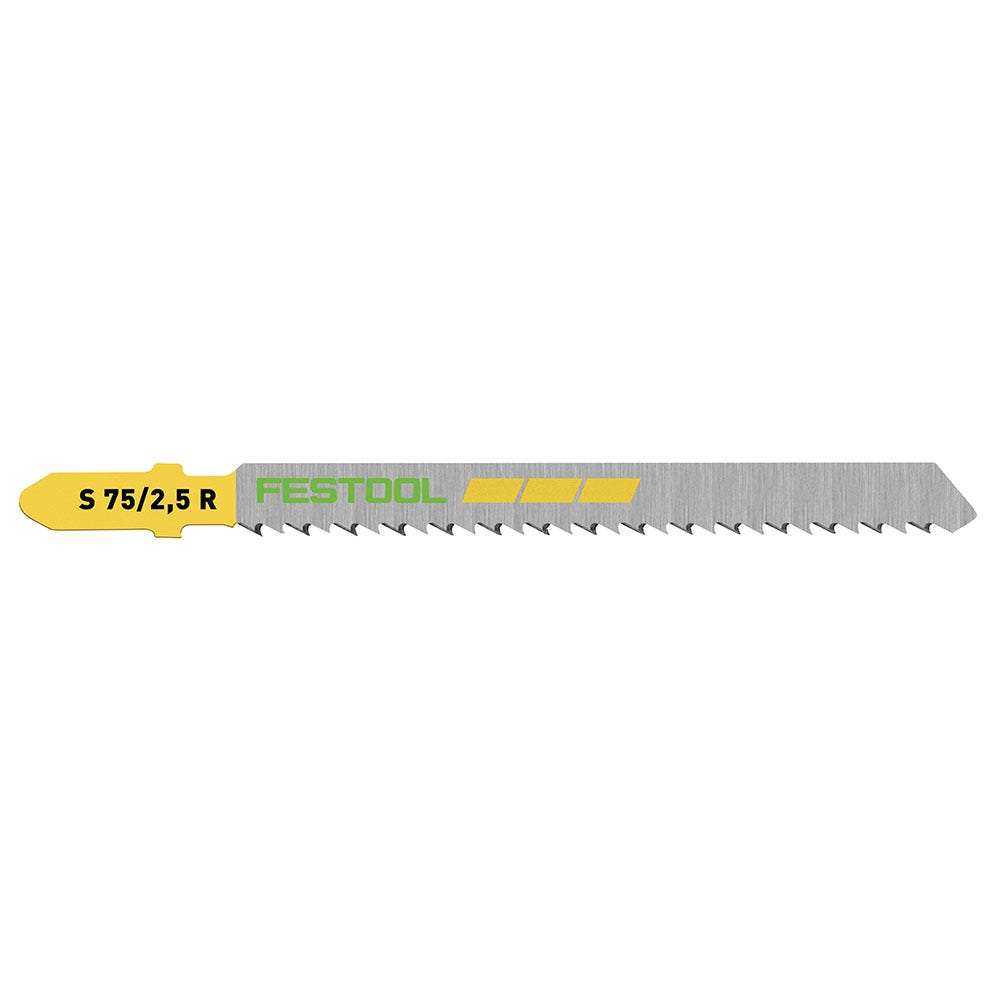
If the blade is not installed correctly, it will wobble. This makes the jigsaw skip or vibrate. Ensure the blade is securely locked in place. The blade teeth should face the right direction for cutting.
Wrong Speed Settings
Speed affects how the blade moves through wood. Too fast can cause the jigsaw to skip. Too slow may burn the wood or stall the blade. Adjust the speed to match the wood type and thickness.
Inadequate Support For Wood
Wood must be well supported during cutting. If it moves or vibrates, the jigsaw skips. Use clamps or a stable workbench to hold the wood firm. Proper support helps the blade cut cleanly without jumping.
Poor Quality Or Damaged Wood
Wood with knots, cracks, or weak spots makes cutting difficult. The blade can catch and skip on these imperfections. Choose good quality wood and inspect it before cutting. Avoid damaged or warped pieces for better results.
Choosing The Right Blade
Choosing the right blade is key to prevent your jigsaw from skipping on wood. The blade controls how smoothly the saw cuts through the material. Using the wrong blade can cause rough cuts and poor control. Picking a blade designed for wood improves accuracy and reduces skipping. Understand the blade types, tooth count, and material compatibility to get the best results.
Blade Types For Wood
Blades for wood usually have large, sharp teeth. These teeth cut quickly and remove wood chips easily. There are also blades for fine cuts with smaller teeth. Choose blades labeled specifically for wood to avoid poor performance. Using a metal blade on wood can lead to skipping and damage.
Blade Tooth Count And Size
Tooth count means how many teeth are on the blade per inch. More teeth give a smoother cut but cut slower. Fewer teeth cut faster but leave rough edges. For softwood, use blades with fewer teeth. For hardwood or detailed work, pick blades with more teeth. The right tooth size helps keep the blade steady and reduces skipping.
Material Compatibility
Blades differ based on the material they cut. Wood blades have different shapes and teeth than metal blades. Using a blade made for wood ensures better grip and less skipping. Check the blade packaging for material compatibility. Using the correct blade type helps the jigsaw cut smoothly and safely.
Proper Blade Installation Tips
Proper blade installation is key to stopping your jigsaw from skipping on wood. A loose or misaligned blade can cause uneven cuts and make your work harder. Taking time to install the blade correctly improves cutting accuracy and tool performance.
Securing The Blade Firmly
Start by placing the blade into the jigsaw’s blade holder. Make sure it fits snugly without wiggle room. Tighten the locking mechanism until the blade feels solid and won’t move. A blade that shifts during use leads to skipping and rough edges. Check the tightness before each cut for best results.
Aligning The Blade Correctly
Blade alignment is just as important as tightness. The teeth should point forward and match the direction of your cut. Align the blade so it sits straight and centered in the holder. A crooked blade can bind or skip on the wood surface. Proper alignment ensures smooth, clean cuts every time.
Credit: www.rockler.com
Adjusting Jigsaw Speed And Settings
Adjusting the speed and settings of your jigsaw is key to smooth cutting. Wrong speed can cause the blade to skip or jump out of the cut line. Understanding how to set your jigsaw based on the wood type and cutting style improves control. It also prevents damage to the blade and wood.
Matching Speed To Wood Type
Different woods need different cutting speeds. Softwoods like pine cut well at higher speeds. Hardwoods like oak need slower speeds to avoid burning or blade skipping. Start slow and increase speed gradually. Watch how the blade moves through the wood. Adjust until the cut feels steady and smooth.
Using Pendulum Action Properly
Pendulum action moves the blade forward and backward as it cuts. This helps cut faster but can cause skipping if set too high. Use low pendulum settings for delicate or hard wood. Higher settings suit softer wood and faster cuts. Test on scrap wood to find the best pendulum setting. Balance speed and action for clean, controlled cuts.
Supporting Wood During Cutting
Supporting the wood during cutting is key to stopping your jigsaw from skipping. Wood that moves or flexes causes the blade to jump. This makes your cuts uneven and your work unsafe. Proper support keeps the wood steady and the cut smooth. It also protects the blade and extends its life. Below are two ways to support your wood well.
Using Clamps And Supports
Clamps hold the wood firmly in place. Use clamps on both sides of the cut line. This stops the wood from shaking or lifting. You can clamp the wood to a workbench or sawhorses. If the piece is small, use a jig or a block as extra support. These tools keep the wood steady. Steady wood means your jigsaw will cut straight and clean.
Preventing Wood Movement
Wood can move if it is not fully supported. Make sure the wood rests evenly on a flat surface. Avoid cutting near the edge without a support underneath. This can cause the wood to bend or break. Use scrap wood pieces to prop up areas that hang off. Keep the wood balanced to stop it from wobbling. A steady piece helps your jigsaw blade stay on track.
Maintenance And Care For Your Jigsaw
Proper maintenance and care keep your jigsaw working well. Skipping on wood often happens from poor upkeep. Small tasks can prevent big problems. Clean parts, lubricate moving bits, and check for issues. These steps help your tool last longer and cut smoothly every time.
Regular Cleaning
Dust and debris build up inside your jigsaw. Clean the blade area after each use. Use a small brush or compressed air to remove sawdust. Wipe the outer parts with a dry cloth. This stops dirt from causing the blade to skip or jam.
Lubrication Tips
Moving parts need oil to work smoothly. Apply a few drops of machine oil to the blade holder. Avoid over-oiling to stop dirt from sticking. Lubricate the gears and pivot points once a month. This reduces friction and helps the blade move freely.
Checking For Mechanical Issues
Look for loose screws or worn parts regularly. Tighten any loose screws that hold the blade or base plate. Check the blade for dullness or damage. Replace the blade if it looks bent or blunt. Inspect the power cord for cuts or frays. Fixing these issues stops skipping and improves safety.
Expert Troubleshooting Steps
When your jigsaw skips on wood, it can stop your project and cause frustration. Troubleshooting helps find the problem fast. Follow these expert steps to fix the issue and get smooth cuts again.
Testing Different Blades
Start by checking the blade. A dull or wrong blade often makes the jigsaw skip. Try a new blade made for wood cutting. Look for blades with fine teeth for smooth cuts. If the blade bends or wiggles, replace it right away. Using the correct blade keeps cuts steady and clean.
Adjusting Cutting Technique
How you cut matters a lot. Hold the jigsaw firmly but do not push hard. Let the blade do the work. Move the saw slowly and steadily along the line. Rushing or forcing the saw can cause skipping. Also, ensure the wood is secured well to avoid movement during cutting.
When To Seek Professional Help
Sometimes the problem is inside the jigsaw. If changing blades and adjusting your technique does not help, the tool may need repair. Strange noises or inconsistent power can signal motor or gear issues. Take the jigsaw to a professional for a full checkup and fix. This saves time and prevents further damage.

Credit: www.rockler.com

Credit: www.wentworthpuzzles.com
Frequently Asked Questions
Why Does My Jigsaw Skip On Wood Surfaces?
Jigsaw skipping on wood usually happens due to a dull blade or improper blade type. Also, incorrect speed settings or insufficient support cause skipping. Ensure the blade matches wood cutting and is sharp. Adjust speed and secure the wood firmly to avoid skipping.
How Can I Prevent Jigsaw Blade Skipping?
To prevent blade skipping, use the correct blade designed for wood. Keep the blade sharp and set the right speed. Support the wood firmly and avoid forcing the tool. Proper technique and maintenance reduce skipping and improve cutting accuracy.
Does Blade Type Affect Jigsaw Skipping?
Yes, blade type greatly affects skipping. Blades designed for wood have specific teeth geometry that cuts smoothly. Using a metal or universal blade on wood can cause skipping. Always choose a blade meant for your material to ensure smooth cutting.
Can Speed Settings Cause Jigsaw Skipping?
Speed settings impact jigsaw performance. Too high speed may cause blade skipping and rough cuts. Too low speed can stall the blade. Adjust the speed according to wood thickness and blade type for smooth, precise cutting.
Conclusion
Jigsaw skipping on wood can slow your work and cause frustration. Check your blade for dullness or damage first. Use the right blade type for the wood you cut. Keep the saw steady and guide it gently. Adjust the speed to match the material.
These steps help your jigsaw cut smoothly every time. Practice makes cutting easier and more precise. Keep your tools clean and well-maintained to avoid problems. Simple care brings better results and less skipping. Your wood projects will go much faster this way.

Michael Harris is an experienced woodworker and power tool expert with over 12 years in woodworking. Specializing in functional, high-quality furniture, he offers expert advice on tool selection, maintenance, and sharpening for both beginners and professionals.