How to Change the Blade on a Jigsaw: Quick & Easy Guide
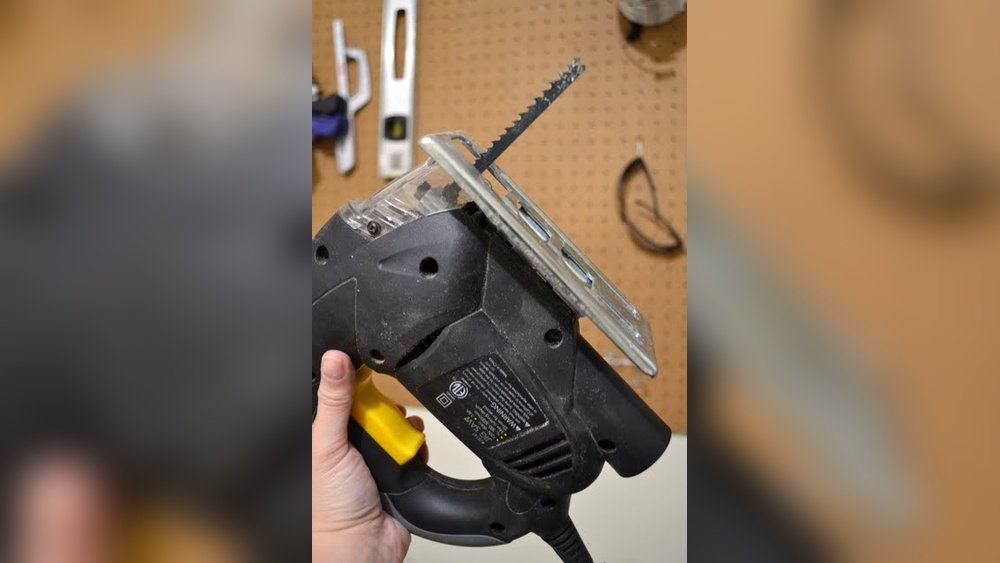
If you use a jigsaw often, you know how important it is to have a sharp, reliable blade. A dull or damaged blade can ruin your cuts and slow down your work.
But changing the blade might seem tricky if you’ve never done it before. Don’t worry—this guide will walk you through the steps clearly and quickly. By the end, you’ll feel confident swapping blades like a pro, saving time and getting perfect cuts every time.
Keep reading to learn how to change the blade on your jigsaw easily and safely.

Credit: www.youtube.com
Preparing For The Blade Change
Preparing for the blade change on a jigsaw is an important first step. Proper preparation saves time and keeps you safe. It also helps the blade change process go smoothly and without trouble.
Before you start, gather all the tools you need. Then, follow safety steps carefully. This makes sure you avoid accidents and protect your hands and eyes.
Gathering Necessary Tools
First, find the right blade for your jigsaw. Check the blade type and size. Keep the old blade nearby for comparison. Have a screwdriver or the tool that fits your jigsaw ready. You may also need gloves to protect your hands. A small cloth can help clean the area around the blade holder.
Ensuring Safety Precautions
Unplug the jigsaw before changing the blade. This prevents the tool from turning on by mistake. Wear safety glasses to protect your eyes from dust and sharp parts. Use gloves to avoid cuts from the blade. Work in a well-lit area to see clearly. Keep your workspace clean and free of clutter to avoid slips or falls.
Removing The Old Blade
Removing the old blade from your jigsaw is the first step in changing it. This task is simple but requires care. Knowing where and how to release the blade helps you work safely and quickly.
Follow these steps to remove the blade without damage to the tool or yourself.
Locating The Blade Release Mechanism
Most jigsaws have a blade release near the blade holder. It may look like a small lever or a knob. Check the side or front of the blade clamp area. The owner’s manual shows the exact spot for your model. Recognizing this part helps you avoid mistakes.
Releasing The Blade Safely
Always unplug the jigsaw before starting. Hold the tool firmly with one hand. Use the other hand to move the release lever or turn the knob. The blade will loosen and slide out easily. Do not force the blade out. If it is stuck, double-check the release mechanism. Store the old blade safely away from children.
Selecting The Right Replacement Blade
Selecting the right replacement blade is important for a smooth and accurate cut. The right blade makes your jigsaw work better and last longer. Choosing the blade depends on the material you want to cut and the type of cut you need.
Choosing Blade Types
Jigsaw blades come in many types. Some blades are for wood, others for metal or plastic. Tooth design affects the cut. Coarse teeth cut fast but rough. Fine teeth cut slow but clean. Use a blade that fits your project’s needs. This helps you get good results without damaging the material.
Matching Blade Size And Material
Blade size must match your jigsaw model. Check the blade length and thickness. Using the wrong size can cause poor performance or damage. Blade material matters too. High-speed steel blades work well for soft materials. Bi-metal blades last longer and cut harder materials. Choose the blade material based on what you will cut most often.
Installing The New Blade
Installing a new blade on your jigsaw is simple and quick. It ensures clean cuts and safe operation. Follow these clear steps to fit the blade right.
Inserting The Blade Correctly
Hold the jigsaw firmly. Align the blade teeth facing forward, away from the tool. Slide the blade into the blade holder slot. Push it gently but fully until it stops. Check that the blade fits straight and does not wobble.
Securing The Blade Firmly
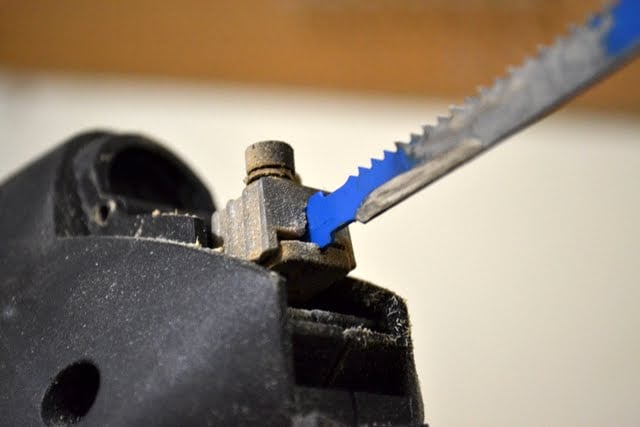
Use the blade clamp or screw to lock the blade. Turn the clamp or tighten the screw until the blade feels tight. Test the blade by pulling it lightly. It should stay firmly in place. A loose blade can cause uneven cuts and is unsafe.
Testing The Jigsaw After Blade Change
Testing the jigsaw after changing the blade is important. It ensures the blade works correctly and safely. Without testing, you risk poor cuts or damage to your project. Follow simple steps to check the blade’s stability and run a test cut. These steps help you confirm the jigsaw is ready for use.
Checking Blade Stability
Start by holding the jigsaw firmly. Look closely at the blade. It should be straight and tight. Shake the tool gently. The blade should not move or wobble. If it moves, turn off the jigsaw and tighten the blade again. A stable blade cuts better and lasts longer.
Running A Test Cut
Find a piece of scrap wood. Turn on the jigsaw and make a slow cut. Listen to the sound of the blade. It should be smooth without strange noises. Watch the cut line. It should be clean and even. Stop and check the blade again if you see problems. A good test cut means your jigsaw is ready for real work.

Credit: www.youtube.com
Tips For Maintaining Your Jigsaw Blades
Keeping your jigsaw blades in good shape makes your cutting work easier and safer. Proper care extends blade life and improves cutting quality. Follow these simple tips to maintain your jigsaw blades well.
Cleaning And Storage
After each use, clean the blade with a dry cloth. Remove dust, resin, and wood chips that stick to the teeth. Avoid using water, as it may cause rust. Store blades in a dry place away from moisture. Use a blade case or a box to keep them organized and safe.
When To Replace Blades
Change the blade if it becomes dull or bent. Dull blades make cutting harder and less precise. Bent blades cause uneven cuts and can damage your jigsaw. Also, replace blades if teeth are missing or chipped. Using a bad blade can ruin your project and waste time.
Credit: www.uglyducklinghouse.com
Frequently Asked Questions
How Do I Safely Remove A Jigsaw Blade?
First, unplug the jigsaw or remove the battery. Locate the blade release mechanism. Use it to loosen and carefully pull out the blade. Always wear gloves to avoid injury. Handle the blade by the base to prevent cuts.
What Tools Are Needed To Change A Jigsaw Blade?
Most jigsaws have a tool-free blade change system. If not, you might need an Allen wrench or screwdriver. Check your jigsaw’s manual for specific instructions. Having pliers handy can also help with blade removal.
How To Choose The Right Blade For A Jigsaw?
Select a blade based on the material you cut, like wood, metal, or plastic. Check the blade’s tooth design and length. Use fine-toothed blades for smooth cuts and coarse blades for fast, rough cuts. Match the blade type to your jigsaw model.
How Often Should I Replace My Jigsaw Blade?
Replace the blade when it becomes dull, bent, or damaged. Frequent cutting of hard materials may require more frequent changes. A sharp blade ensures cleaner cuts and safer operation. Inspect the blade before each use.
Conclusion
Changing a jigsaw blade is simple and quick. Always unplug the tool before starting. Use the right blade for your project. Tighten the blade securely to avoid accidents. Regular blade changes keep your cuts clean and smooth. Practice this skill to save time and work safely.
Now, you can handle your jigsaw with confidence. Ready to cut?

Michael Harris is an experienced woodworker and power tool expert with over 12 years in woodworking. Specializing in functional, high-quality furniture, he offers expert advice on tool selection, maintenance, and sharpening for both beginners and professionals.