What is a Jigsaw Used For? Expert Tips and Practical Uses
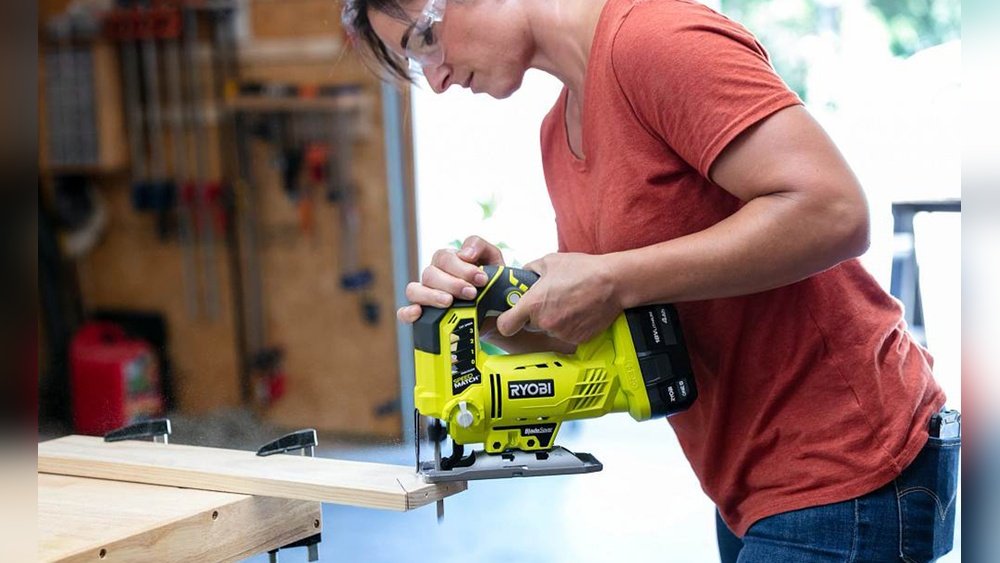
Have you ever wondered what a jigsaw is really used for? Whether you’re a DIY enthusiast or just starting out, understanding this tool can open up a world of creative possibilities.
A jigsaw isn’t just another power tool—it’s your key to making precise cuts, curves, and shapes in wood, metal, and even plastic. You’ll discover how a jigsaw can transform your projects, save you time, and help you achieve professional-looking results.
Keep reading to find out exactly how this versatile tool can become your new best friend in the workshop.
Credit: www.homedepot.com
Jigsaw Basics
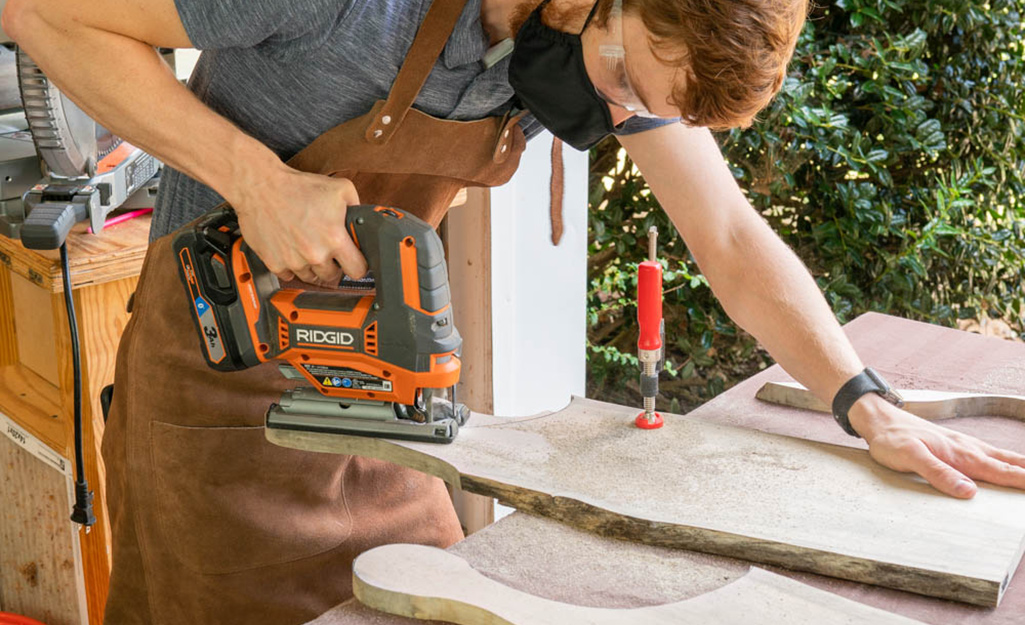
A jigsaw is a power tool used to cut shapes and curves in wood, metal, or plastic. It is popular for its ability to make detailed cuts quickly. The tool uses a straight, narrow blade that moves up and down. This motion allows you to follow curved lines easily.
Jigsaws are common in woodworking and DIY projects. They help create intricate designs that other saws cannot do. Learning about jigsaw features and types helps choose the right tool for each job.
Key Features
Jigsaws have several important features. The blade moves up and down at high speed. Some models allow you to change blade speed. This control helps cut different materials smoothly.
Another key feature is the orbital action. This means the blade moves slightly forward and backward. It makes cutting faster and cleaner. A dust blower is also useful. It keeps the cutting line clear of sawdust.
Most jigsaws have adjustable shoe plates. This part rests on the material and can tilt for angled cuts. A good grip and lightweight design help you work comfortably.
Types Of Jigsaws
There are two main types of jigsaws: corded and cordless. Corded jigsaws plug into an electrical outlet. They provide continuous power for long tasks. Cordless jigsaws use batteries. They offer more freedom to move around.
Another way to classify jigsaws is by blade type. Some blades are designed for wood, others for metal or plastic. Choosing the right blade improves cutting quality and blade life.
Specialty jigsaws include models with extra features like laser guides or LED lights. These features help make precise cuts easier to see.

Credit: www.woodsmith.com
Common Applications
The jigsaw is a versatile power tool used in many projects. Its unique design allows it to cut different shapes and angles with ease. This makes it a favorite for both beginners and experienced users. The jigsaw fits many tasks around the home, workshop, or job site.
Cutting Curves And Shapes
The jigsaw excels at cutting curves and complex shapes. It moves the blade up and down quickly to follow curved lines. This precision helps create smooth edges on wood, plastic, and metal. You can make circles, waves, or custom patterns easily. It is perfect for craft projects and detailed work.
Bevel And Straight Cuts
The jigsaw can also make straight and angled cuts. Its base plate tilts to cut bevel edges up to 45 degrees. This feature helps when fitting pieces together at an angle. Straight cuts work well on thin materials or small boards. The jigsaw offers control and flexibility for many cutting needs.
Material Compatibility
The jigsaw works on many materials using the right blade. Wood, metal, plastic, ceramic, and drywall are common examples. Each material requires a specific blade type and tooth design. Changing blades is quick and simple. This makes the jigsaw a practical tool for varied tasks.
Choosing The Right Blade
Choosing the right blade is key for a good jigsaw cut. The blade affects how clean and fast your cuts are. Picking a blade that fits your project will save time and give better results. Understanding blade types, materials, and sizes helps you make the best choice for your work.
Blade Types
Jigsaw blades come in different types for various cuts. Some blades are made for straight cuts. Others work best for curves or intricate shapes. There are also blades designed for cutting wood, metal, or plastic. Choosing the right type depends on your material and cut style.
Blade Materials
Blade materials affect durability and cutting ability. High carbon steel blades are good for soft wood and plastics. Bi-metal blades combine flexibility and strength for harder materials. Tungsten carbide blades last long and cut tough metals well. Matching blade material to your task helps the blade stay sharp and work well.
Blade Size And Tpi
Blade size and teeth per inch (TPI) change the cut speed and smoothness. Larger blades cut faster but less smooth. Smaller blades give smoother cuts but work slower. High TPI means many teeth for fine cuts. Low TPI means fewer teeth for fast, rough cuts. Choose blade size and TPI based on the detail and speed you want.
Safety Tips For Jigsaw Use
Using a jigsaw can be easy and fun, but safety must come first. This tool cuts wood, metal, and plastic with a small, fast-moving blade. Many accidents happen because users ignore safety rules. Follow simple tips to protect yourself and work well.
Proper Handling
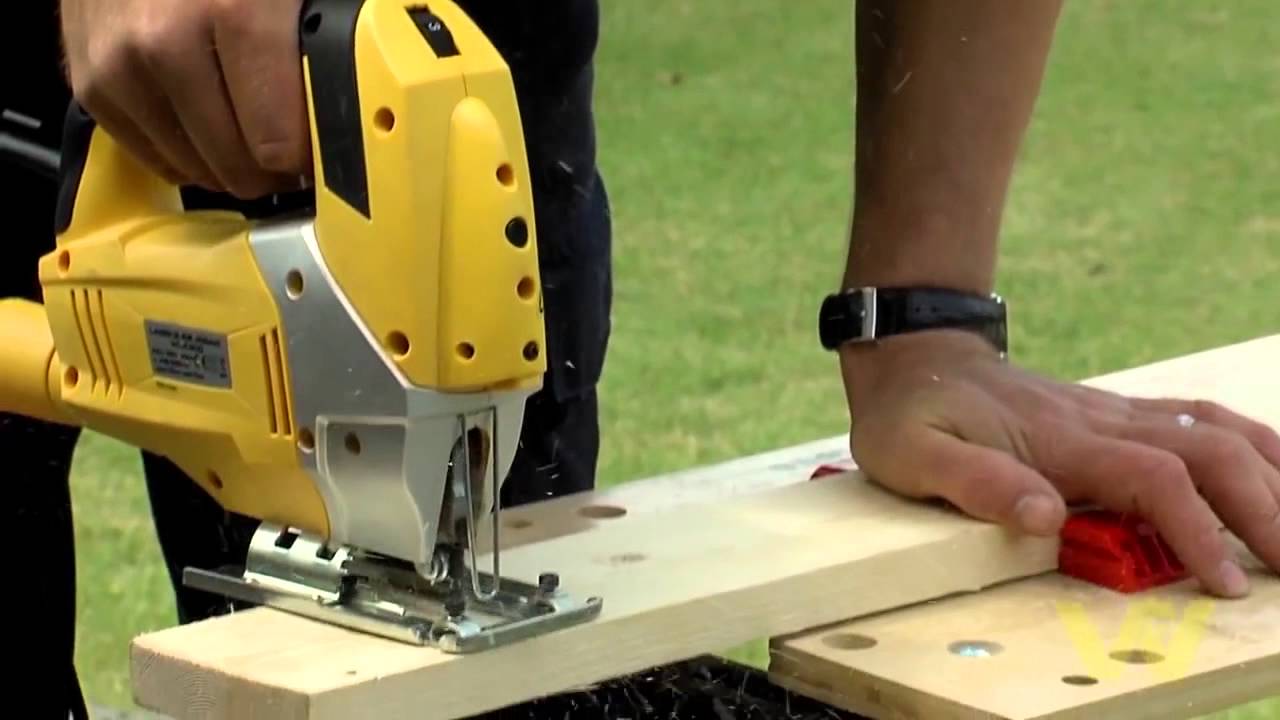
Hold the jigsaw firmly with both hands. Keep your fingers away from the blade area. Always start the saw before touching the material. Move the jigsaw slowly and steady for clean cuts. Never force the blade into the material. Let the saw do the work.
Protective Gear
Wear safety glasses to protect your eyes from flying pieces. Use ear protection if the noise is loud. Gloves help protect your hands from cuts and splinters. Avoid loose clothes or jewelry that can catch on the blade. Wear a dust mask if cutting materials that create dust.
Maintenance Checks
Check the blade for damage before each use. A dull or broken blade can cause accidents. Make sure the jigsaw is unplugged before changing blades. Clean dust and debris from the tool after every use. Regularly inspect the power cord for cuts or wear. Proper care keeps the jigsaw safe and lasting longer.
Expert Techniques
Jigsaws are versatile tools, but using them well takes skill. Expert techniques help make cuts cleaner and safer. These tips improve control and finish quality. Understanding how to handle speed, marking, and tear-out matters most.
Controlling Speed
Adjusting the jigsaw speed suits different materials. Slow speed works best for hard wood or metal. Fast speed cuts soft wood and thin materials quickly. Use slower speed for detailed or curved cuts. Controlling speed helps prevent mistakes and tool damage.
Marking And Guiding Cuts
Draw clear lines before cutting for accuracy. Use a pencil or tape to mark the path. Follow the line closely to avoid uneven edges. Guide the jigsaw steadily without forcing it forward. Using a straight edge or guide rail improves precision.
Reducing Tear-out
Tear-out happens when wood splinters along the cut edge. To reduce tear-out, place masking tape on the cut line. Cutting from the finished side downward helps protect the surface. Use a sharp blade and steady pressure for smoother cuts. These steps create cleaner, professional-looking results.
Creative Projects With A Jigsaw
A jigsaw is a tool that helps create many types of projects. It cuts wood, plastic, and even metal with ease. This tool allows you to make straight or curved cuts. Its versatility makes it perfect for creative tasks. Many people use jigsaws to build and decorate their homes.
Jigsaws give you freedom to shape materials in unique ways. They make DIY projects simpler and more fun. This section explores creative projects using a jigsaw. See how it helps with furniture, crafts, and home repairs.
Diy Furniture
Jigsaws are great for making custom furniture pieces. Cut wood into shapes for shelves, tables, or chairs. You can create smooth curves or sharp edges easily. This tool helps you personalize your furniture designs. Building your own furniture saves money and adds style.
Craft And Art Projects
Artists use jigsaws to cut detailed designs in wood or plastic. Make signs, puzzles, or wall art with clean edges. The tool allows precise cuts for intricate patterns. It helps bring creative ideas to life quickly. Crafting with a jigsaw is fun and rewarding.
Home Improvement Tasks
Jigsaws assist in many home repairs and upgrades. Cut holes for sinks, outlets, or vents with accuracy. Trim wood panels or flooring to fit perfectly. The jigsaw’s control makes it easy to work in tight spaces. It is useful for both small fixes and big projects.
Credit: www.youtube.com
Frequently Asked Questions
What Materials Can A Jigsaw Cut Effectively?
A jigsaw can cut wood, metal, plastic, and ceramic tiles. It uses different blades suited for each material. This makes it versatile for various DIY and professional projects.
How Precise Are Cuts Made With A Jigsaw?
Jigsaws offer good precision for curved and intricate cuts. They are ideal for detailed work but less accurate for perfectly straight lines. Using a guide can improve straight cutting accuracy.
Can A Jigsaw Be Used For Straight Cuts?
Yes, a jigsaw can make straight cuts with the help of a guide or fence. While not as precise as a circular saw, it works well for many straight cutting needs.
What Safety Precautions Should Be Taken When Using A Jigsaw?
Always wear safety goggles and keep hands clear of the blade. Secure the material firmly and use the correct blade for the job to avoid accidents.
Conclusion
A jigsaw helps cut wood, metal, and plastic with ease. It makes curved and straight cuts simple and fast. Many DIY projects and repairs need this tool. It fits well in small hands and tight spaces. Anyone can learn to use it safely and quickly.
Owning a jigsaw adds great value to your toolbox. Try one for your next project and see the difference.

Michael Harris is an experienced woodworker and power tool expert with over 12 years in woodworking. Specializing in functional, high-quality furniture, he offers expert advice on tool selection, maintenance, and sharpening for both beginners and professionals.