Jigsaw Blade Guide: Choosing the Right Blade for Perfect Cuts
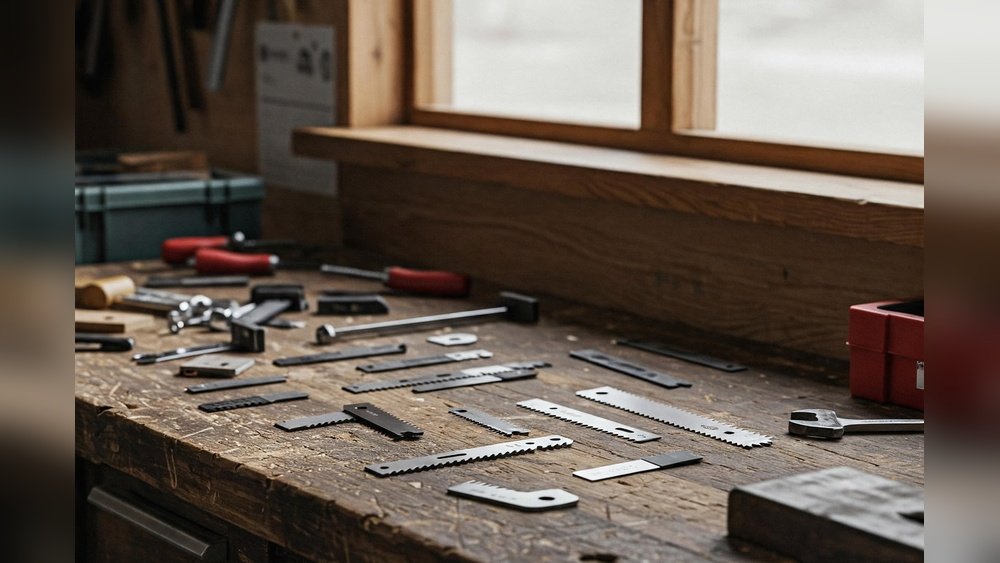
Choosing the right jigsaw blade can make all the difference in your project. Whether you’re cutting wood, metal, or plastic, the blade you pick affects how clean and fast your cuts will be.
If you’ve ever struggled with rough edges or slow progress, this guide is for you. By the end, you’ll know exactly which blade suits your needs, saving you time and frustration. Keep reading to unlock the secret to perfect cuts every time.
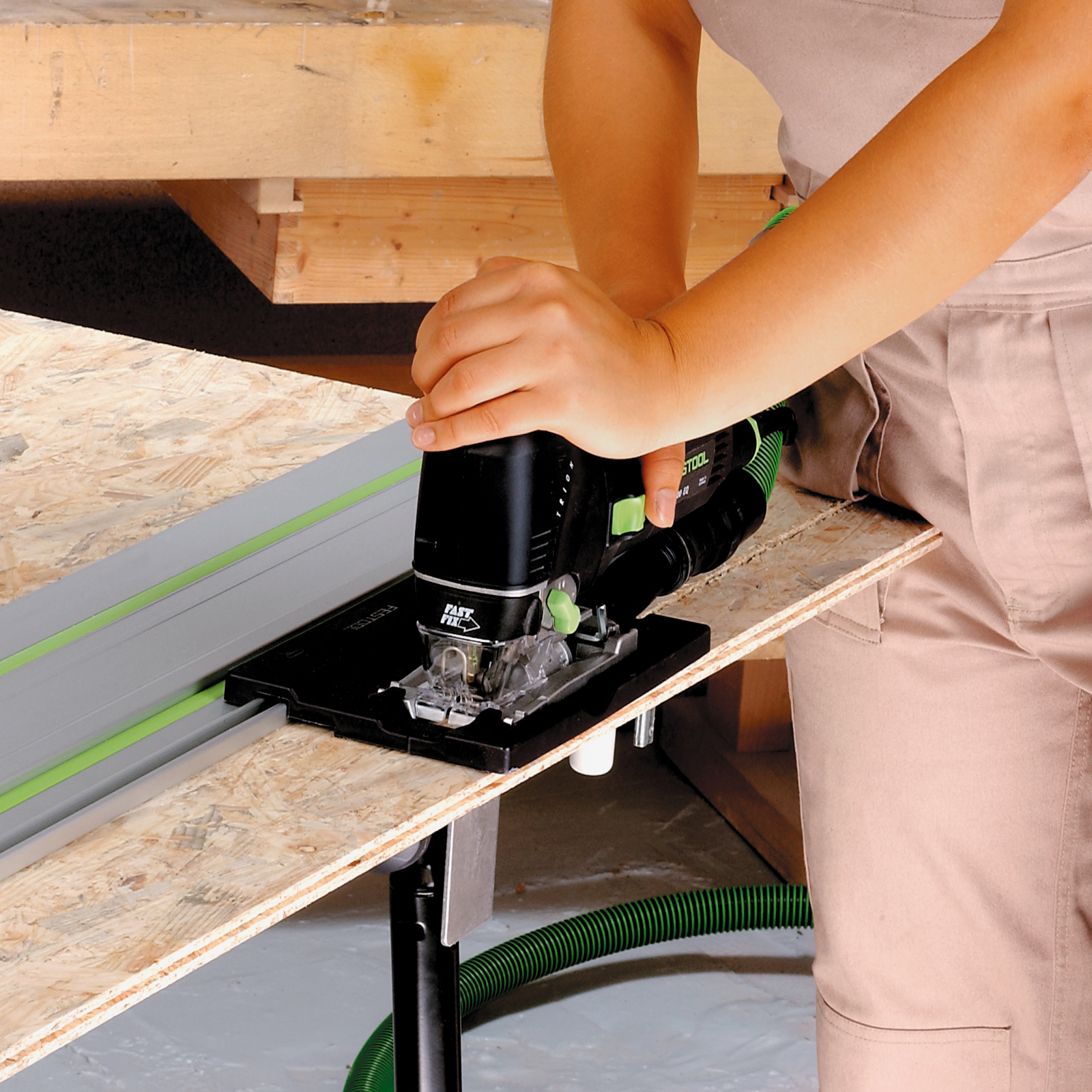
Credit: www.tooled-up.com
Types Of Jigsaw Blades
Choosing the right jigsaw blade is key for good cutting results. Blades differ in material and design. Each type serves different tasks and materials. Knowing these types helps pick the best blade for your job.
High-speed Steel Blades
High-speed steel blades cut wood and soft metals well. They stay sharp for a decent time. These blades are affordable and easy to find. They work best for simple, everyday cuts.
Bi-metal Blades
Bi-metal blades combine flexibility and strength. They have a high-speed steel edge welded to a spring steel body. This design resists breaking and lasts longer. Use them for cutting metal and hardwood.
Carbide-tipped Blades
Carbide-tipped blades handle tough materials like tile and thick metal. The carbide tips stay sharp for a long time. These blades cost more but offer great durability. They work well on hard surfaces.
Tungsten Carbide Blades
Tungsten carbide blades are very hard and strong. They cut through abrasive materials easily. These blades are perfect for heavy-duty jobs. Expect a longer lifespan compared to other blades.
Blade Tpi And Its Impact
The TPI of a jigsaw blade means “teeth per inch.” It affects how the blade cuts through material. Choosing the right TPI is key for clean and efficient cuts. The number of teeth controls the speed and smoothness of the cut.
A blade with low TPI cuts faster but rougher. A blade with high TPI cuts slower but smoother. Understanding this helps you pick the best blade for your project.
Low Tpi For Fast Cuts
Blades with low TPI have fewer teeth per inch. This means bigger gaps between teeth. These gaps clear sawdust quickly during cutting. The blade moves through wood or soft material fast. Use low TPI blades for rough cuts or thick materials. They work well on wood, plastic, or soft metals. You get quicker cuts but with a rough edge. Perfect for projects where speed matters more than smoothness.
High Tpi For Fine Cuts
Blades with high TPI have many small teeth per inch. These teeth create a smoother, cleaner cut. High TPI blades cut slowly but with great detail. They are best for thin materials or fine work. Use them on metal, laminate, or thin wood. High TPI blades reduce splintering and tear-out. Ideal for finish work or delicate shapes that need precision.
Material-specific Blades
Choosing the right jigsaw blade depends on the material you want to cut. Different materials need special blades for clean, safe cuts. Using the correct blade helps protect your tool and improves your work quality.
Blades vary by tooth shape, size, and material. Each type fits a specific material to give smooth results. Let’s explore blades made for wood, metal, plastic, and ceramic or tiles.
Blades For Wood
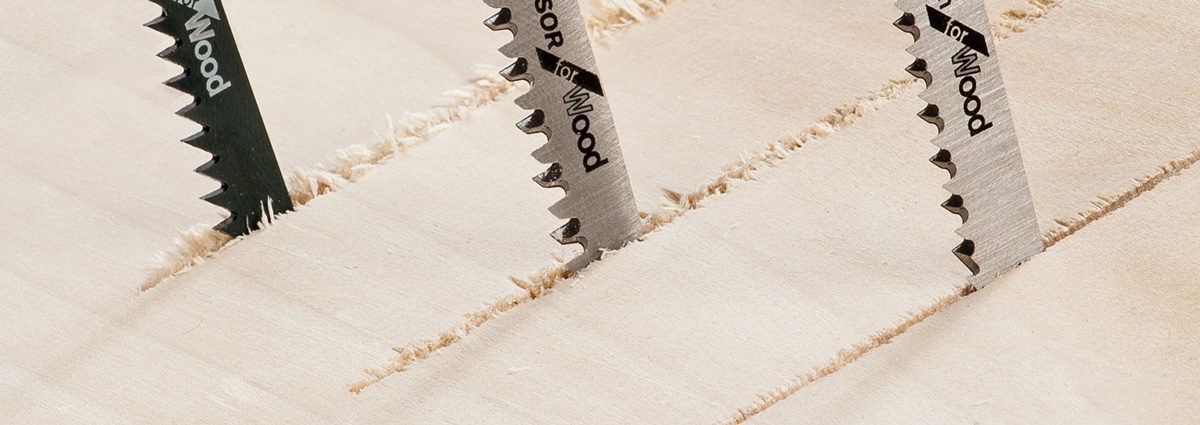
Wood blades have large, sharp teeth. They cut quickly and remove wood chips easily. These blades often have fewer teeth per inch (TPI). Lower TPI helps cut soft or thick wood faster. For clean cuts on hardwood or plywood, choose blades with medium TPI. Scroll blades work well for curves in wood.
Blades For Metal
Metal blades have small, fine teeth. They provide slow, smooth cutting without bending the blade. High TPI helps cut thin metal sheets cleanly. Look for blades made from high-speed steel (HSS) or bi-metal for durability. These blades resist heat and stay sharp longer.
Blades For Plastic
Plastic blades have medium-sized teeth. They cut smoothly without cracking or melting the plastic. Fine-toothed blades prevent chipping on delicate plastics. Choose blades with a fast cutting speed to avoid heat build-up. A clean cut keeps your project looking neat.
Blades For Ceramic And Tiles
Ceramic and tile blades often use tungsten carbide grit. These blades grind through hard surfaces instead of cutting. They work best for smooth, straight cuts on tiles and ceramics. Use blades designed for jigsaws to avoid chipping or cracking. Slow, steady cutting improves results.
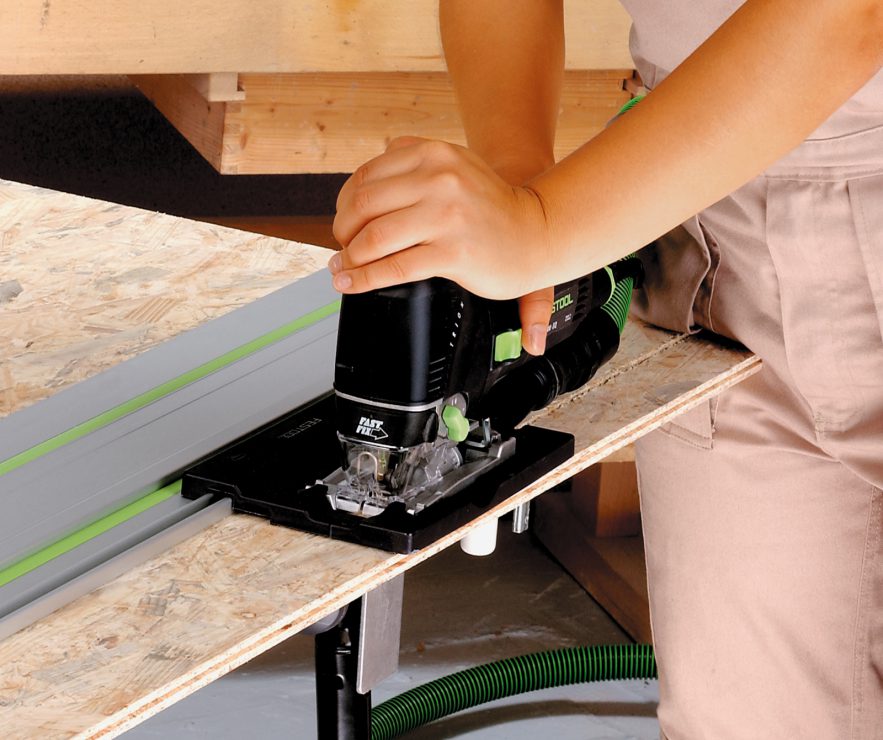
Credit: www.tooled-up.com
Blade Shape And Tooth Design
Blade shape and tooth design play a big role in how well a jigsaw blade cuts. Different shapes and teeth types suit different materials and tasks. Choosing the right blade helps you cut cleanly and quickly.
Ground Teeth
Ground teeth are sharp and precise. They offer smooth cuts in wood and plastic. These teeth are shaped by grinding, making them very uniform. This design reduces splintering and gives a clean edge. Use ground teeth for fine, detailed work.
Ground And Milled Teeth
These blades combine two tooth types. Ground teeth give clean cuts, while milled teeth add strength. Milled teeth are rougher and thicker. This mix works well for cutting metals and harder materials. It balances speed and smoothness during cutting.
Reverse Tooth Blades
Reverse tooth blades have teeth facing down. This design helps cut without splintering the top surface. It is ideal for delicate materials like laminates or veneers. The cut edges stay neat and clean. Use these blades to protect the finished side of your workpiece.
Blade Length And Thickness
Blade length and thickness are key parts of choosing the right jigsaw blade. These factors affect how well the blade cuts through different materials. Picking the right size and thickness helps you get clean, smooth cuts without wasting time or effort.
Choosing Blade Length
The blade length must match the material’s thickness. A blade too short will not cut all the way through. Too long can bend or break easily. Measure the material and add a little extra length for a safe cut. Longer blades work well on thick wood or metal. Short blades fit better on thin materials and tight spaces.
Thickness For Stability
Thicker blades provide more stability during cutting. They reduce wobbling and make straight cuts easier. Thin blades bend more and suit curved cuts. Use thick blades for straight, fast cuts in hard materials. Thin blades work best for delicate or detailed cuts. Choose thickness based on the job’s needs and material type.
Credit: www.axminstertools.com
Tips For Optimal Blade Use
Using the right jigsaw blade is just the start. To get the best results, you must use the blade properly. Good blade use helps you cut smoothly and keeps your tool safe. Follow these tips for optimal blade use and better cutting performance.
Proper Speed Settings
Set your jigsaw speed based on the material. Use slower speeds for metals and harder materials. Faster speeds work well for wood and soft plastics. Adjust the speed gradually. This prevents burning or rough cuts. Always start slow and increase as needed.
Maintaining Blade Sharpness
Check your blade often for dull edges. Replace blades that show signs of wear or damage. A sharp blade cuts cleaner and lasts longer. Clean the blade after each use. Remove any dirt or resin build-up. Proper care keeps the blade working well.
Safety Precautions
Wear safety glasses to protect your eyes from debris. Keep your hands clear of the blade path. Secure the material firmly before cutting. Use clamps if needed. Always unplug the tool before changing blades. Follow these steps to avoid accidents and injuries.
Frequently Asked Questions
What Types Of Jigsaw Blades Are Available?
Jigsaw blades come in various types like T-shank and U-shank. They differ in tooth design and material, suited for wood, metal, or plastic cutting. Choosing the right type ensures clean, efficient cuts and blade durability.
How To Choose The Right Blade For Wood?
Select blades with larger, fewer teeth for fast, rough cuts. For fine, detailed cuts, use blades with smaller, more teeth. Consider blade material and thickness based on wood hardness to achieve smooth results.
Can I Use One Blade For Multiple Materials?
Using one blade for multiple materials is not ideal. Blades are optimized for specific materials like wood, metal, or plastic. Using the correct blade improves cutting quality, blade life, and safety.
What Blade Tooth Count Suits Metal Cutting?
Higher tooth count blades (around 18-24 TPI) are best for metal cutting. More teeth provide smoother cuts and reduce metal burrs. Use bi-metal blades for durability and heat resistance during metal cutting tasks.
Conclusion
Choosing the right jigsaw blade makes cutting easier and more precise. Different materials need different blades for best results. Keep blade types and teeth per inch in mind. Using the correct blade saves time and effort. Always check the blade condition before starting your work.
A sharp, suitable blade improves safety and cuts. With the right blade, your projects will look cleaner and neater. Remember these tips for better jigsaw blade choices next time.

Michael Harris is an experienced woodworker and power tool expert with over 12 years in woodworking. Specializing in functional, high-quality furniture, he offers expert advice on tool selection, maintenance, and sharpening for both beginners and professionals.