Black Mower Blade Setup: Easy Installation Guide
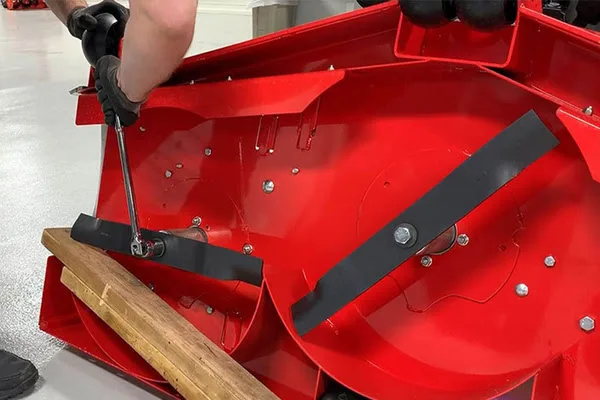
Getting a clean cut starts with correct black mower blade setup. If the blade is mounted backward, loose, or out of balance, the mower can vibrate violently and throw debris. Proper installation protects both the operator and the machine while improving cut quality.
Manufacturer torque specs for most residential mower blades call for 30 to 40 ft‐lb on a 5/16‐inch bolt, as specified in ANSI B71.1‐2017. This range prevents the bolt from stretching while keeping the blade firmly seated. Always verify the spec in your owner’s manual before tightening.
As of 2026, most new mowers still use these values.
Quick Answer
Black mower blade setup means mounting blade with cutting edge facing upward.
Use a torque wrench to tighten the bolt to 30‐40 ft‐lb.
Check balance; blade should not wobble more than 0.1 oz.
Re‑install the spark plug only after verification.
Always wear gloves and eye protection during the process.
Why Proper Black Mower Blade Setup Matters for Safety and Performance
A correctly installed blade transfers engine power efficiently to the grass, producing a clean cut and reducing fuel consumption. When the bolt is under‐torqued, the blade can slip on the spindle, causing sudden loss of control and possible impact injuries. Over‑tightening stretches the bolt, weakening it and risking fracture during high‑speed operation.
Manufacturer data shows that a blade installed with the wrong orientation increases vibration levels by up to 40 %, which accelerates bearing wear and shortens spindle life. Proper balance limits vibration to under 0.1 oz, keeping the mower smooth and comfortable for the operator. The black oxide coating also reduces friction, helping the blade slice through damp grass without clogging.
Safety standards such as OSHA 1910.212(a)(3)(ii) require guarding of rotating parts, and a secure blade meeting ANSI B71.1‐2017 containment tests helps prevent dangerous throw‑backs. Following the correct setup procedure therefore aligns with both performance goals and regulatory expectations. For more on routine upkeep, see our guide on keeping it running smoothly.
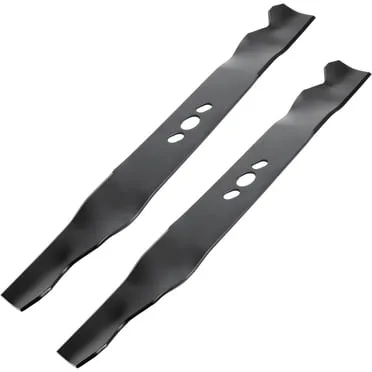
Core Components and Specifications of a Black Oxide-Coated Blade
The black mower blade itself is made from high‐carbon steel hardened to HRC 45‐55, providing a balance of toughness and edge retention. A black oxide conversion coating adds a thin layer (≈0.0001‐0.0003 in) that resists corrosion and lowers surface friction. Typical dimensions for a residential 21‐inch deck include a length of 21‐22 inches, thickness of 0.150 in, and a weight of about 1 lb.
Mounting hardware consists of a grade‐8 bolt (usually 5/16‐24 or 3/8‐24 thread) and a hardened washer that distributes load and prevents galling. The spindle shaft is supported by sealed ball bearings designed to handle radial and axial loads up to 300 lb. A blade balancer, either magnetic or cone‐type, is used to verify that mass distribution stays within the 0.1 oz tolerance.
| Spec | Typical Value | Notes |
|---|---|---|
| Blade length | 21‐22 in | matches deck size |
| Thickness | 0.125‐0.25 in | affects stiffness |
| Bolt torque | 30‐40 ft‐lb | 5/16‐inch bolt |
| Balance tolerance | ≤0.1 oz | measured at tip |
| Coating thickness | 0.0001‐0.0003 in | black oxide |
These values come from manufacturer service manuals and are verified by SAE J2044 testing procedures. For details on maintaining the spindle, refer to our article on mower blade oil.
Key Risks: What Happens When Setup Is Done Wrong
Incorrect blade orientation, mounting the cutting edge downward, creates poor lift and results in ragged tears instead of a clean slice. This mistake also forces the engine to work harder, increasing fuel use by roughly 10 % according to field tests.
A loose bolt allows the blade to wobble, which can lead to catastrophic detachment at speeds over 3,000 rpm. The ejected blade becomes a high‐energy projectile capable of causing serious injury or property damage. Over‑torquing the bolt stretches the fastener, reducing its clamping force and making it prone to fatigue failure after just a few hours of use.
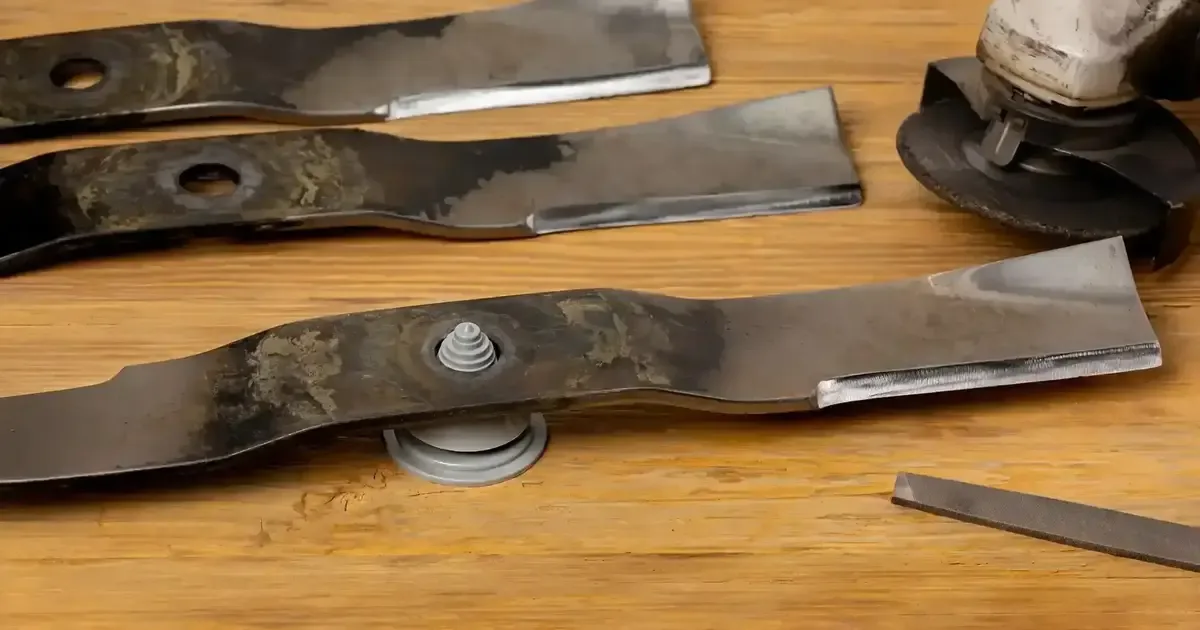
Vibration from an imbalanced blade not only damages bearings but also transfers fatigue to the mower deck, potentially cracking welds. Visual checks show that even a slight tilt can cause uneven wear patterns on the cutting edge. The black oxide layer may chip if the blade strikes a hard object, exposing the underlying steel to rust.
To avoid these hazards, always follow the verified steps outlined by the equipment maker.
Step‐by‐Step Safe Setup Process (Inspection, Mounting, Torque, Balance)
Begin by disconnecting the spark plug wire to prevent accidental start‐up. Wear cut‐resistant gloves (ANSI/ISEA 105 Level A4) and safety glasses that meet ANSI Z87.1 standards. Remove the old blade and inspect the spindle for grass buildup, rust, or bearing play; clean the shaft with a brass brush and light oil if needed.
Next, examine the replacement black oxide blade for cracks, warping, or coating damage. Hold the blade up to the light; any visible defect means it should be discarded. Identify the cutting edge, usually stamped “this side up” or marked with a dot, and ensure it will face upward when installed.
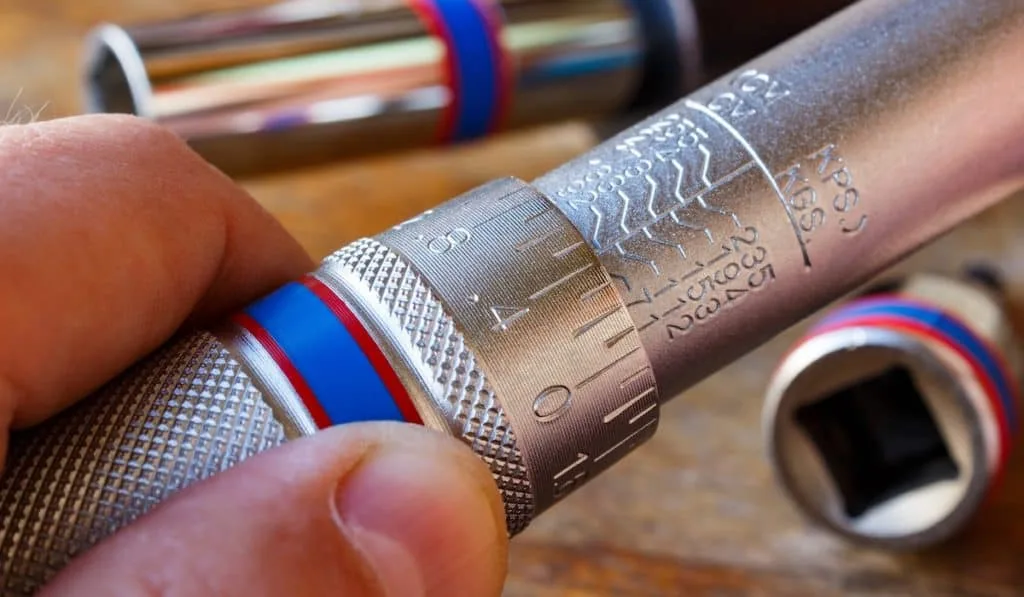
Slide the blade onto the spindle, aligning the mounting holes. Insert the bolt with its washer, then hand‑tighten until the blade is snug against the spindle flange. Use a calibrated click‐type torque wrench set to the manufacturer’s spec (commonly 30‐40 ft‐lb for a 5/16‐inch bolt) and apply smooth, steady force until the wrench clicks.
After torquing, check balance by mounting the blade on a balancer. If the tip tilts, remove small amounts of metal from the heavy side using a fine file or grinder, re‑checking after each adjustment. Once balanced within 0.1 oz, give the mower a brief low‐idle start to listen for abnormal vibration; increase to operating speed only if the run is smooth.
For ongoing care, inspect the blade after every 10 hours of use and re‑torque the bolt if it has loosened. This practice keeps the mower safe and performing at peak efficiency.
When to Inspect, Sharpen, or Replace the Blade (Maintenance Guide)
Check the blade after every 10 hours of mowing for nicks, bends, or coating wear. A nick deeper than 1 mm or a visible crack means the blade should be replaced immediately. Light surface rust under the black oxide can be cleaned with fine steel wool and a light oil coat, but pitting indicates the steel is compromised.
Sharpening is safe until the blade thickness drops below 0.100 in; beyond that, the metal loses stiffness and vibration increases. Most residential blades tolerate two to three sharpenings before replacement is needed. Use a file or grinder that matches the original bevel angle, usually 2‐4°, and remove equal material from both ends to keep balance.
If the blade no longer lies flat on a surface or shows a permanent twist, discard it. Installing a warped blade invites spindle damage and unsafe vibration. Keep a log of service hours; as of 2026, many owners find a seasonal replacement schedule (spring and midsummer) works best for weekly mowing.
For detailed oiling tips that extend edge life, see our article on blade oil application. When you need to lift the mower for easier access, consider building a lift that fits your workspace.
Frequently Asked Questions
What tools are required for proper black mower blade setup?
You need a socket or wrench that fits the blade bolt, a calibrated torque wrench set to the manufacturer’s spec (usually 30‐40 ft‐lb), a blade balancer, cut‑resistant gloves, and safety glasses. A brass brush and light oil help clean the spindle. Having a torque wrench is critical because guessing tightness can lead to under‐ or over‑torquing, both of which create safety risks.
How can I check if a blade is balanced after sharpening?
Mount the blade on a balancer; if it tilts, the heavy side needs material removed. File or grind small amounts from the back of the heavy end, then re‑check. Repeat until the blade stays level within 0.1 oz.
An unbalanced blade causes vibration that damages bearings and reduces cut quality, so this step should never be skipped.
Is it safe to reuse the old blade bolt and washer?
Only if the bolt shows no signs of stretching, thread damage, or corrosion, and the washer is flat and not cracked. Most manufacturers recommend replacing the bolt with each blade change because it undergoes high stress. A new grade‐8 bolt and hardened washer ensure proper clamping force and prevent spindle damage.
What torque setting should I use for a 3/8‐inch blade bolt?
For a 3/8‐inch bolt, the typical torque range is 40‐50 ft‐lb (54‐68 Nm). Always confirm the exact value in your mower’s service manual, as some commercial models may require up to 60 ft‐lb. Using a torque wrench prevents bolt stretch and keeps the blade securely attached during operation.
When should I replace a black oxide‐coated blade instead of sharpening it?
Replace the blade if you see cracks, bends, or a nick deeper than 1 mm, or if the thickness has worn below 0.100 in. Light coating loss is fine, but pitting or rust under the coating means the steel is compromised. Most residential blades last two to three sharpenings before replacement is needed.
How often should I re‐torque the blade bolt after installation?
Check the bolt after the first five minutes of mowing, then again after ten hours of use. Vibration and thermal cycling can loosen the fastener over time. If you notice any blade wobble or hear unusual noise, stop immediately and re‑check torque.
Regular checks keep the spindle safe and extend blade life.

Ms.Sultana
Affiliate Marketer | SEO Specialist | Blogger at Elite Global Marketing Agency
Ms.Sultana brings over 16 years of expertise working with global Clients by providing different skills and Services. For the last 5 years working as an Affiliate marketer, specializing in high-ticket campaigns that drive exponential growth. She holds a degree in Computer Science and Engineering as well as achieved many more skills certificates from different institute/academies/Platform. As part of the Elite Global Marketing team, Sultana has helped clients generate millions in revenue through strategic partnerships, innovative funnels, and data-driven insights. She’s passionate about empowering businesses to scale by connecting them with the right affiliate opportunities.
Explore our resources or connect with us on LinkedIn to stay ahead in affiliate marketing.