

Your power tool battery is the heart of your equipment. Without it, your tools are useless.
But have you noticed how quickly those batteries lose their charge or stop working altogether? What if you could make your battery last longer and save money on replacements? This guide will show you simple, effective ways to extend the life of your power tool battery.
By following these tips, you’ll get more work done, reduce frustration, and protect your investment. Keep reading to discover how to keep your battery strong and reliable for every job.
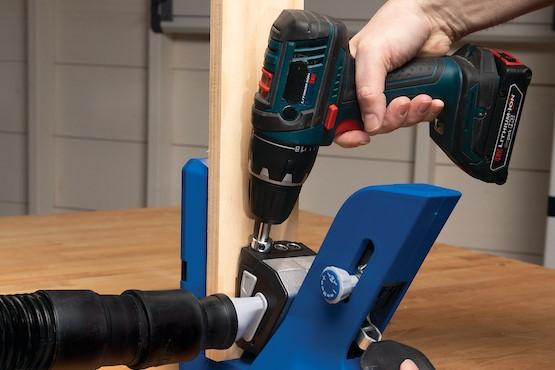
Credit: www.kregtool.com
Choose The Right Battery
Choosing the right battery is key to making your power tool last longer. A good battery fits the tool well and works efficiently. This choice affects how long the tool runs and how often you must recharge.
Picking a battery that matches your tool’s needs helps avoid damage and saves money. Understanding battery types and matching them correctly can improve performance and extend battery life.
Match Battery To Tool
Use only batteries designed for your specific tool model. Different tools need different voltages and sizes. Using the wrong battery can cause poor performance or damage the tool.
Check the tool’s manual or label to find the right battery type. Match the voltage and connector shape exactly. This ensures safe use and better battery life.
Consider Battery Chemistry
Power tool batteries come in various chemistries like NiCd, NiMH, and Lithium-ion. Each type has pros and cons for life span and charging.
Lithium-ion batteries last longer and weigh less. They hold charge better and recharge faster. NiCd batteries are cheaper but have memory issues and shorter life.
Choose a battery chemistry that suits your work habits and tool needs. This choice helps maintain battery health and tool performance.
Proper Charging Practices
Proper charging practices play a key role in extending the life of a power tool battery. Charging the battery correctly keeps it healthy and ready for use. It helps avoid damage that can shorten the battery’s lifespan. Follow these simple steps to charge your battery the right way.
Use Compatible Chargers
Always use the charger made for your power tool battery. Chargers not designed for your battery can cause damage. They may deliver the wrong voltage or current. This can reduce battery life or cause it to fail. Using the original charger or a certified replacement is best.
Avoid Overcharging
Do not leave the battery on the charger too long. Overcharging heats the battery and wears it out. Many chargers stop charging automatically when full. Still, unplug the charger soon after the battery reaches 100%. This helps keep the battery in good shape.
Charge At Optimal Temperature
Charge the battery in a cool, dry place. Extreme heat or cold harms battery cells. Ideal charging temperature is usually between 50°F and 77°F (10°C to 25°C). Avoid charging in direct sunlight or freezing conditions. This protects battery capacity and life.
Storage Tips For Batteries
Proper storage of power tool batteries helps keep them healthy and lasting longer. Bad storage can cause batteries to lose power quickly or even get damaged. Following simple storage tips will keep batteries ready for use and protect their life span.
Store In Cool, Dry Place
Heat can damage battery cells and reduce their capacity. Keep batteries away from direct sunlight and hot spots. A cool, dry place like a cabinet or drawer works best. Avoid damp areas that can cause rust or corrosion.
Keep Partial Charge
Storing batteries fully charged or fully empty can harm them. Aim to store batteries with about 40% to 60% charge. This level reduces stress on the battery and helps keep it stable during storage. Check the charge level before storing.
Avoid Long-term Disuse
Batteries lose charge slowly even when not used. Long periods of disuse can cause deep discharge, damaging the battery. Use the batteries every few months or recharge them to maintain good health. Regular use helps keep the battery cells active.
Maintenance And Care
Proper maintenance and care are key to keeping power tool batteries working longer. Batteries last better when handled gently and kept clean. A few simple steps can prevent damage and improve battery life. This section covers three important care tips to follow.
Clean Battery Contacts
Battery contacts must stay clean for good connection. Dirt or dust blocks power flow and causes problems. Use a dry cloth or soft brush to wipe contacts. Avoid water or liquids that can cause corrosion. Clean contacts before each use to keep tools running smoothly.
Inspect For Damage
Check batteries often for cracks, swelling, or leaks. Damaged batteries can fail or become unsafe. Stop using any battery with visible damage. Replace damaged batteries to protect your tools and yourself. Regular inspection helps catch problems early.
Rotate Battery Usage
Use all your batteries evenly to prevent wear. Rotating batteries allows each one to rest between uses. This avoids overcharging or deep discharging a single battery. Keep track of battery use and switch them regularly. Balanced use helps batteries last longer.
Usage Habits To Extend Battery Life
Using power tools the right way helps batteries last longer. Good habits protect battery health and save money. Simple changes in use can keep batteries strong and ready for work.
Avoid Deep Discharges
Do not let the battery run completely empty. Deep discharges reduce battery life quickly. Charge the battery before it reaches a very low level. Frequent partial charges are better than full drains.
Use Tool Regularly
Use your power tool often to keep the battery active. Batteries lose capacity if left unused for long periods. Regular use helps maintain battery chemistry. This keeps the battery healthy and ready to go.
Manage Load And Speed
Operate the tool at moderate speeds and loads. High loads and full speed drain batteries faster. Control your tool to avoid unnecessary stress on the battery. Balanced use extends battery life and performance.

Credit: www.rhybattery.com
Signs Of Battery Wear
Batteries power your tools but wear out over time. Recognizing early signs helps save money and avoid downtime. Watch for changes in how your battery works. These signs show it may need care or replacement soon.
Reduced Run Time
Your battery lasts less than before. Tools stop working faster during use. This means the battery holds less charge. Reduced run time signals wear and aging inside the battery.
Slow Charging
Charging takes longer than usual. The battery may never reach full power. Slow charging means the battery’s cells weaken. This lowers the battery’s ability to store energy.
Physical Deformities
Look for swelling, cracks, or leaks on the battery. Physical damage is a serious warning. It can cause poor performance and safety risks. Do not ignore these visible signs of wear.
When To Replace Batteries
Knowing when to replace power tool batteries saves time and money. Old batteries reduce tool efficiency and can cause problems. Watch for signs that show your battery needs replacement. Act early to keep your tools running smoothly and safely.
Evaluate Performance Loss
Check how long your battery holds a charge. If it drains quickly, the battery is weakening. Notice if tools run slower or lose power during use. These signs mean the battery does not work well anymore. Compare current battery life to when it was new. A big drop in performance signals it’s time to replace the battery.
Consider Safety Risks
Old batteries can overheat or leak harmful chemicals. This puts you and your tools at risk. Look for swelling, cracks, or corrosion on the battery. These are clear warnings to stop using it. Using a damaged battery can cause accidents or damage your power tool. Replace batteries that show any signs of physical damage immediately.

Credit: cisivistools.com
Frequently Asked Questions
How Often Should I Charge My Power Tool Battery?
Charge your power tool battery after each use to maintain optimal performance. Avoid letting it fully drain, as deep discharges reduce battery life.
Can Extreme Temperatures Damage Power Tool Batteries?
Yes, extreme heat or cold can harm your battery’s capacity. Store and use batteries in moderate temperatures for longer life.
Is It Better To Fully Charge Or Partially Charge Batteries?
Partial charges are better than full charges for lithium-ion batteries. Avoid overcharging by unplugging once it reaches 80-90% capacity.
How Do I Properly Store Power Tool Batteries?
Store batteries in a cool, dry place at about 40-60% charge. Avoid metal contact and remove batteries from tools when not in use.
Conclusion
Taking care of your power tool battery saves money and time. Charge it fully but avoid overcharging. Store the battery in a cool, dry place. Clean the contacts regularly for better connection. Use the tool often to keep the battery active.
Small habits make a big difference in battery life. Follow these tips to keep your tools ready for work. Your battery will last longer and perform well. Simple steps lead to better results. Keep your tools powered up and reliable.

Michael Harris is an experienced woodworker and power tool expert with over 12 years in woodworking. Specializing in functional, high-quality furniture, he offers expert advice on tool selection, maintenance, and sharpening for both beginners and professionals.

