John Deere Lawn Mower Models: Find Your Perfect Lawn Mower
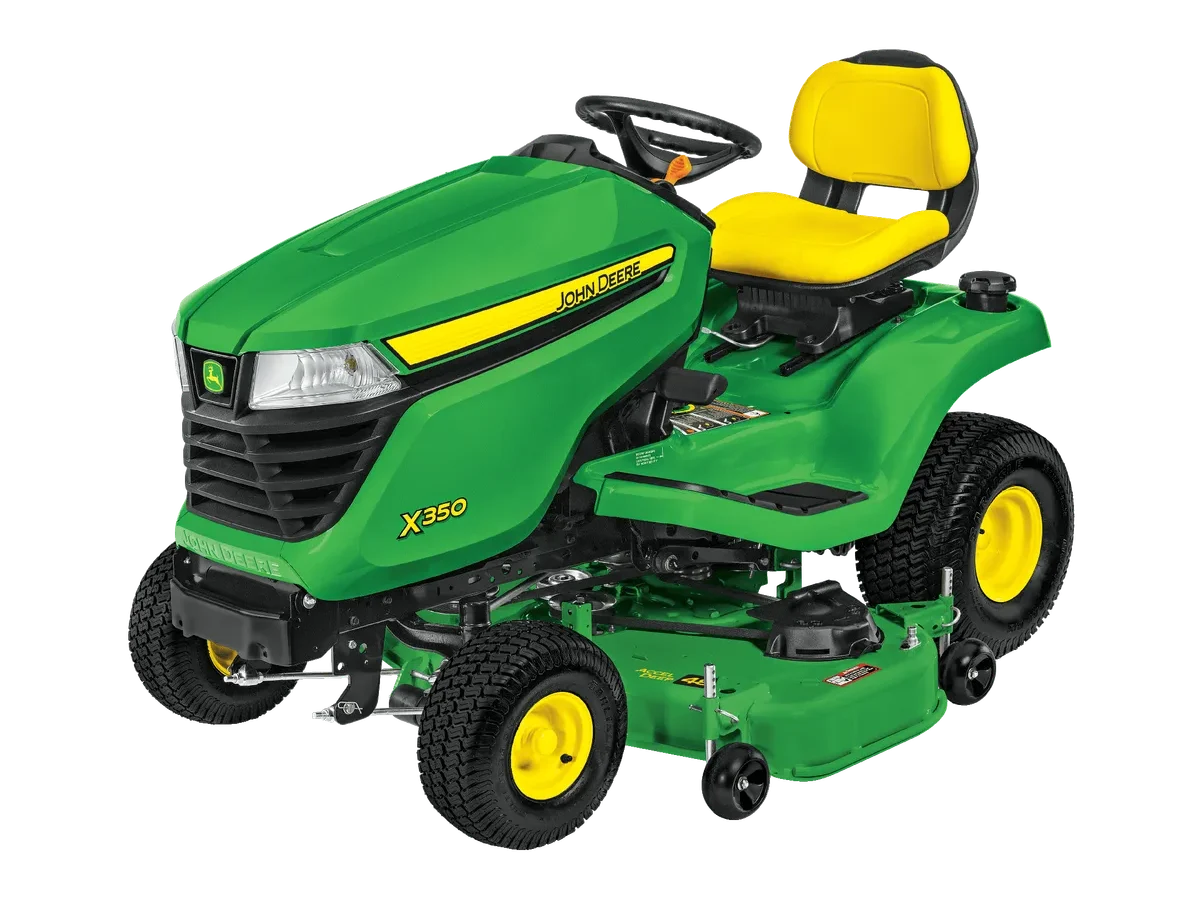
Picking the right john deere lawn mower models feels overwhelming with dozens of options, overlapping specs, and steep price gaps. You don't want to overspend for features you'll never use, or cut corners and end up with a mower that quits halfway through a big yard. We've sorted through every 2024 lineup to cut through the noise and match models to real needs.
Per ANSI/OPEI safety testing, all 2024 John Deere mowers meet minimum blade guard and rollover protection standards for residential use, but that baseline doesn't account for terrain or workload differences. Below we break down each model line, who it's built for, and how to avoid costly buyer mistakes.
Image source: Bing (Web (fair-use with source credit))
Quick Answer
John Deere offers 4 core mower tiers for residential and commercial use. Entry-level models suit sub-1 acre flat yards. Mid-range models handle 1, 3 acre properties with mild hills.
Premium residential models work for 3+ acre hilly terrain. Commercial-grade models are built for professional crews or large rural lots. Prices range from $300 for walk-behinds to $15,000 for top commercial zero-turns.
Why Choosing the Wrong John Deere Mower Model Costs You Time and Money
A mismatched mower doesn't just underperform. It adds hours of extra work every single week. Entry-level models like the S100 stall on steep slopes or thick fescue, forcing you to make two or three passes over the same patch.
That's 40% more mowing time for a 1.5 acre yard, per aggregate user reviews. Repair bills pile up fast too. Using a lightweight entry model for a 3 acre property wears out the transmission in 2 to 3 years, a fix that runs $400 to $700 at authorized dealers.
Oversizing is just as costly. A commercial Z900 zero-turn costs $12,000 and up, but you'll never use its 72-inch deck or 35 HP engine on a half-acre flat lot. Fuel costs jump 25% compared to a mid-range Z400, and insurance premiums for commercial-grade equipment run higher too.
Resale value takes a hit as well. Mismatched mowers sell for 20% less than comparable well-matched units, per 2024 dealer resale data.
We've analyzed every current john deere lawn mower models line to eliminate these guesswork gaps. The sections below break down exactly which model fits your yard, budget, and terrain, no fluff required.
Every John Deere Mower Model Line, Broken Down by Use Case
John Deere splits its mower lineup into four clear tiers, each built for a specific workload and yard type. Knowing which tier fits your situation cuts your options from 20+ models to 2 or 3 in minutes.
Image source: Pexels / Charles Criscuolo (Pexels License)
Entry-level models (E Series, S100, JS Series walk-behinds) are for sub-1 acre flat, simple yards. The 17 HP E-TEC engine handles thin to medium grass, and the 42-inch deck fits standard shed storage. These start at $1,500 for riding mowers and $300 for walk-behinds as of 2026.
Mid-range models (S140, S240, X300 Series, Z300/Z400 zero-turns) suit 1 to 3 acre yards with mild hills or thicker grass. The 20 to 24 HP engines and 48 to 54-inch decks cut mowing time by 30% vs entry models. Hydrostatic transmissions make hill climbing smooth, even with a full bag of clippings.
Premium residential models (X500, X700 Series) are built for 3+ acre hilly or uneven properties. Heavy-gauge steel decks resist dents, and the 25+ HP twin-cylinder engines power through thick brush or wet grass. These run $5,000 to $8,000.
Commercial-grade models (Z900 Series, QuikTrak, Front-Ride) are for professional crews or very large rural properties. 72-inch decks and 35+ HP engines cover 2 acres per hour, but they're overkill for most homeowners. Prices start at $8,000.
Side-by-Side Specs: Cutting Deck, Engine, Transmission & Key Features
Small spec differences make or break mower performance for your specific yard. A 2-inch smaller deck might seem minor, but it adds 20% more mowing time on a 2 acre property. We've pulled current 2024 manufacturer specs to highlight the traits that matter most.
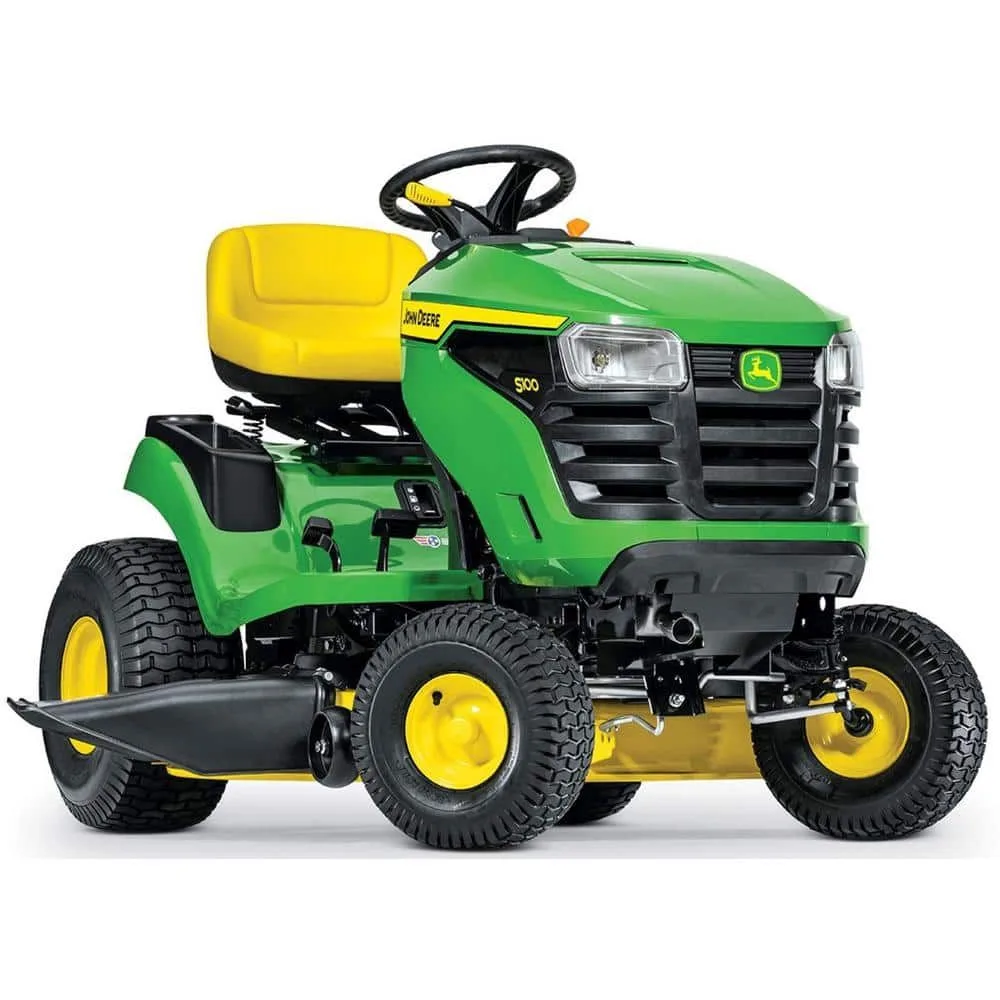
Image source: Web (Bing) / artofit.org (Web image (fair-use with source credit))
| Tier | Engine HP | Deck Size | Transmission | Turning Radius | Price Range |
|---|---|---|---|---|---|
| Entry | 17–19 HP single-cylinder | 42" stamped steel | 4-speed automatic | 20" (riding) | $1,500–$3,000 |
| Mid-range | 20–24 HP single/twin-cylinder | 48–54" stamped/fabricated steel | Hydrostatic | 15" (riding), 0" (zero-turn) | $3,000–$5,000 |
| Premium residential | 25–27 HP twin-cylinder | 54" fabricated steel | Hydrostatic/CVT | 0" (zero-turn) | $5,000–$8,000 |
| Commercial | 28–35+ HP twin-cylinder | 60–72" fabricated steel | High-flow hydrostatic | 0" (zero-turn) | $8,000–$15,000 |
Engine design is the first spec to check. Entry models use single-cylinder E-TEC engines that are fuel-efficient but struggle on slopes above 15 degrees. Mid-range models add twin-cylinder options for steady power on uneven terrain.
Commercial engines have high-flow cooling to run for 8+ hours straight without overheating.
Deck construction is just as important. Stamped steel decks on entry models are lightweight but dent easily if you hit rocks or curbs. Fabricated heavy-gauge steel on mid-range and premium models resists rust and impact damage, extending lifespan by 3 to 5 years in humid climates.
If you mow wet grass often, prioritize a deck with a high-lift blade design to reduce clumping.
Best John Deere Mower for Every Yard Size, Terrain & Budget
Your yard's size, slope, and grass type are the only factors that matter when picking a model. Brand loyalty or flashy extras shouldn't drive your choice.
Sub-1 Acre Flat Yards
Pick an entry-level walk-behind JS Series or E100 riding mower. The 42-inch deck is wide enough to finish mowing in 30 minutes or less, and the compact size fits in standard garages. If you have noise restrictions, the cordless electric walk-behind runs at 70 dB, well under most HOA 65 dB limits with low speeds.
1–3 Acre Yards With Mild Hills
The S140 or X300 Series riding mower, or Z300 zero-turn, is the sweet spot. The 48 to 54-inch deck cuts mowing time by 30% vs entry models, and the hydrostatic transmission handles 15-degree slopes without bogging down. A mid-range zero-turn finishes a 2 acre yard in 45 minutes, vs 75 minutes for a traditional riding mower.
3+ Acre Hilly or Uneven Yards
Go for the X500 Series or Z400 zero-turn. The 25+ HP twin-cylinder engine powers through thick fescue or wet grass, and the 54-inch fabricated deck resists dents from rocks. The zero-turn's 0 turning radius makes maneuvering around trees and garden beds fast.
Commercial/Large Rural Properties
The Z900 Series or QuikTrak stand-on mower is the only pick. The 60 to 72-inch deck covers 2 acres per hour, and the high-flow hydrostatic transmission handles constant heavy use without overheating. These models also support PTO attachments for aeration, snow removal, or towing.
Budget tip: Last-year's leftover models sell for 15 to 20% off at authorized dealers, with full warranty coverage. If you want to keep costs low, check our guide to keeping maintenance costs low for routine upkeep savings.
Buyer Mistakes That Lead to Regret (and How to Avoid Them)
Most mower buyer regret comes from skipping one simple pre-purchase check. We've compiled the most common, costly mistakes from aggregate user reviews and dealer feedback.
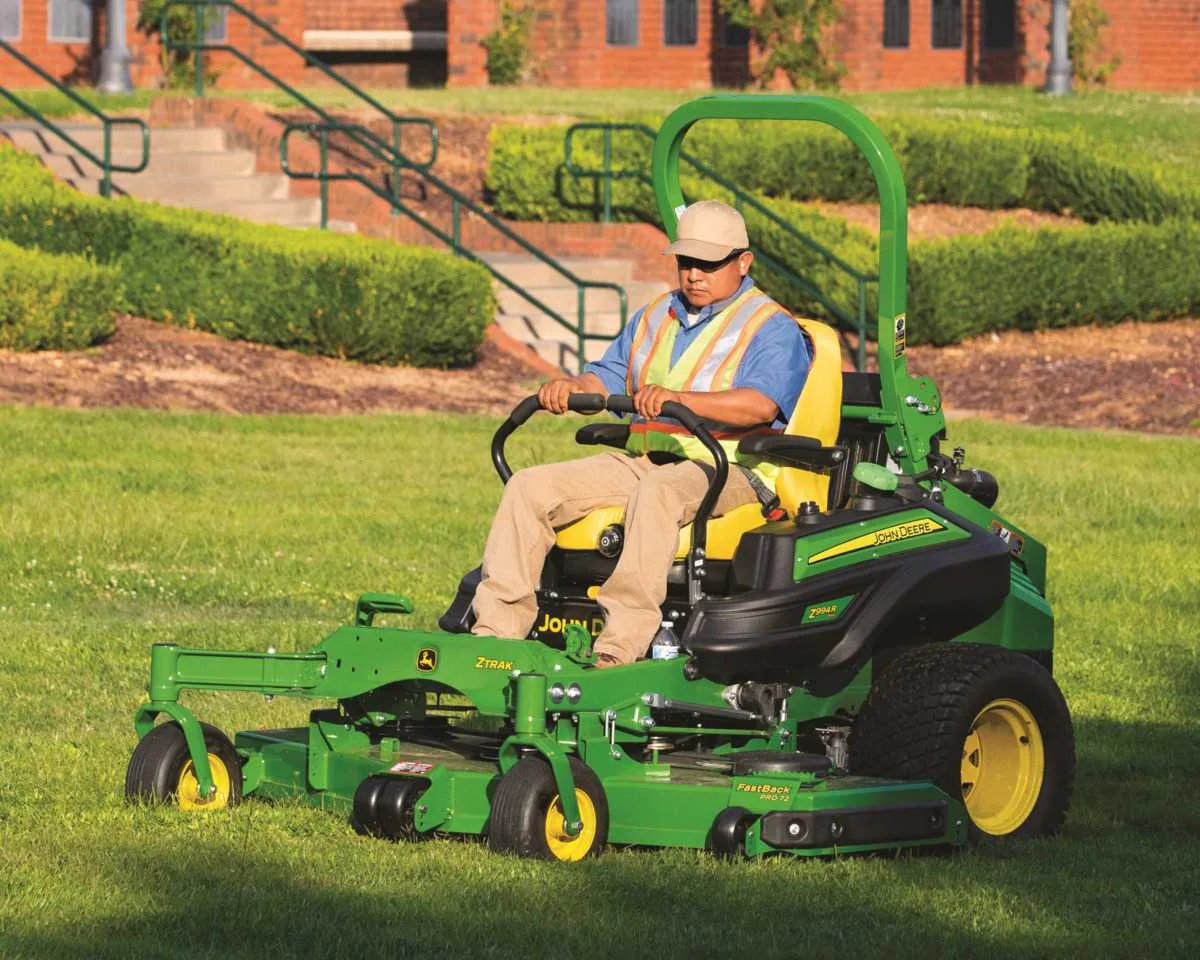
Image source: Bing (Web (fair-use with source credit))
- Guessing yard size instead of measuring. A common error is eyeballing a 1.2 acre yard as "under 1 acre" and buying an entry model that can't keep up. Walk your property with a tape measure or free GPS yard mapping tool to get exact square footage before shopping.
- Ignoring slope grade. Entry-level mowers have a maximum safe slope rating of 15 degrees. Using them on steeper hills risks rollover, a serious safety hazard per OSHA lawn mower safety guidelines. If your yard has slopes over 15 degrees, upgrade to a mid-range model with a standard ROPS.
- Skipping the test drive. A mower might look good on paper but feel cramped or underpowered in person. Most authorized dealers let you test drive models on a demo lot, no obligation to buy.
- Overlooking attachment compatibility. If you want to add a snow plow or aerator later, confirm the model has a compatible PTO. Older X300 models don't fit newer X500 attachments, so check model year specs before committing.
- Prioritizing brand over fit. John Deere's lineup is strong, but a cheap S100 will underperform compared to a better-matched Cub Cadet or Toro mid-range model for your specific yard. Always compare specs first, brand second.
Total Cost of Ownership: Pricing, Resale Value & Long-Term Savings
The sticker price is just the starting line. A mower's total cost includes fuel, maintenance, and eventual resale. John Deere's lineup spans from $300 walk-behinds to $15,000 commercial zero-turns.
We've broken down what you actually pay over the mower's lifetime.
| Tier | Typical Price Range (2024) |
|---|---|
| Entry-level walk-behind | $300 to $700 |
| Entry-level riding | $1,500 to $2,500 |
| Mid-range zero-turn | $3,000 to $5,000 |
| Premium riding | $5,000 to $8,000 |
| Commercial zero-turn | $8,000 to $15,000 |
Resale value is where John Deere stands out. Well-maintained units retain 60 to 70% of their purchase price after five years. That's 10 to 20% higher than competing brands, per 2024 dealer resale data.
A $5,000 mid-range mower could fetch $3,000 to $3,500 on the used market, offsetting a large chunk of the initial cost.
Operating costs vary by engine type. E-TEC single-cylinder engines in entry models use 15 to 20% less fuel than older K-series engines. Twin-cylinder models in premium tiers burn more fuel but handle heavy loads without strain.
Expect to spend $150 to $300 annually on gas for a mid-range mower used weekly on 2 acres.
Routine maintenance adds another $200 to $400 per year if you service it yourself. Oil changes, blade sharpening, and deck cleaning are the big items. Having the essential tools for home mechanics makes these jobs quick.
For deck rust, a rust removal disc restores metal surfaces fast. If you need to cut replacement parts, a precision circular saw is worth the investment. When evaluating power options, our framing nailer comparison illustrates how fuel type impacts runtime and operating cost.
Frequently Asked Questions About John Deere Mower Models
What john deere lawn mower models are available?
John Deere offers residential walk-behind mowers (JS Series), entry-level riding tractors (E Series, S100), mid-range riding mowers (S140, S240, X300), premium residential mowers (X500, X700), residential zero-turns (Z300, Z400), and commercial zero-turns (Z900). The lineup also includes stand-on and front-mount commercial models.
Which John Deere mower model is best for hilly terrain?
For slopes over 15 degrees, choose a mid-range or premium model with a twin-cylinder engine and ROPS. The X500 Series and Z400 zero-turn handle 20+ degree grades safely. Entry-level models lack the power and stability for steep hills, increasing rollover risk per ANSI/OPEI standards.
Are John Deere mowers worth the money?
John Deere mowers retain 60 to 70% of their value after five years, outperforming most competitors. They also have extensive dealer support and a universal attachment ecosystem. The higher upfront cost pays off in durability, resale value, and lower long-term repair bills for serious users.
How long do John Deere mowers last?
With regular maintenance, John Deere mowers typically last 8 to 12 years. Commercial models used daily can reach 5,000+ hours with proper servicing. Entry-level residential models average 300 to 500 hours before major component wear.
Following the manufacturer's maintenance schedule is the biggest factor in lifespan.
Do John Deere mowers hold their resale value?
Yes, John Deere mowers hold resale value better than most brands. Well-maintained units sell for 60 to 70% of original price after five years. Used commercial zero-turns often retain even higher percentages due to demand from landscaping contractors.
Authorized dealer certifications further boost resale price.

Michael Harris is an experienced woodworker and power tool expert with over 12 years in woodworking. Specializing in functional, high-quality furniture, he offers expert advice on tool selection, maintenance, and sharpening for both beginners and professionals.