Are you ready to take on your next DIY project but unsure how to handle a power drill? You’re not alone.
Power drills can seem intimidating at first, but once you learn the basics, they become one of your most useful tools. Imagine being able to hang shelves, assemble furniture, or fix things around your home with confidence and ease. This guide will walk you through everything you need to know to use a power drill safely and effectively.
By the end, you’ll feel ready to tackle any task that requires a drill—no guesswork, no fear. Keep reading, and let’s get your hands on the drill!
:max_bytes(150000):strip_icc()/How-to-use-a-power-drill-1825112_final-0b1f67f5a93147cd8f4c119261d648f0.png)
Credit: www.thespruce.com
Choosing The Right Power Drill
Choosing the right power drill is the first step for any beginner. It helps to get the job done safely and well. The right drill makes your work easier and saves time. This guide will explain the main types and features to think about.
Types Of Power Drills
There are several types of power drills. The most common is the drill driver, used for drilling holes and driving screws. Hammer drills add a pounding motion for hard materials like concrete. Impact drivers deliver strong twisting force, great for heavy screws. Pick the type based on your project needs.
Corded Vs Cordless
Corded drills plug into power outlets and offer continuous power. They are usually lighter and cheaper. Cordless drills run on batteries, giving freedom to move anywhere. Battery life and charging time matter. Choose cordless for flexibility and corded for long jobs without breaks.
Essential Drill Features
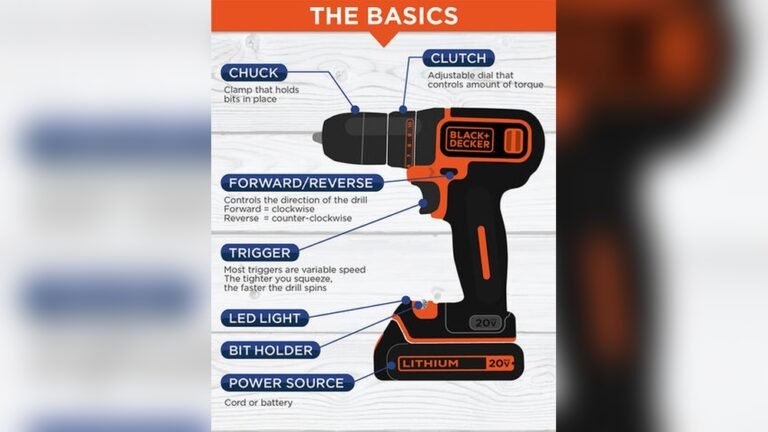
Look for adjustable speed settings to control drilling speed. A keyless chuck allows quick bit changes without tools. An ergonomic handle helps reduce hand fatigue. LED lights improve visibility in dark spaces. Check for a built-in level to keep holes straight.
Safety Tips Before Drilling
Safety is the first step before using a power drill. Taking simple precautions helps prevent accidents. Learning these safety tips makes drilling easier and safer. Follow these rules to protect yourself and others.
Protective Gear To Wear
Always wear safety glasses to protect your eyes. Dust and small particles can fly during drilling. Use ear protection to reduce noise damage. Gloves help protect your hands from sharp objects. Wear a dust mask if drilling materials create dust.
Inspecting The Drill And Workspace
Check the drill before use. Look for cracks, loose parts, or damaged cords. Make sure the drill bit is sharp and fits tightly. Clear the workspace from clutter and hazards. Ensure good lighting to see the work clearly.
Handling Electrical Hazards
Keep the drill cord away from water and wet surfaces. Use a drill with a grounded or double-insulated cord. Unplug the drill before changing bits or cleaning. Avoid drilling near live wires or electrical outlets. Use a voltage detector to find hidden wires.
Preparing For The Drill
Preparing for the drill is a key step before starting any project. It helps you work safely and get the best results. Taking time to prepare saves effort and avoids mistakes.
Start by choosing the right drill bit. Mark the exact spot where you will drill. Then, hold the material firmly. These steps make drilling easier and cleaner.
Selecting The Correct Drill Bit
Pick a drill bit that matches your project needs. Different bits work for wood, metal, or masonry. Using the wrong bit can damage your material or drill.
Check the size of the hole you want. Match the drill bit size to this measurement. Smaller bits make small holes; larger bits make bigger holes.
Marking The Drilling Spot
Use a pencil or marker to mark the drilling spot. Make a clear, small dot where you want the hole. This helps guide the drill and keeps the hole in the right place.
For more accuracy, use a center punch to make a small dent on the mark. This prevents the drill bit from slipping.
Securing The Material
Hold your material firmly before drilling. Use clamps or a vise to keep it steady. Moving material can cause uneven holes or accidents.
Make sure the material is stable and will not shift during drilling. This keeps your hands safe and improves control over the drill.
Basic Drilling Techniques
Basic drilling techniques help beginners use a power drill safely and effectively. Understanding these fundamentals makes drilling easier and more precise. Practice each step to build confidence and improve skills.
Setting Drill Speed And Torque
Select the right speed for your material. Low speed works best for hard surfaces like metal or concrete. High speed suits soft materials like wood or plastic. Adjust torque settings to control drill power. Higher torque helps with tough jobs, while lower torque prevents damage to delicate materials.
Proper Grip And Stance
Hold the drill firmly with both hands for better control. Keep your fingers away from the drill bit. Stand with feet shoulder-width apart. Balance your weight evenly to stay steady. This posture reduces fatigue and keeps the drill steady.
Starting The Drill Smoothly
Place the drill bit on the marked spot. Apply gentle pressure before starting the drill. Start at a low speed to avoid slipping. Gradually increase speed as the bit bites into the material. Keep steady pressure for a clean hole.
Drilling Different Materials
Drilling different materials needs different tools and methods. Each material reacts differently to a drill bit. Using the right technique keeps your work safe and clean. This section covers tips for drilling wood, metal, and masonry.
Wood Drilling Tips
Choose a wood drill bit with a sharp point. Start drilling slowly to keep the bit steady. Push the drill forward gently without forcing it. Clear wood dust often to stop clogging. Use clamps to hold the wood firmly in place.
Metal Drilling Tips
Use a high-speed steel drill bit for metal. Mark the spot with a center punch to stop slipping. Drill at a slow speed to avoid overheating. Apply cutting oil to cool the bit and metal. Wear eye protection to guard against metal shavings.
Drilling Into Masonry
Select a masonry drill bit with a carbide tip. Use a hammer drill mode if available. Start with a small hole before moving to a larger bit. Drill straight and avoid pushing too hard. Clear dust from the hole to drill deeper and cleaner.

Credit: www.youtube.com
Maintaining Your Power Drill
Maintaining your power drill is key to keeping it working well. Regular care helps avoid problems and saves money on repairs. Simple steps can make your drill last longer and stay safe to use. Follow these tips to keep your power drill in top shape.
Cleaning And Lubrication
After each use, wipe the drill with a dry cloth. Remove dust and dirt from vents and moving parts. Use a small brush to clean hard spots. Lubricate the chuck and other metal parts lightly. This prevents rust and keeps the drill running smoothly. Avoid using water or harsh chemicals on the drill.
Battery Care For Cordless Drills
Charge the battery fully before the first use. Do not let the battery drain completely before charging. Store batteries in a cool, dry place away from direct sunlight. Remove the battery from the drill if not used for a long time. Avoid overcharging by unplugging once the battery is full. Proper care extends battery life and power.
Storage Best Practices
Store the drill in a clean, dry place. Keep it away from moisture and extreme temperatures. Use a case or toolbox to protect it from dust and damage. Avoid leaving the drill in direct sunlight or damp areas. Always remove bits and batteries before storage. Proper storage keeps your drill safe and ready to use.
Troubleshooting Common Problems
Troubleshooting common problems with a power drill is essential for beginners. Small issues can stop your work and cause frustration. Understanding simple fixes helps you save time and effort. This guide covers basic problems and how to solve them quickly.
Drill Not Starting
Check the battery or power source first. A drained battery or unplugged cord stops the drill from working. Make sure the battery is charged or the cord is properly plugged in. Look for a locked switch that might prevent the drill from starting. Press the trigger firmly and try again. If nothing happens, inspect the drill for damage or loose parts.
Drill Bit Slipping
Slipping bits reduce drilling accuracy and can be dangerous. Tighten the chuck by turning it clockwise to hold the bit firmly. Clean the chuck and bit shank if dirt or grease causes slipping. Use the correct bit size for the chuck. Replace worn-out bits or chucks to improve grip. Test the drill after adjustments to ensure the bit stays secure.
Overheating Issues
Drills can overheat if used too long without breaks. Let the drill cool down after continuous use for several minutes. Use lower speed settings for tough materials to reduce heat buildup. Keep vents clean and free of dust to improve airflow. Avoid pressing too hard on the drill, as this strains the motor. If overheating continues, check for internal problems or seek professional help.

Credit: www.youtube.com
Frequently Asked Questions
What Safety Gear Is Essential When Using A Power Drill?
Always wear safety goggles and gloves when operating a power drill. Ensure your workspace is clean and well-lit. Avoid loose clothing or jewelry that could get caught in the drill.
How Do I Choose The Right Drill Bit?
Select drill bits based on your material: wood, metal, or masonry. Check the drill bit size matches your screw or hole requirement for best results.
What Is The Correct Drilling Speed For Beginners?
Start with a low speed to maintain control and accuracy. Increase speed gradually as you gain confidence and the material allows it.
How Do I Prevent Drill Bit Slipping?
Use a center punch to create a small indentation before drilling. Hold the drill steady and apply consistent pressure without forcing the bit.
Conclusion
Using a power drill is easier than it seems. Start slow and practice often. Always wear safety gear before drilling. Choose the right drill bit for each job. Keep a firm grip and steady hands. Remember to check the drill’s settings first.
With time, your confidence will grow. Enjoy completing your projects with your new skill. Keep learning and stay safe while working. Your power drill can help you do many tasks. Give yourself time, and success will follow.

Michael Harris is an experienced woodworker and power tool expert with over 12 years in woodworking. Specializing in functional, high-quality furniture, he offers expert advice on tool selection, maintenance, and sharpening for both beginners and professionals.