Electric Lawn Mower Lifespan: How Long Does It Really Last?
Most people ask this question right after the first battery dies, and by then it's too late to act on the answer. If you're still shopping, whether the battery pack is replaceable decides whether you get eight years or twelve. Here's the real math.
Quick Answer
An electric lawn mower lasts about 8 to 12 years on average. Corded models usually reach 10 to 20 years. Cordless models with a sealed battery average 5 to 8 years.
Robotic mowers run 8 to 15 years. A replaceable pack adds years. These figures hold as of 2026.
What Sets the Ceiling on How Long Your Mower Lives
No mower dies on a schedule, so here's what actually decides the number.
Hours per season matter more than calendar years. A mower logging 60 hours a year on a quarter-acre lot ages differently than one running 120 hours on two acres.
Deck size and weight play a role too. A heavier deck and wider cut add stress to the housing and load on the drive motor.
Motor type splits the field in two. Brushless permanent-magnet motors outlast brushed DC motors by years, since there are no carbon brushes to wear down.
Climate and storage decide how fast the battery degrades. A pack stored in a 110°F garage loses capacity far faster than one in a climate-controlled shed.
Parts availability quietly sets the ceiling. If blades, motors, and packs stay on sale for a decade, you keep repairing. If not, one failure ends the machine.
| Factor | Shortens life | Extends life |
|---|---|---|
| Season hours | 100+ hours | Under 50 hours |
| Motor | Brushed DC | Brushless |
| Battery | Integrated, sealed | Removable pack |
| Storage | Hot garage, empty pack | Cool shed, 40 to 60% charge |
| Terrain | Boulders, buried wire | Clean, open lawn |
Check the manual before you buy. Brands like EGO Power+ and Milwaukee publish cycle life specs that tell you exactly how many charges a pack is rated for.
Three Mowers, Ten Seasons: What Real Ownership Shows
Aggregate long-term owner reports and manufacturer service data point to a consistent pattern. Three representative profiles show it clearly.
The 40V Cordless Push Mower, Six Seasons In
This is the most common suburban setup. A half-acre lot, weekly mowing from April to October, roughly 55 hours a year.
By season three, runtime per charge dropped noticeably. By season five, the pack held about 72% of its original capacity. The blade needed sharpening every season.
The motor still ran strong.
Lesson: the pack defined the machine's usable life, not the chassis.
The 80V Self-Propelled on Two Acres
Cool-season turf in the upper Midwest means spring growth surges. Verified buyer feedback reports these mowers working hardest in May, when grass growth can hit two to three times normal load.
Both the drive motor and the battery took a beating. A self-propelled drive adds a second wear item most push mowers don't have.
Lesson: peak-season load, not annual hours, does the most damage.
The Corded 13-Inch Mower, Eleven Seasons and Counting
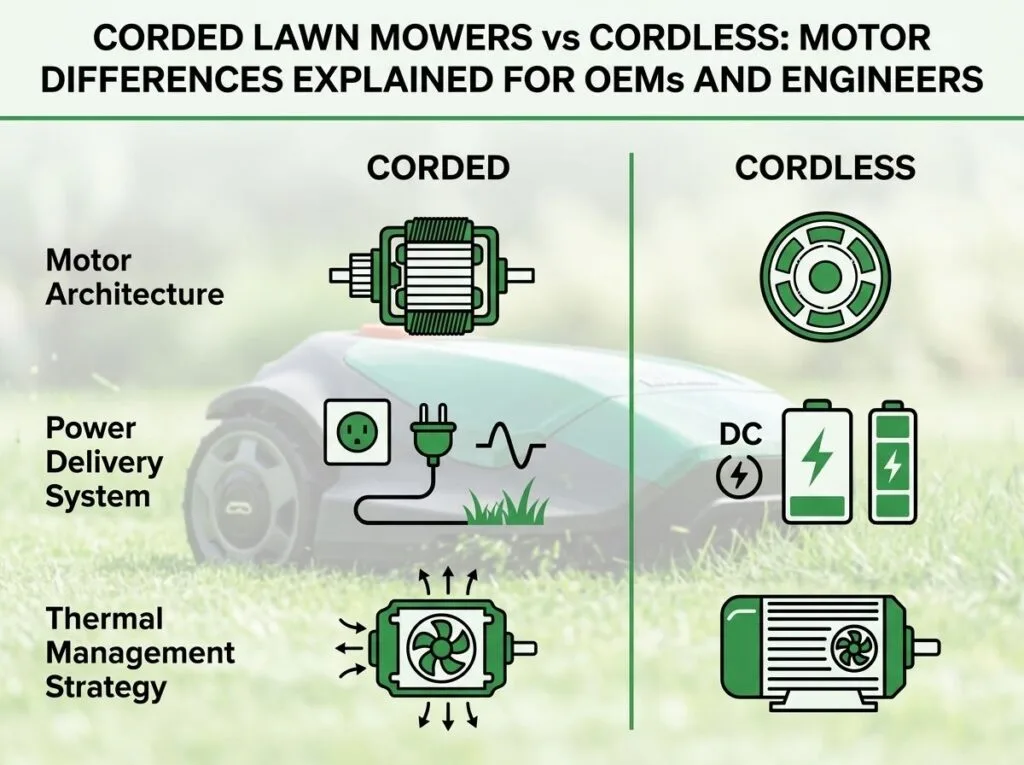
A small city lot, no battery, a fixed motor. Verified buyer reports on this class routinely show 10-plus seasons. The only consumables are the blade, the cord, and the switch.
Lesson: removing the battery removes the weakest link entirely.
Where the Battery Timeline Diverges
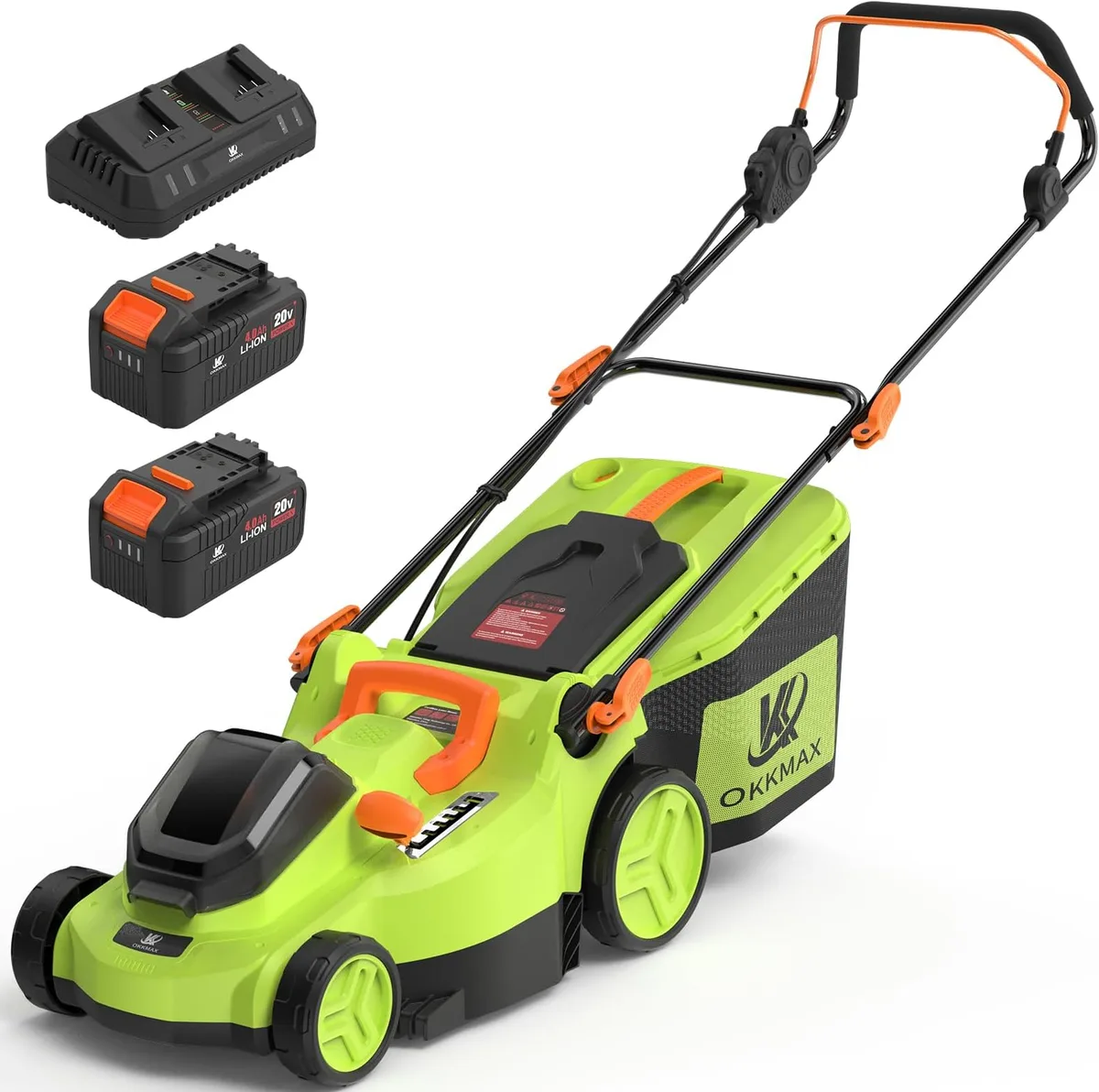
Lithium-ion packs are typically rated for 300 to 500 full cycles to about 80% capacity. A mower cut weekly burns roughly 25 to 30 cycles a season. That math lands most packs at 6 to 8 seasons before they feel spent.
Shallow cycling stretches it out. Aggregate reviews indicate packs kept between 40 and 60% charge outlast those cycled fully empty every run.
Component Lifespans: Where Electric Mowers Actually Die
Here's the breakdown that matters, with realistic service life drawn from manufacturer specs and repair data.
| Component | Realistic service life | Failure signal |
|---|---|---|
| Lithium-ion battery pack | 4 to 8 seasons | Short runtime, slow charge |
| Brushless motor | 10+ seasons | Overheating under load |
| Brushed motor | 1 to 3 seasons | Smoking, stalling |
| Blade | 25 to 50 mowing hours | Torn tips, uneven cut |
| Charger | 4 to 7 seasons | No indicator light |
| Control board | 8 to 12 seasons | Throttle cutout, dead zones |
The battery is the weak link in nearly every case. A sealed pack that can't be replaced sets a hard ceiling on the whole machine.
Brushed motors are the hidden cliff. Carbon brushes typically last 100 to 200 hours. Once they're gone, you need a motor rebuild or a new mower.
The deck and drive system fade quietly. Packed clippings pit steel decks. Drive belts stretch. Both are cheap fixes if you catch them early.
Legacy lead-acid mowers follow a different curve. Sulfation sets in after roughly 300 to 500 cycles. Expect 4 to 7 years, often less.
What Kills Electric Mowers Early
Most short-lived mowers weren't unlucky. They hit one of a handful of predictable mistakes.
Spinning the blade with the battery installed. This is the expensive one. It shears the blade, bends the shaft, and can wreck the motor. Pull the pack first, every time.
Storing a lithium pack empty or full. Empty packs drop below usable charge and refuse to recharge. Packs held at full charge in heat can swell. Aim for 40 to 60%.
Charging below freezing. Lithium-ion charging needs roughly 32°F or warmer. A cold charge is a common reason mowers won't start in spring.
Never cleaning the deck. Packed grass holds moisture against steel and traps acid. Flip the mower over once a year and scrape it out.
Mowing wet or overgrown grass. Wet clippings clog the deck. Overgrowth spikes load hard enough to overheat the motor.
Hitting stones and irrigation heads. A bent blade ruins the cut and shakes the bearings. Walk the lawn for buried lines before the first spring mow.
Buying counterfeit replacement packs. No-name packs swell and fail within a season. Stick with OEM or a reputable platform pack.
Expecting maintenance-free. Electric means no oil and no carburetor. It still means blade care, deck care, and storage discipline.
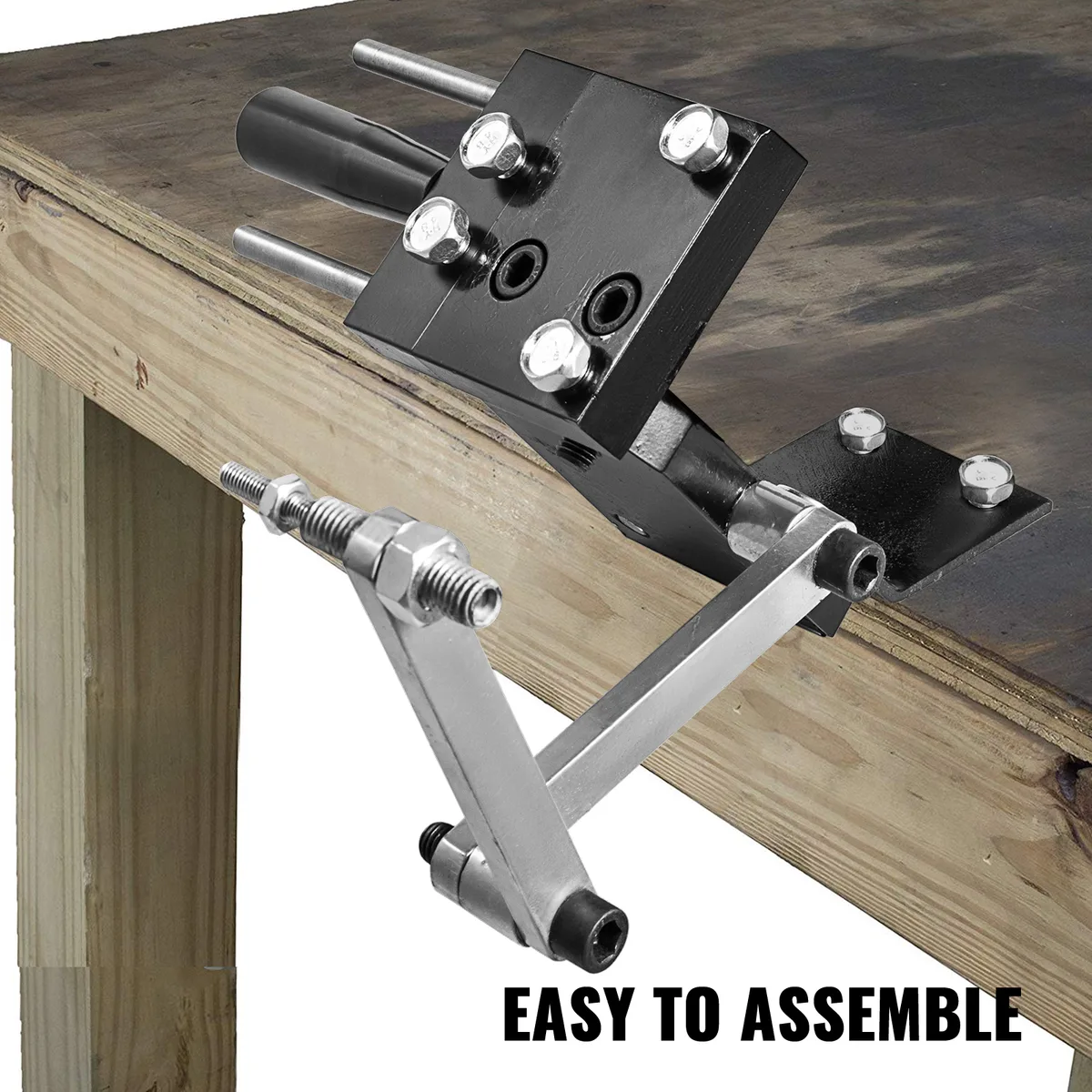
A mower-specific lift makes deck work far easier. Our build-it-yourself lift walkthrough covers the setup.
Maintenance That Buys You Three to Five More Years
Most of the lifespan gap comes down to about ten minutes of work, twice a year.
Store the pack halfway. Aim for 40 to 60% charge in a cool, dry room, off the concrete floor. Top it up monthly during long storage. Safety regulators including UL Solutions and the CPSC both point to heat and long-term full charge as the main drivers of pack swelling.
Sharpen and balance the blade once a year. A dull blade makes the motor work harder for the same cut. Our notes on edge care and blade lube cover the sharpening side, and this angle and balancing guide shows how to check balance on a smaller deck.
Clean under the deck once a season. Flip the mower over, scrape out packed clippings, and look for rust pitting on steel decks.
Clean the terminals. Corroded contacts mimic a dead battery. Scrape them and protect them with dielectric grease.
Keep a spare blade and a spare pack on hand. Blades run $15 to $45. Packs run $120 to $400. That's the cheapest insurance in lawn care.
Repair or Replace: Making the Call
A dead pack is a service ticket, not a death certificate. The math is simple.
| Repair | Typical cost | Worth it when |
|---|---|---|
| New blade | $15 to $45 | Motor runs fine, cut is torn |
| Battery pack | $120 to $400 | Chassis and motor are healthy |
| Charger | $50 to $130 | Pack reads dead after hard use |
| Motor or control board | Rarely worth it | Machine is over 8 years old |
Buy a pack when the chassis is sound. The motor spins freely, the deck is solid, the wheels roll. That's usually the 6-year-old mower situation, and a $200 pack buys six more seasons.
Replace the machine when the motor goes. Control board and motor failures rarely justify parts cost on an aging machine. The owner forum crowd is a good place to get a second read before you spend.
Factor in the gas market. With CARB's small engine phase-out tightening new gas sales in California, used gas mowers hold value longer than electrics do. Our take on that sales ban covers the background.
Read the warranty before you buy parts. Most makers cover the machine 3 to 5 years and the battery 2 to 3 years, often prorated. Read the terms, not the headline.
Storage Habits That Decide Your Battery Timeline
Charge level at rest matters more than anything else. Store lithium packs between 40 and 60%, never empty and never full. A monthly top-up in winter keeps cells from drifting into a deep discharge.
Temperature sets the pace. Manufacturers rate charging between roughly 32°F and 104°F. A pack sitting in a hot garage in July fades faster than one indoors. Southern homeowners feel this most.
Never charge a frozen pack. Cold lithium cells won't accept a charge properly, and forcing it produces a pack that reads full and dies an hour into the lawn.
Keep contacts clean. Corroded terminals cause false dead readings. A wire brush and a light coat of dielectric grease solve most complaints.
When a Second Machine Makes Sense
Buy a second mower past one acre. Two acres on one machine means double the annual hours on the same deck and motor.
A second cordless shares the battery ecosystem. If your mower runs on a platform pack, that pack often fits a blower or trimmer too.
Split the grass when you own a robot. A base station plus a boundary-wire mower handles open yard and tight edges separately.
Skip the sealed-battery machine. If the pack can't be replaced, you've bought a timer. Look for removable packs and published cycle specs.
Frequently Asked Questions
How long does a cordless mower battery last in years?
Most lithium-ion mower packs last 4 to 8 seasons, roughly 4 to 6 years of regular mowing. Rated cycle life is typically 300 to 500 charges to about 80% capacity. Weekly mowing burns25 to 30 cycles a season.
Packs stored between 40 and 60% in cool conditions outlast packs cycled fully.
Is it cheaper to replace the battery or buy a new mower?
Replace the battery when the motor, deck, and wheels are healthy. Packs cost $120 to $400, so you recover years of use for less than a third of a new machine's price. Buy new when the motor or control board fails on an older unit, or when no compatible pack exists.
Integrated sealed packs usually force the replacement.
Why won't my electric mower start after winter?
Cold drops battery voltage below the controller's cut-off threshold, so the mower reads as dead. Warm the pack indoors for an hour before charging, and never charge lithium below about 32°F. If it still won't start, test the charger first, then clean the terminals, then suspect the pack.
Do robotic mowers last longer than cordless ones?
Robotic mowers often outlast cordless models because they log fewer working hours per season. Expect 8 to 15 years on the body. The weak points are drive wheels, gearboxes, and boundary or vision sensors.
Blades still need regular replacement. The trade-off is a higher purchase price and less control over cut timing.
Is a used electric mower worth buying?
Only if the pack is healthy and a replacement is available. Ask for a runtime test on a full charge. Walk away if the pack is sealed and dead, since secondhand electrics drop sharply in value once the battery goes.
Corded used mowers are safer buys because there's no pack to worry about.
How many hours per season should I expect to mow?
Most homeowners log 25 to 50 mowing hours a season. A quarter-acre lot with a 20-inch deck takes about an hour to cut, so weekly spring mowing adds up fast. Two-acre properties with self-propelled models run 80 to 120 hours.
Track your hours with a timer on the charger, since that number predicts lifespan better than any calendar year.
Any of those figures make an electric mower a long-term value. Eight to twelve years works out to a few dollars a year in electricity, with no oil changes and no carburetor work. That's the whole pitch, and it's a good one when you pick a machine with a pack you can replace.

Michael Harris is an experienced woodworker and power tool expert with over 12 years in woodworking. Specializing in functional, high-quality furniture, he offers expert advice on tool selection, maintenance, and sharpening for both beginners and professionals.